Voorbeeld PDF
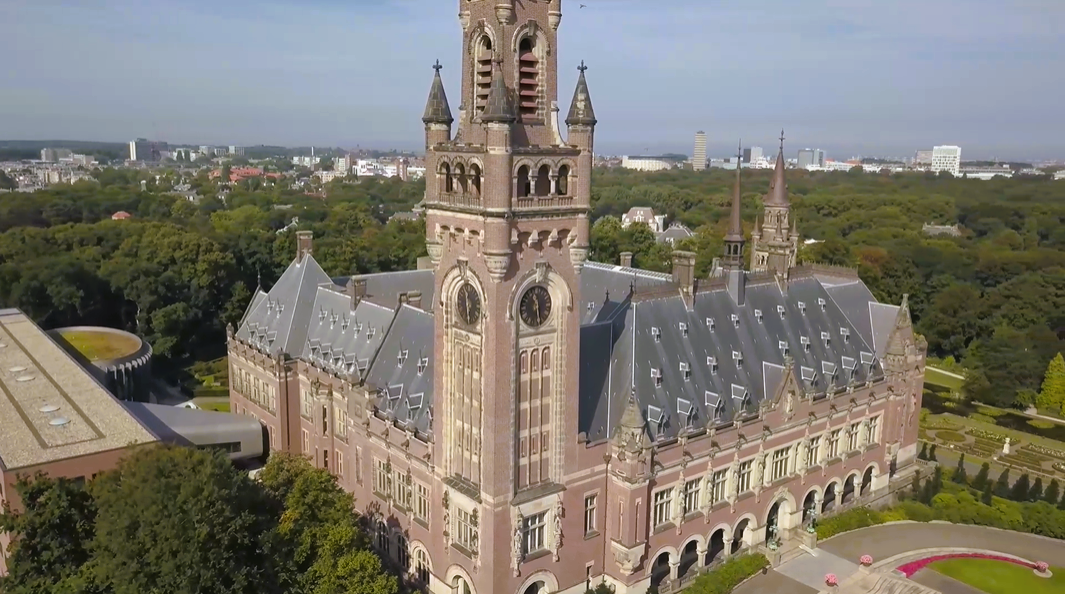


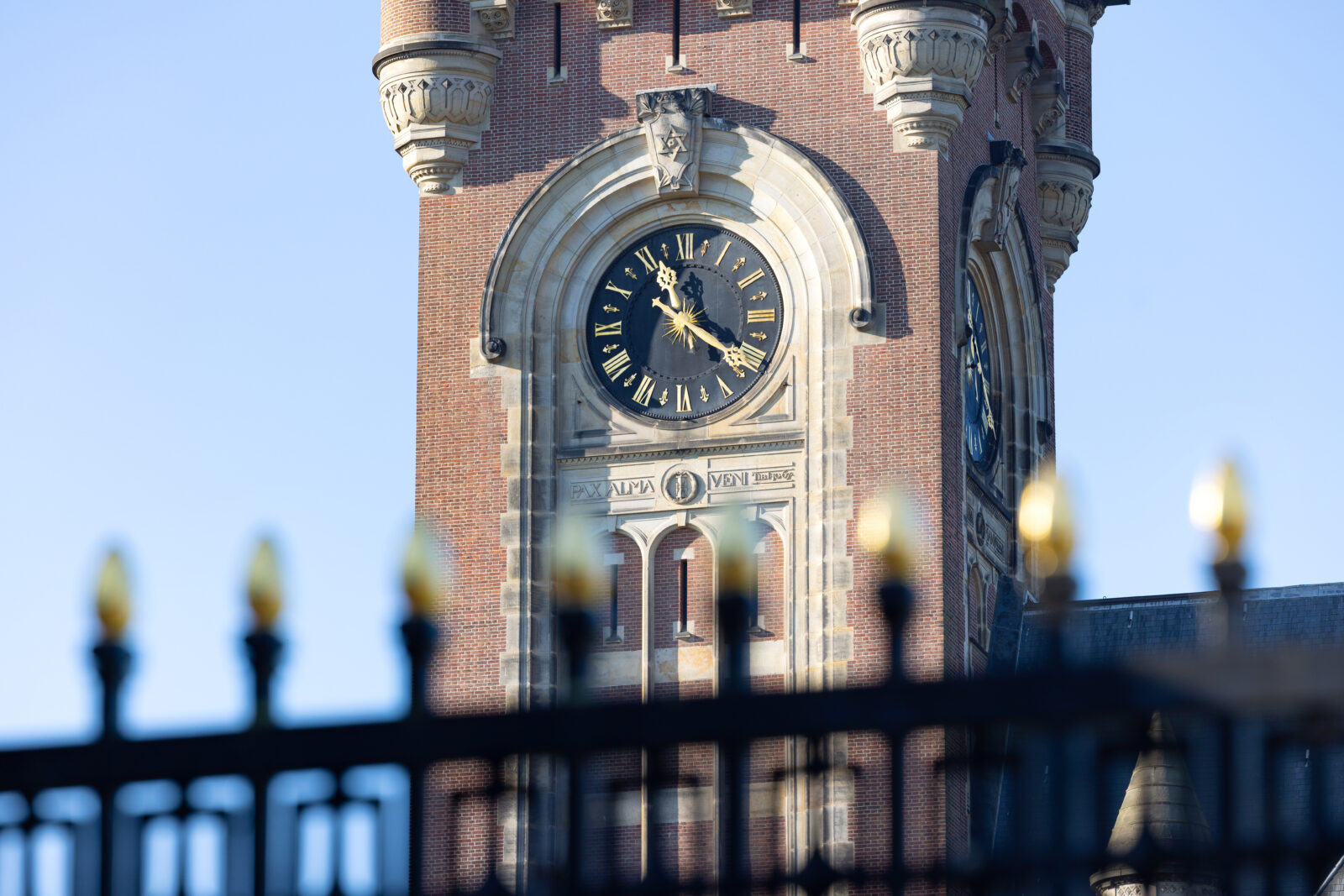

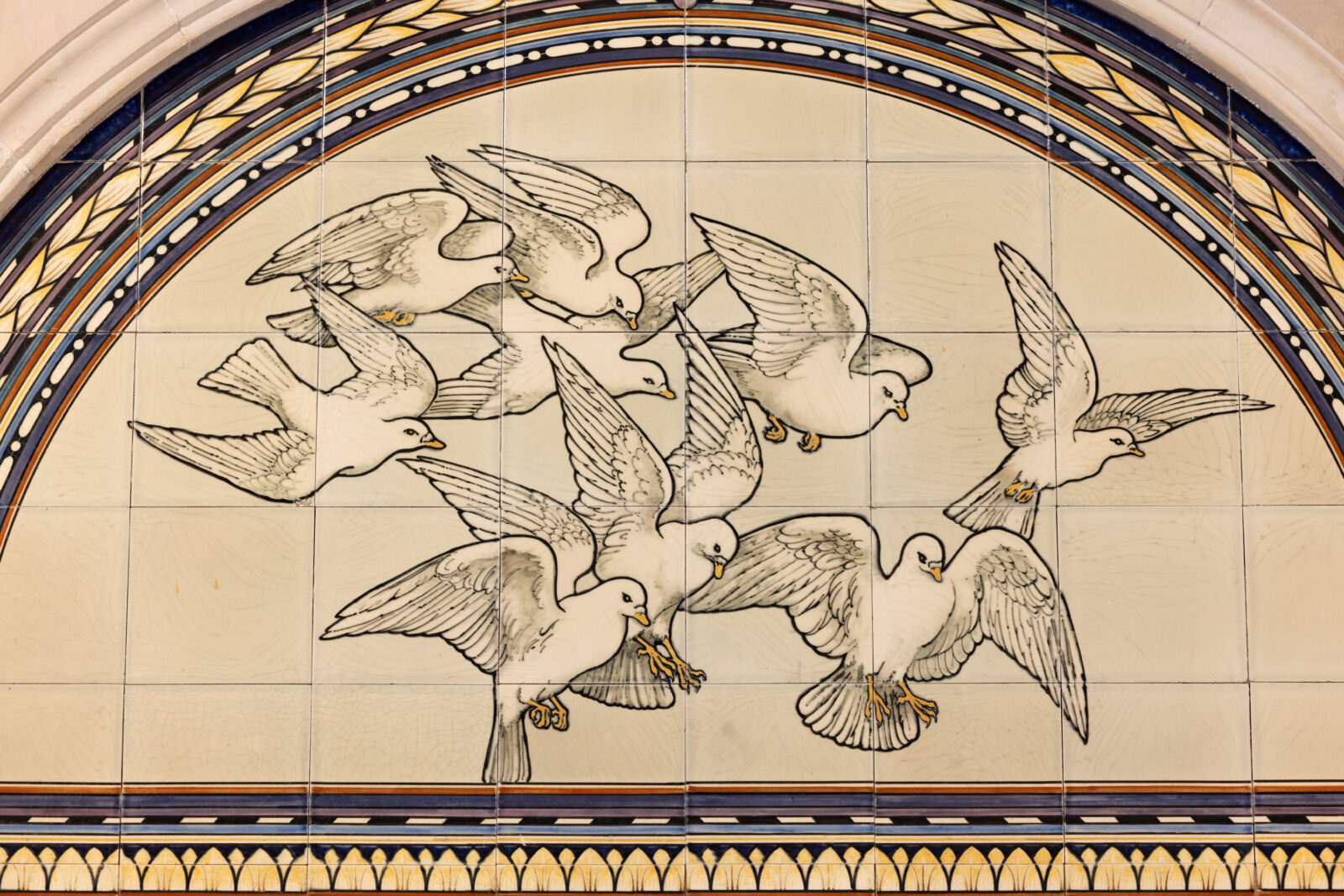


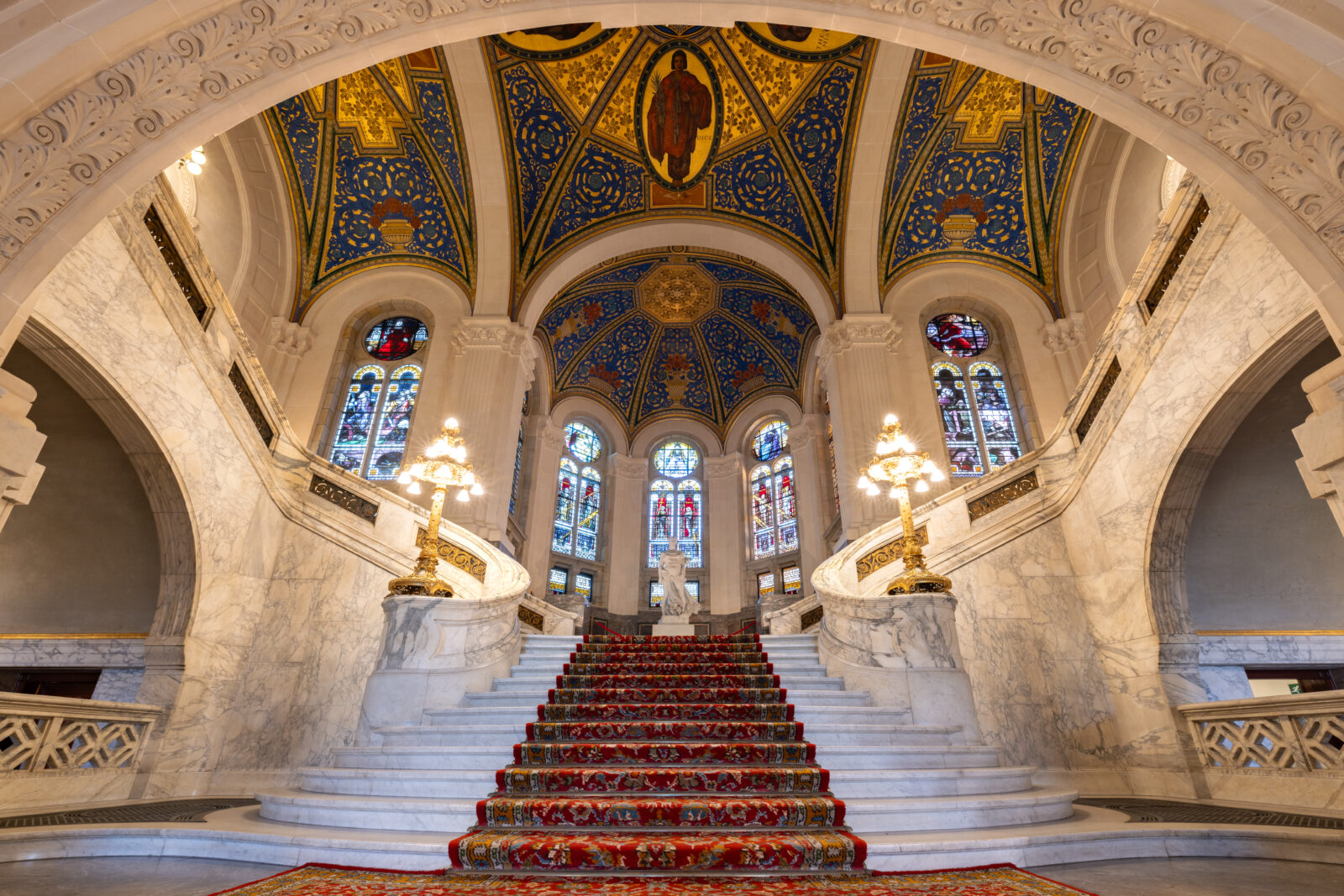


This perspective is reflected in the various institutions housed within the Peace Palace, each contributing to international law in its own unique way. While the Courts resolve conflicts peacefully and deliver justice, the Hague Academy of International Law invests in the diplomats and legal experts of tomorrow through its courses and international expertise. Our library supports the institutions within the Palace, as well as other external international organizations and visitors, with essential international publications and legal literature.
Together, these institutions embody the enduring relevance of the Peace Palace in today’s world. In an era marked by complex global challenges, the Peace Palace continues to serve international cooperation, justice, and the rule of law. It is both our honour and our responsibility to safeguard this unique institution and its legacy. In close collaboration with our partners, we shall continue to uphold the ideals upon which the Peace Palace was founded, ensuring that it remains a source of inspiration and a cornerstone of peaceful conflict resolution for generations to come, faithful to the vision of Andrew Carnegie.
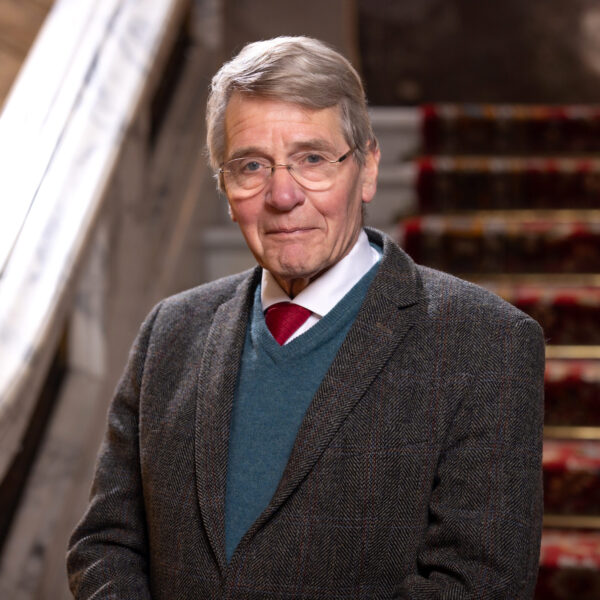
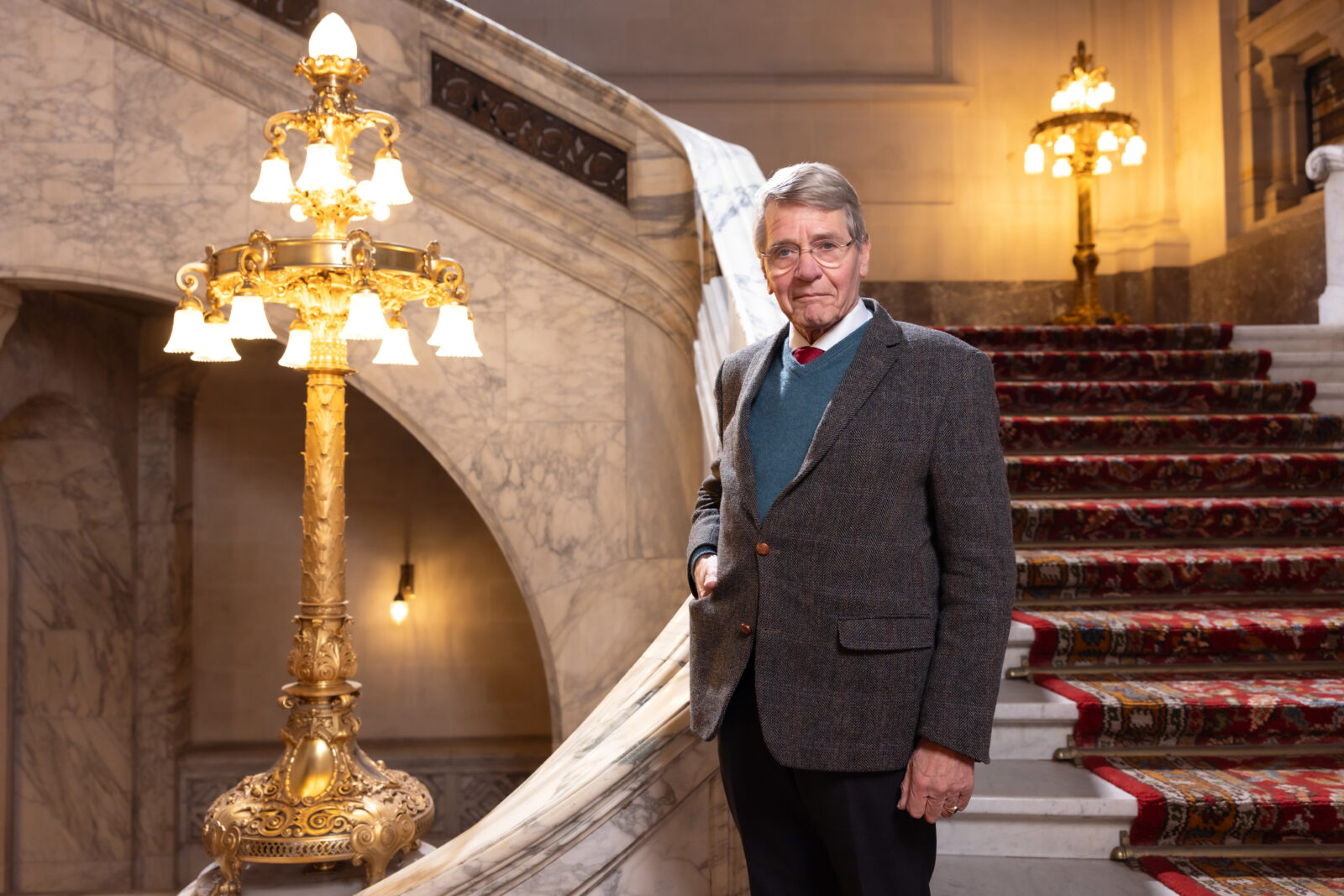
Piet Hein Donner
Chairman Carnegie Foundation – Peace Palace


1
Overview Peace Palace
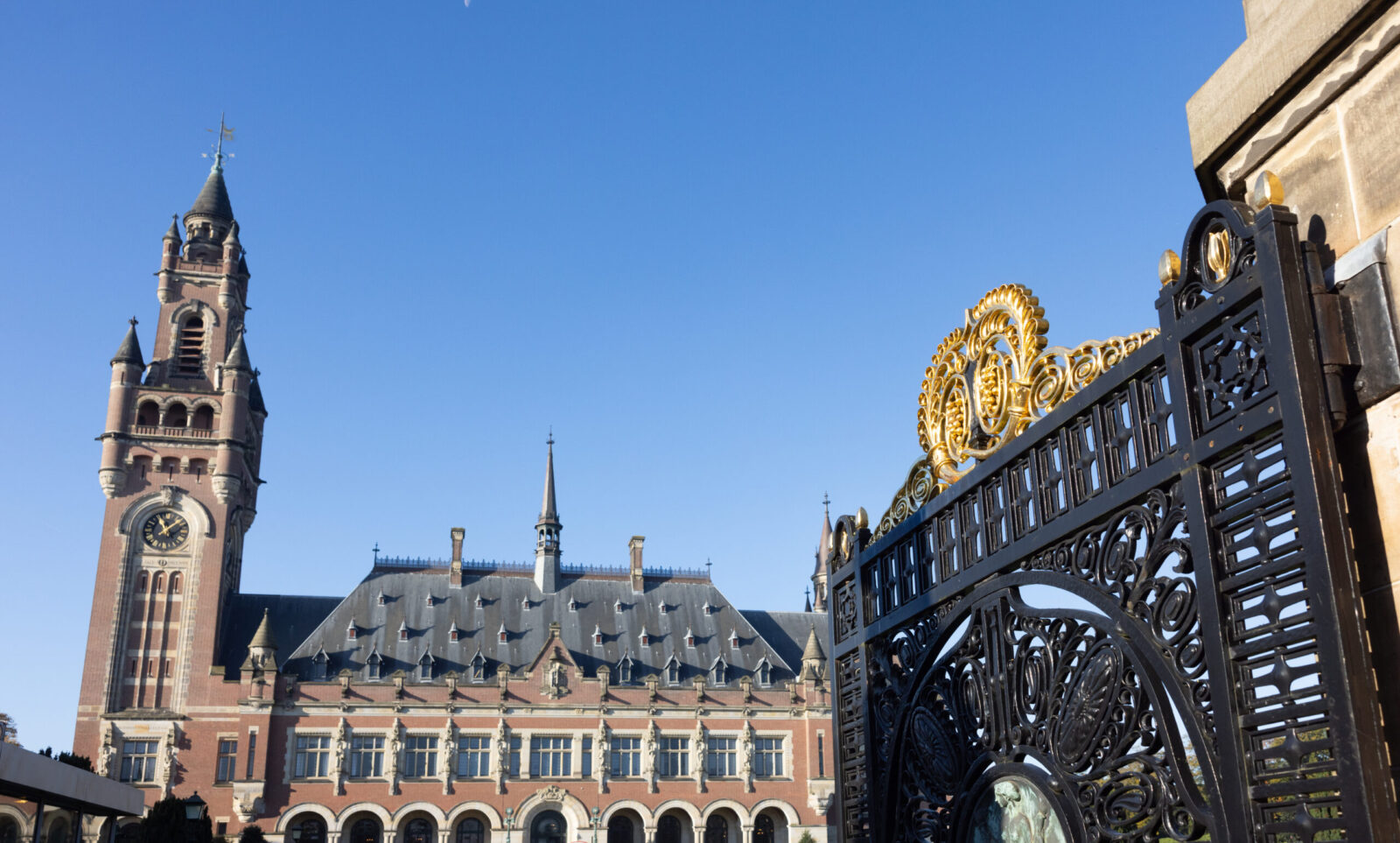
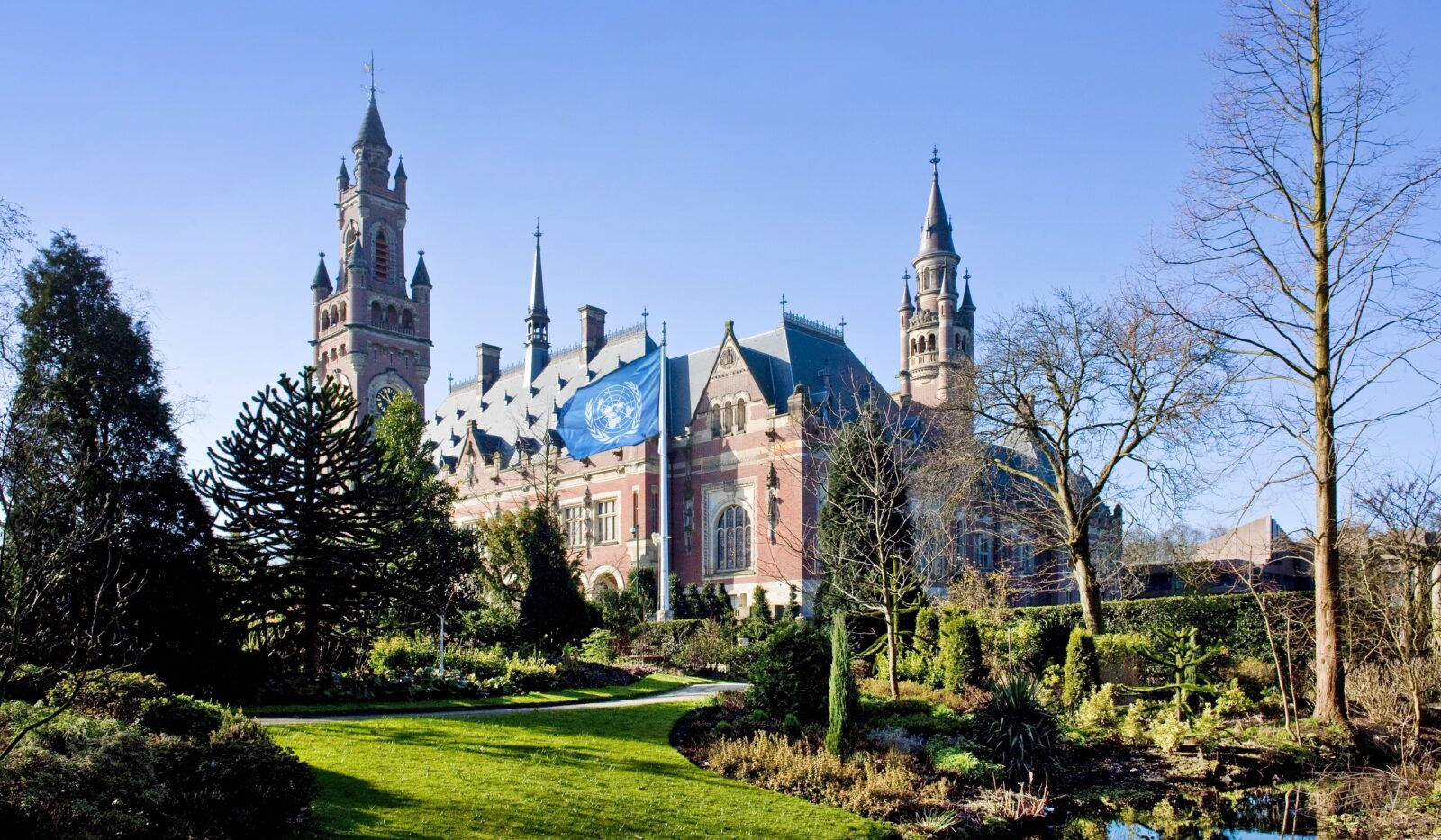
The Peace Palace in The Hague, Netherlands, houses the Permanent Court of Arbitration, the United Nations International Court of Justice and The Hague Academy of International Law. These institutions are supported by the Library of the Peace Palace, one of the most prestigious libraries in its field. The Carnegie Foundation is the owner and manager of the Peace Palace.
The Peace Palace in Numbers



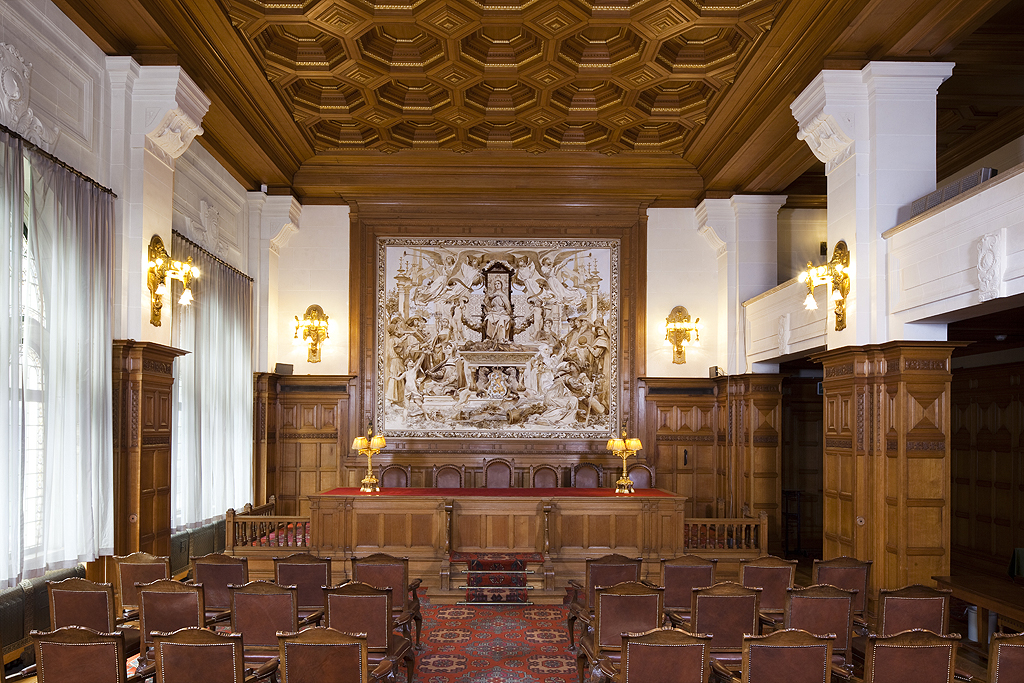

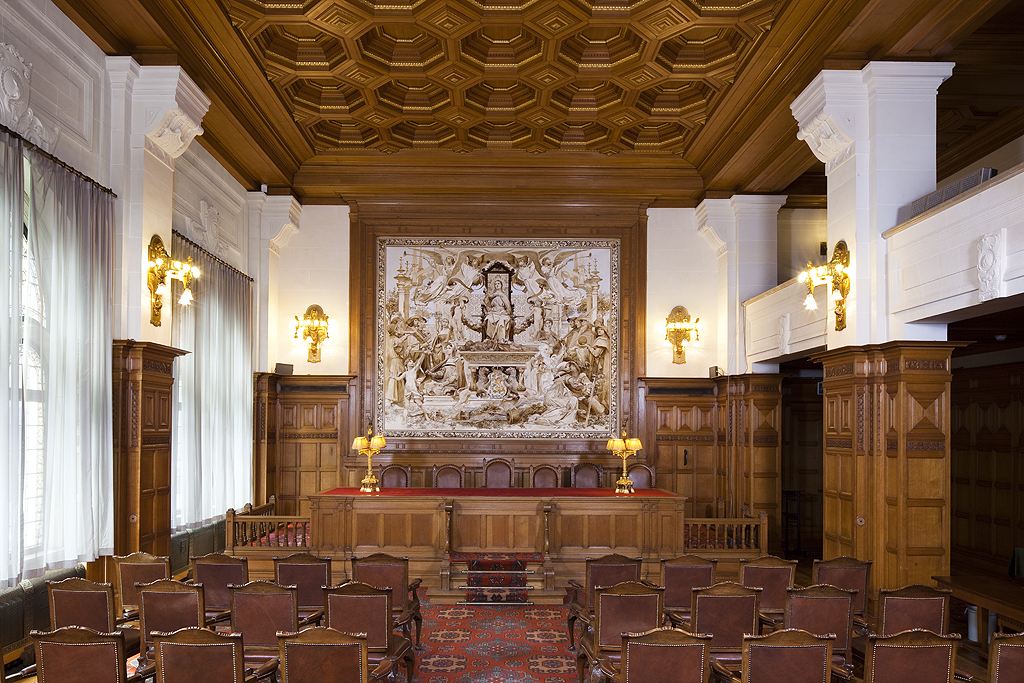

Permanent Court of Arbitration
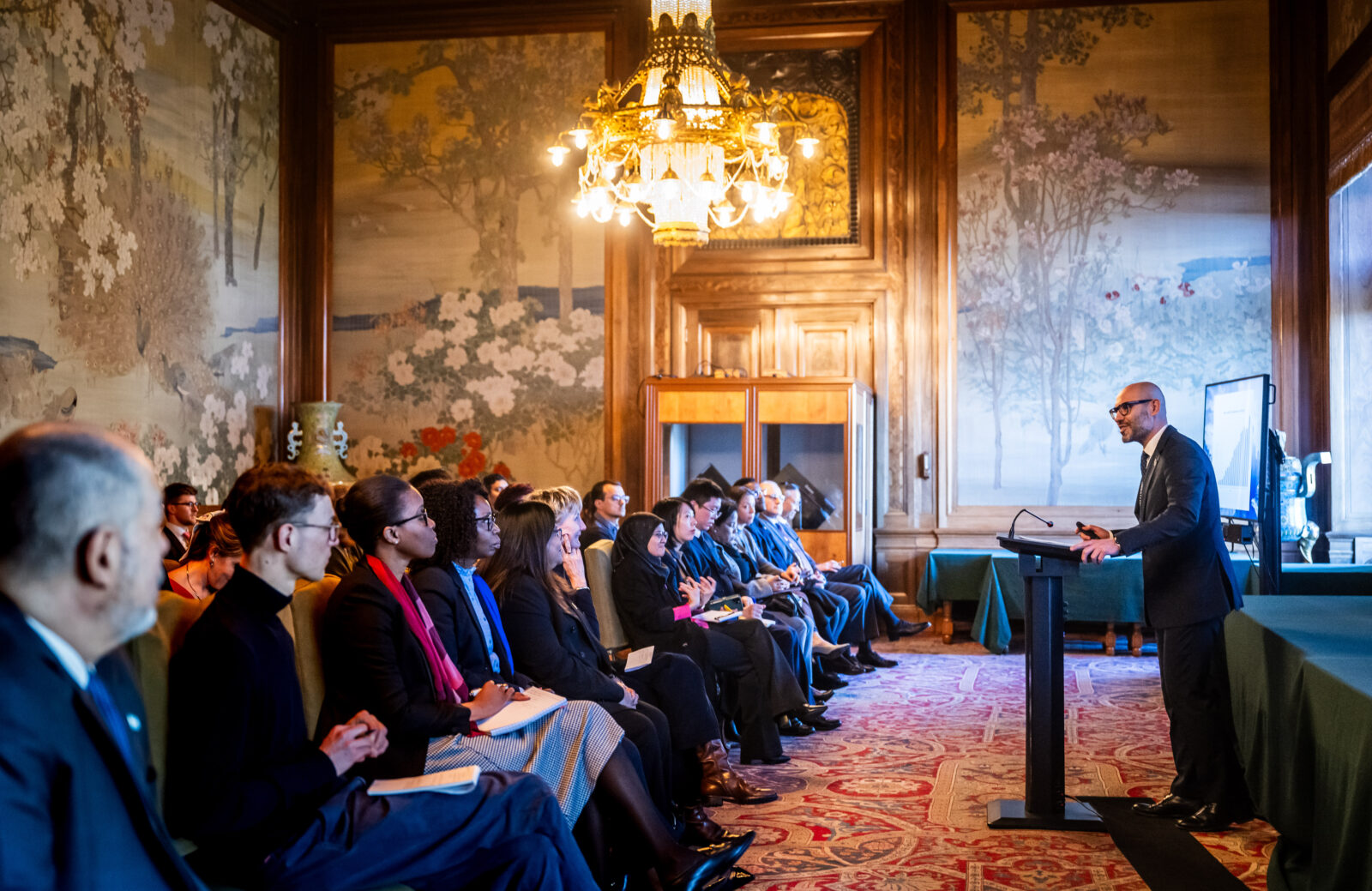
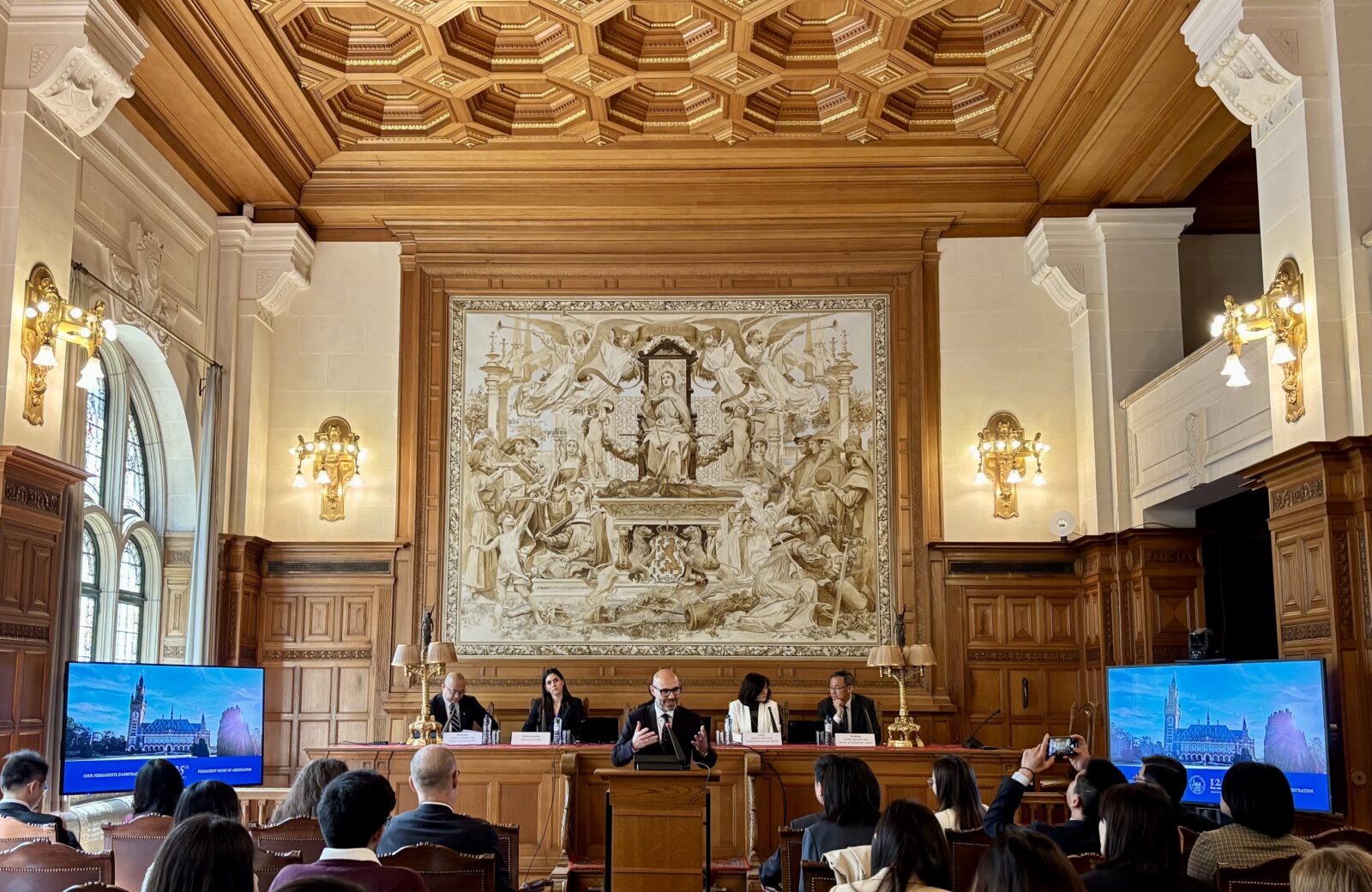
The product of the 1899 Hague Peace Conference, the Permanent Court of Arbitration (PCA), was formally established by the 1899 Convention for the Pacific Settlement of International Disputes. The PCA was the first permanent intergovernmental organization to provide a forum for the resolution of international disputes through arbitration and other peaceful means, such as conciliation and fact-finding. Today, it is an intergovernmental organization with 128 Contracting Parties which provides a variety of dispute resolution services to the international community.
The PCA has a three-part organizational structure consisting of:
An Administrative Council, whose 128 Members act together to provide general guidance and direction to the PCA’s work, and supervise, along with the Secretary-General, the administration, budget, and expenditure of the organization. Pursuant to the PCA’s Founding Conventions, the PCA Administrative Council is composed of “the Diplomatic Representatives of the Signatory Powers accredited to The Hague and of the Netherlands Minister for Foreign Affairs, who will act as President”.
A panel of independent potential arbitrators known as the Members of the Court. Each Contracting Party is entitled to select up to four persons for a renewable six-year term. Parties to a dispute, when appointing arbitrators, as well as the Secretary-General when acting as appointing authority, may choose arbitrators from the list.
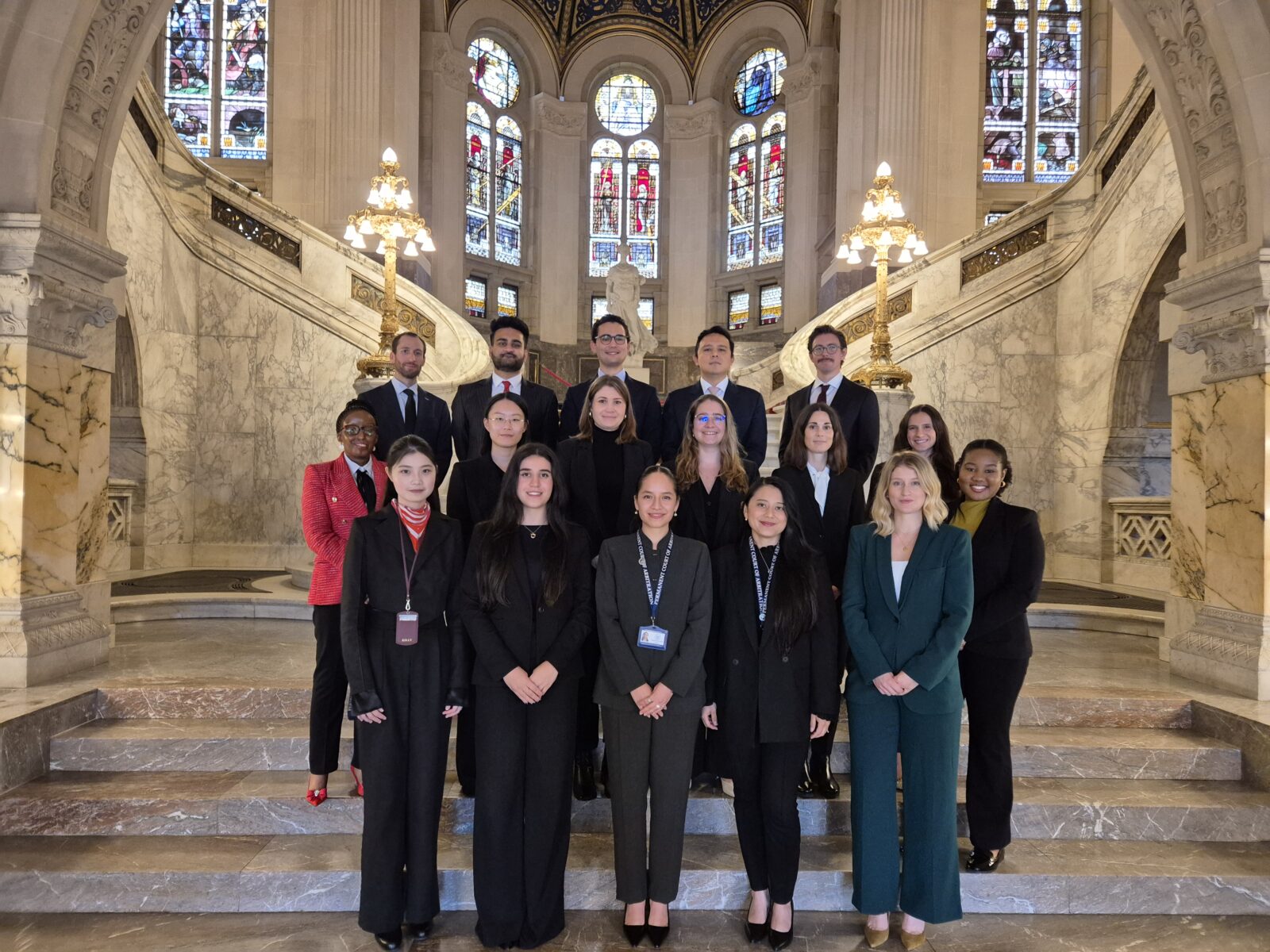
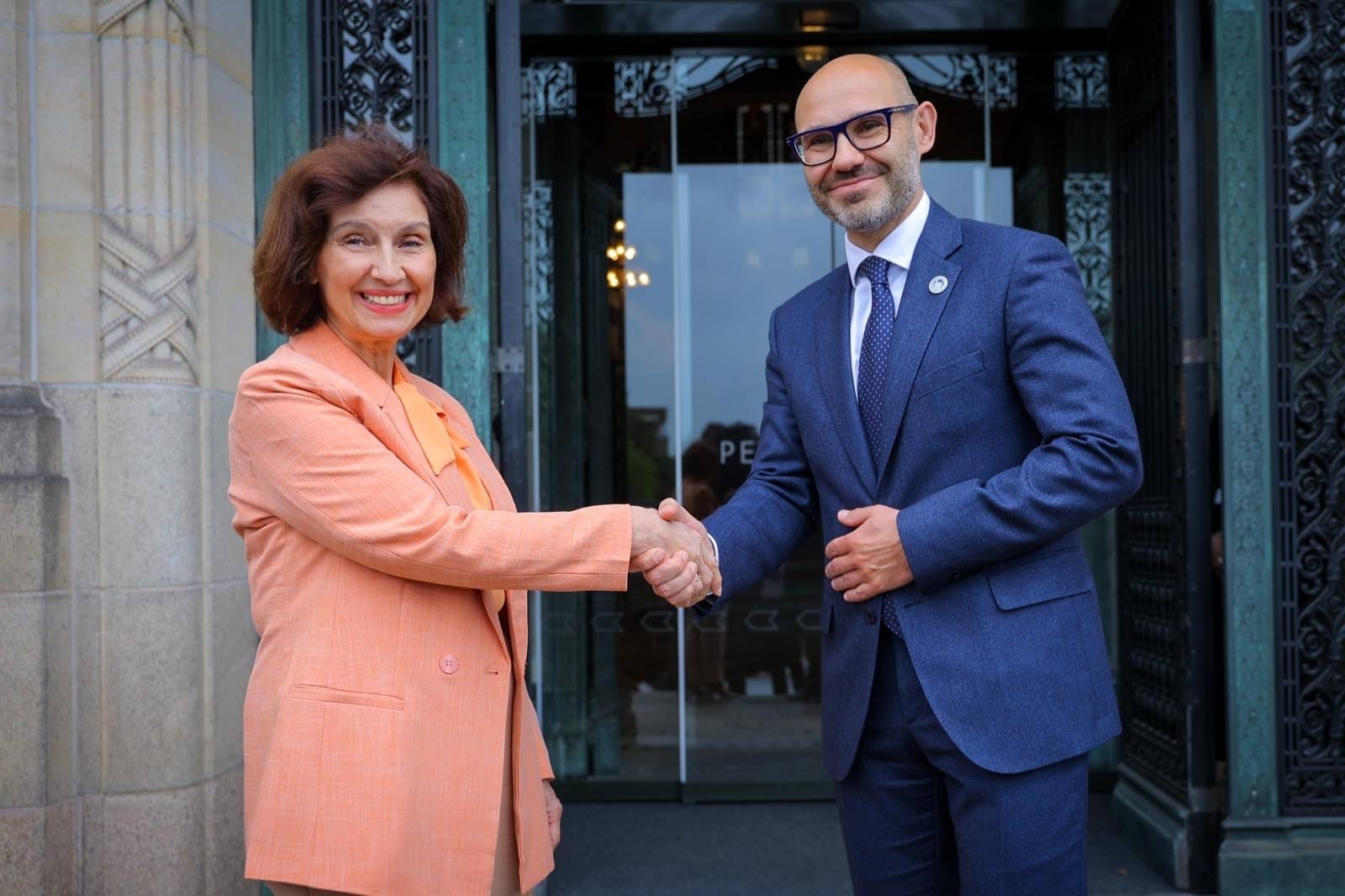
A Secretariat – known as the International Bureau – headed by the Secretary-General, Dr. Hab. Marcin Czepelak. The International Bureau consists of an experienced and diverse team of legal and administrative staff of various nationalities, who collectively speak more than 20 languages, including the six official languages of the United Nations. The primary function of the International Bureau is to provide administrative assistance in respect of arbitration, conciliation, and other dispute resolution proceedings, such as mass claims tribunals. It also services the meetings of the various governance bodies of the organization.
Examples of PCA highlights in 2025
- January 2025: Commemorative Event at the PCA Mauritius Office to mark the 15th Anniversary of the PCA Mauritius Office and the 125th Anniversary of the PCA
- April 2025: The Republic of Armenia becomes the PCA’s 125th Contracting Party
- June 2025: The PCA enters into a Host Country Agreement with the Kingdom of Bahrain
- July 2025: The Republic of Moldova becomes the PCA’s 126th Contracting Party
- October 2025: The PCA enters into a Host Country Agreement with the Republic of Colombia
- December 2025: The Republic of Indonesia accedes to the PCA’s Founding Conventions
Case docket in 2025
In 2025, the PCA provided registry services in 251 cases, 53 of which were initiated that year.
The cases administered by the PCA in 2025 concern a variety of matters. The PCA continues to provide administrative support to inter-State disputes arising out of treaties and other rules of public international law. This past year, the PCA administered inter-State proceedings arising from the Indus Water Treaty, the Energy Charter Treaty, the Bern Convention on the Conservation of European Wildlife and Natural Habitats, and from the United Nations Convention on the Law of the Sea, as well as proceedings under the Trade and Cooperation Agreement between the European Union and the European Atomic Energy Community and the United Kingdom of Great Britain and Northern Ireland and the Agreement between the Government of the Republic of Rwanda and the Government of the United Kingdom of Great Britain and Northern Ireland for the Provision of an Asylum Partnership to Strengthen Shared International Commitments on the Protection of Refugees and Migrants. PCA-administered arbitrations (in particular, mixed arbitrations) in 2025 also covered a wide range of economic sectors, including, inter alia, oil and gas, mining and quarrying, construction, real estate, financial and insurance, electricity and power, telecommunications, agriculture, forestry and fishing, and transportation and storage. Outside of these matters, the PCA also administered proceedings involving various combinations of States, State-related entities, and international organizations.
Examples of cases administered by the PCA include:
Examples of Inter-State proceedings:
- Arbitration Pursuant to the Asylum Partnership Agreement (The Republic of Rwanda v. United Kingdom of Great Britain and Northern Ireland)
- UK-Sandeel (The European Union v. the United Kingdom of Great Britain and Northern Ireland)
- Energy Charter Treaty Arbitration (The Republic of Azerbaijan v. The Republic of Armenia)
- Indus Waters Treaty Arbitration (Pakistan v. India)
- Arbitration pursuant to Article 32 of the Constitution of the Universal Postal Union (The State of Qatar v. The United Arab Emirates)
- Dispute Concerning the Detention of Ukrainian Naval Vessels and Servicemen (Ukraine v. The Russian Federation)
Examples of Investor-State arbitrations:
- Deutsche Lufthansa AG (Germany) v. The Bolivarian Republic of Venezuela
- Nord Stream 2 AG (Switzerland) v. The European Union
- (1) Chevron Corporation and (2) Texaco Petroleum Company (U.S.A) v. The Republic of Ecuador
Examples of other cases:
- J.P. Beemsterboer Food Traders B.V. (Netherlands) v. Caribbean Grain Srl (Dominican Republic)
- (1) Crescent Petroleum Company International Limited (U.A.E) and (2) Crescent Gas Corporation Limited v. National Iranian Oil Company (Iran)
Examples of Inter-State proceedings:
- Arbitration Pursuant to the Asylum Partnership Agreement (The Republic of Rwanda v. United Kingdom of Great Britain and Northern Ireland)
- UK-Sandeel (The European Union v. the United Kingdom of Great Britain and Northern Ireland)
- Energy Charter Treaty Arbitration (The Republic of Azerbaijan v. The Republic of Armenia)
- Indus Waters Treaty Arbitration (Pakistan v. India)
- Arbitration pursuant to Article 32 of the Constitution of the Universal Postal Union (The State of Qatar v. The United Arab Emirates)
- Dispute Concerning the Detention of Ukrainian Naval Vessels and Servicemen (Ukraine v. The Russian Federation)
Examples of Investor-State arbitrations:
- Deutsche Lufthansa AG (Germany) v. The Bolivarian Republic of Venezuela
- Nord Stream 2 AG (Switzerland) v. The European Union
- (1) Chevron Corporation and (2) Texaco Petroleum Company (U.S.A) v. The Republic of Ecuador
Examples of other cases:
- J.P. Beemsterboer Food Traders B.V. (Netherlands) v. Caribbean Grain Srl (Dominican Republic)
- (1) Crescent Petroleum Company International Limited (U.A.E) and (2) Crescent Gas Corporation Limited v. National Iranian Oil Company (Iran)
In addition to its registry services, the PCA handled 51 requests related to its appointing authority services under the Arbitration Rules of the United Nations Commission on International Trade Law (UNCITRAL).
Source: www.pca-cpa.org (externe link)
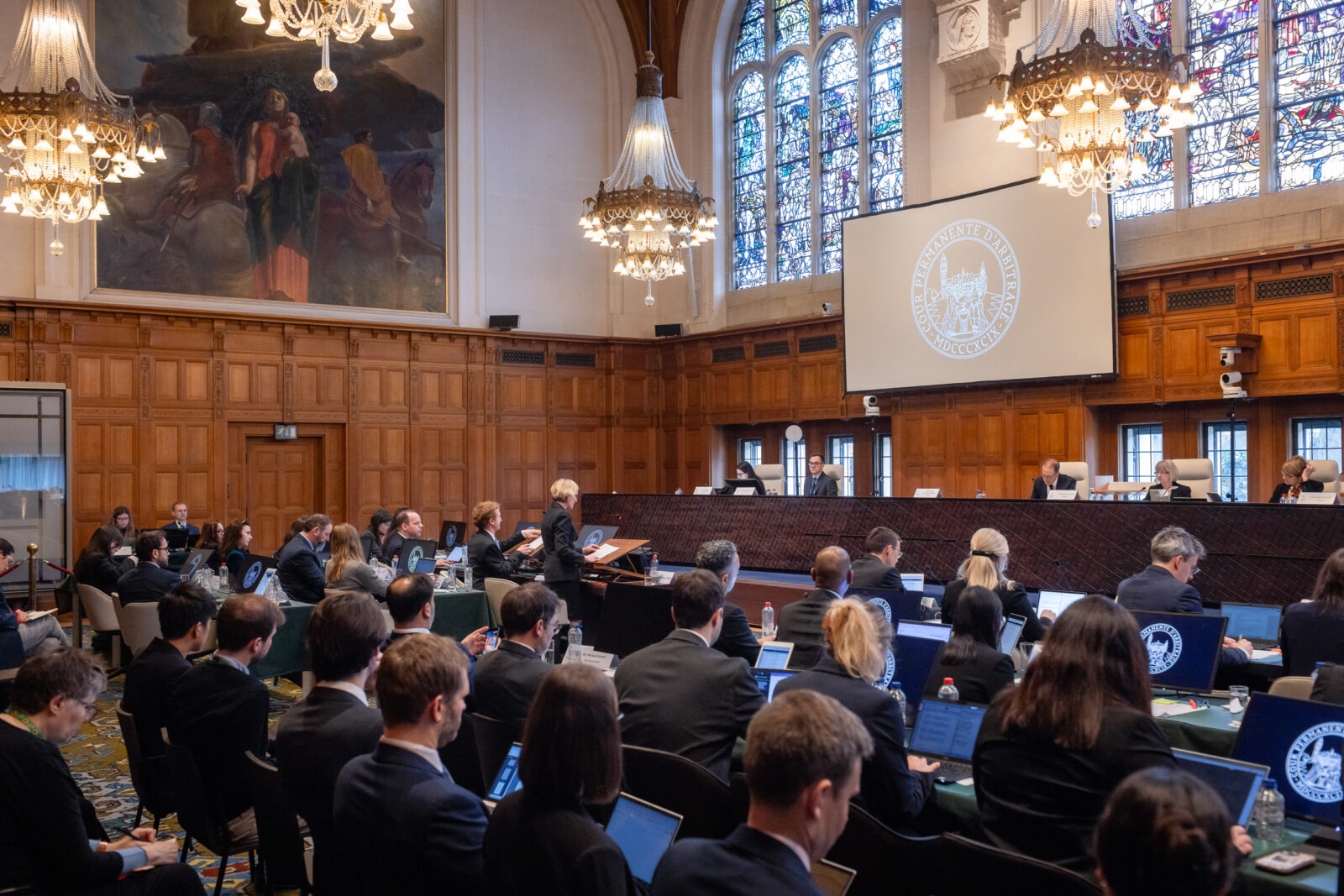





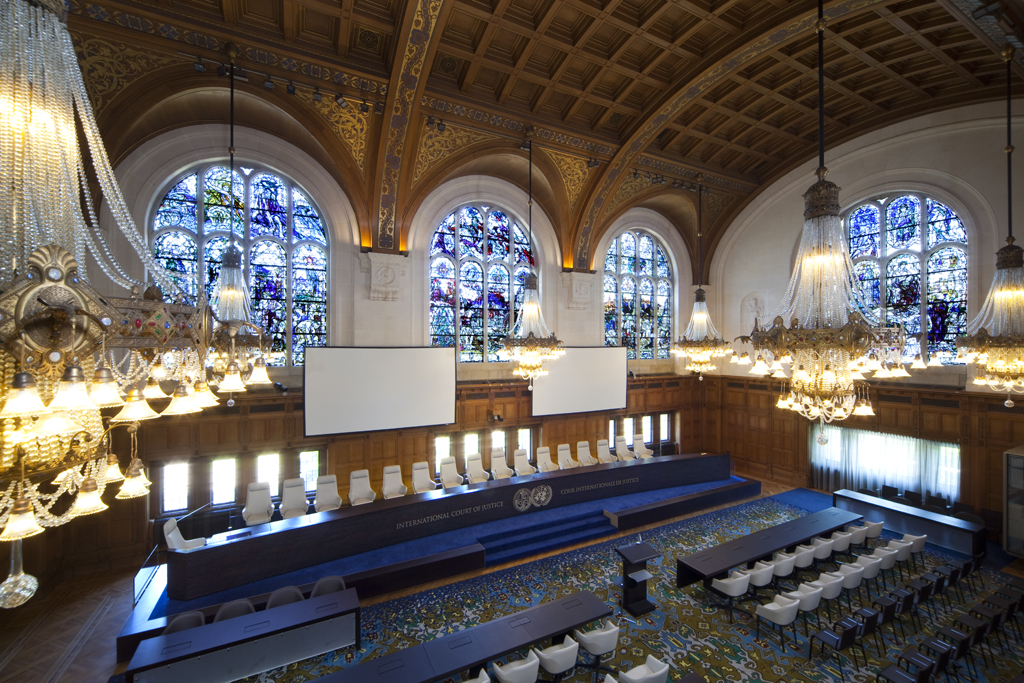

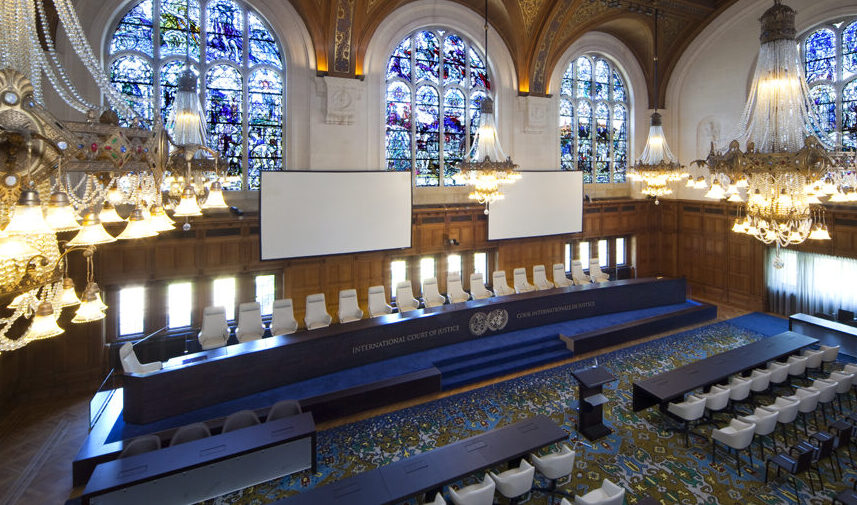

International Court of Justice (ICJ)
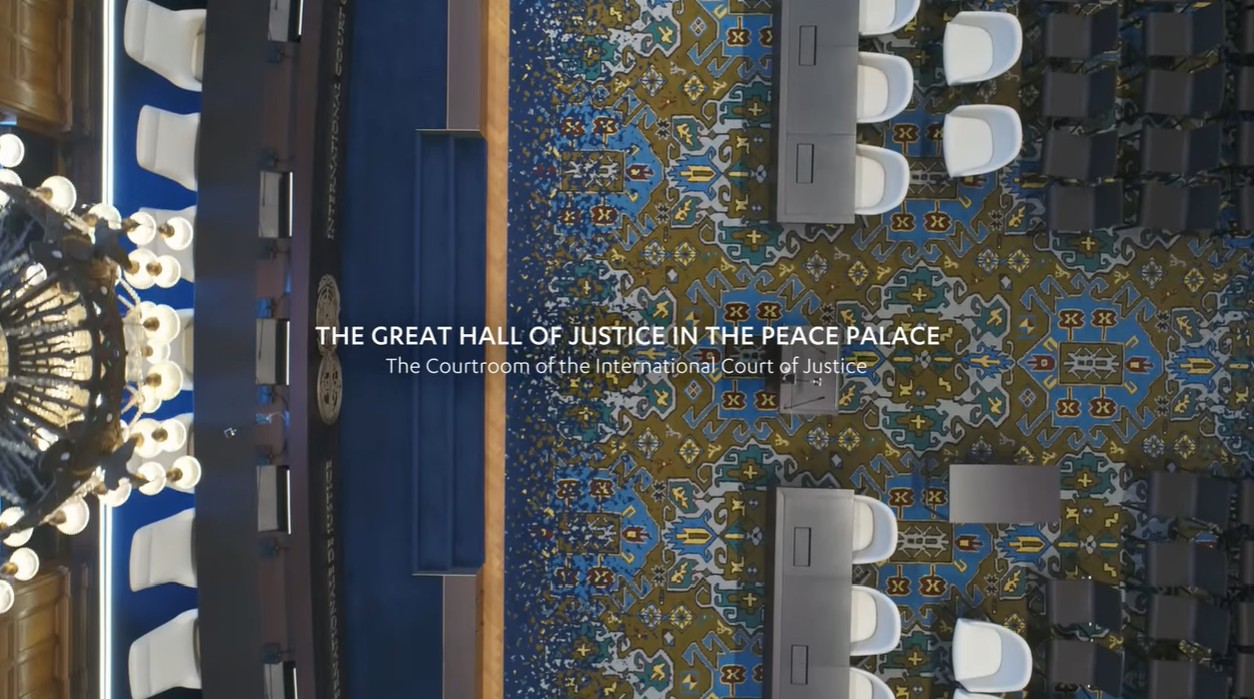
The International Court of Justice (ICJ) is the principal judicial organ of the United Nations and was established by the United Nations Charter in June 1945. It held its inaugural sitting on 18 April 1946. Its main task is to settle, in accordance with international law, legal disputes submitted to it by States (contentious jurisdiction). In addition, it may give advisory opinions on legal questions referred to it by authorized United Nations organs and specialized agencies (advisory jurisdiction).
As at 31 December 2025, 201 cases have been registered on the Court’s General List (including 170 contentious cases and 31 advisory proceedings).
Jurisdiction
For an overview of the Court’s contentious and advisory jurisdiction, please consult the Jurisdiction (externe link, opent in nieuw tabblad) section of the Court’s website.
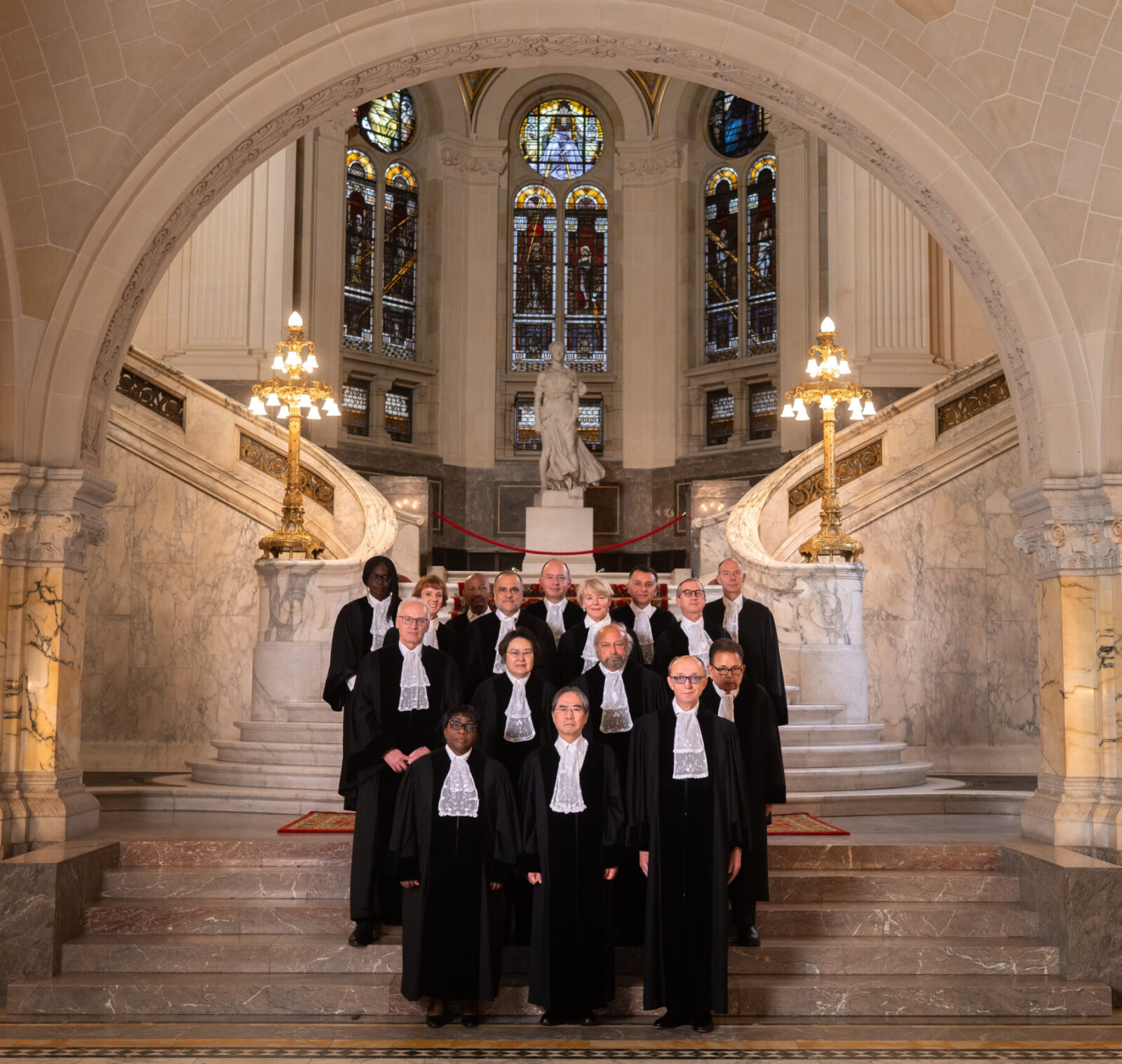

Judicial Activity in 2025
In 2025, the Court held five sets of public hearings (in chronological order):
- In the case concerning Application of the Convention on the Prevention and Punishment of the Crime of Genocide in Sudan (Sudan United Arab Emirates), hearings on a request for the indication of provisional measures submitted by Sudan were held on 10 April 2025;
- In the advisory proceedings on the Obligations of Israel in relation to the Presence and Activities of the United Nations, Other International Organizations and Third States in and in relation to the Occupied Palestinian Territory, hearings were held from 28 April to 2 May 2025;
- In the case concerning the Request relating to the Return of Property Confiscated in Criminal Proceedings (Equatorial Guinea France), hearings on a request for the indication of provisional measures submitted by Equatorial Guinea were held on 15 July 2025;
- In the advisory proceedings concerning the Right to Strike under ILO Convention No. 87, hearings were held from 6 to 8 October 2025;
- In the case concerning Sovereignty over the Sapodilla Cayes/Cayos Zapotillos (Belize Honduras), hearings on Guatemala’s Application for permission to intervene in the case were held from 24 to 26 November 2025.
During the same period, the Court also handed down one Judgment and two Advisory Opinions (in chronological order):
- In the case concerning Land and Maritime Delimitation and Sovereignty over Islands (Gabon/Equatorial Guinea), Judgment on the merits delivered on 19 May 2025;
- In the advisory proceedings on the Obligations of States in respect of Climate Change, Advisory Opinion delivered on 23 July 2025;
- In the advisory proceedings on the Obligations of Israel in relation to the Presence and Activities of the United Nations, Other International Organizations and Third States in and in relation to the Occupied Palestinian Territory, Advisory Opinion delivered on 22 October 2025.
In 2025, the Court was seized of the following five contentious cases:
- Application of the Convention on the Prevention and Punishment of the Crime of Genocide in Sudan (Sudan United Arab Emirates);
- Appeal relating to the Jurisdiction of the ICAO Council under Article 84 of the Convention on International Civil Aviation (Islamic Republic of Iran Canada, Sweden, Ukraine and United Kingdom);
- Kohler and Paris (France Islamic Republic of Iran);
- Alleged Smuggling of Migrants (Lithuania Belarus);
- Appeal from the ICAO Council decision dated 30 June 2025 (Russian FederationAustralia and Netherlands).
As at 31 December 2025, the number of cases entered in the Court’s General List stood at 24. Of those cases, 23 were contentious.
The list of cases pending before the Court is available on the Court’s website under Cases (externe link, opent in nieuw tabblad), Pending cases (externe link, opent in nieuw tabblad).


The Hague Academy of International Law
Regular Activities



Other Activities
Competitions
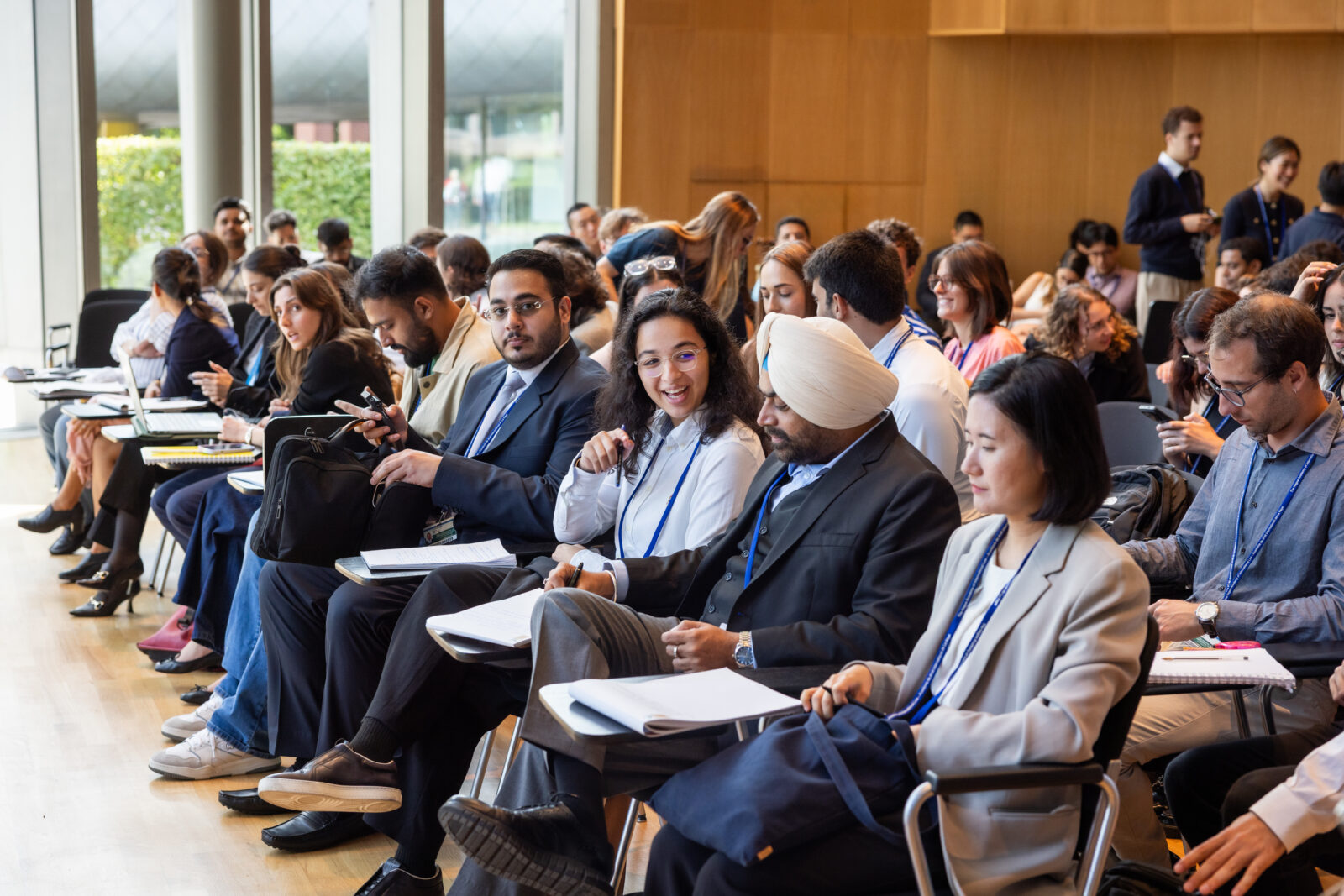
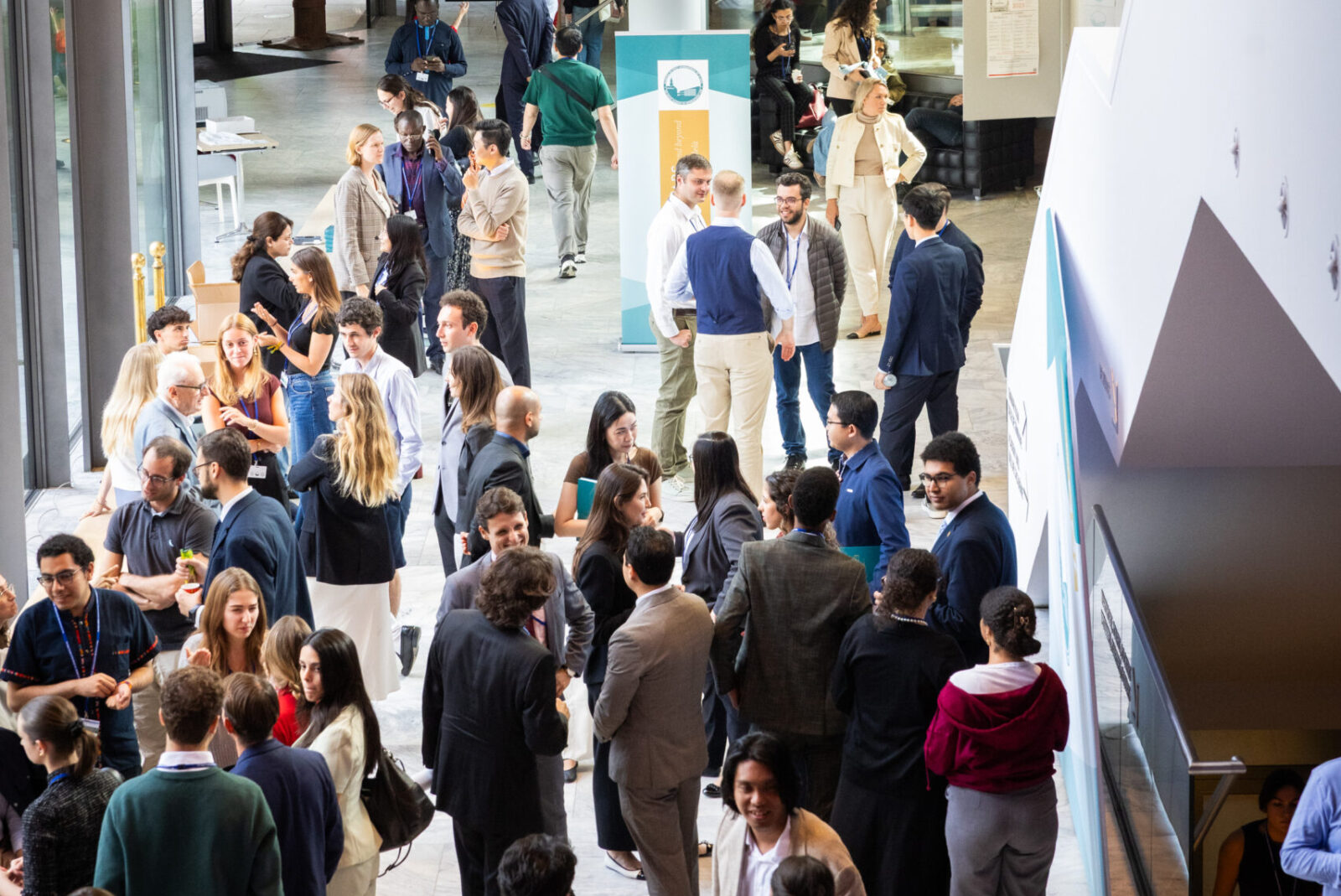
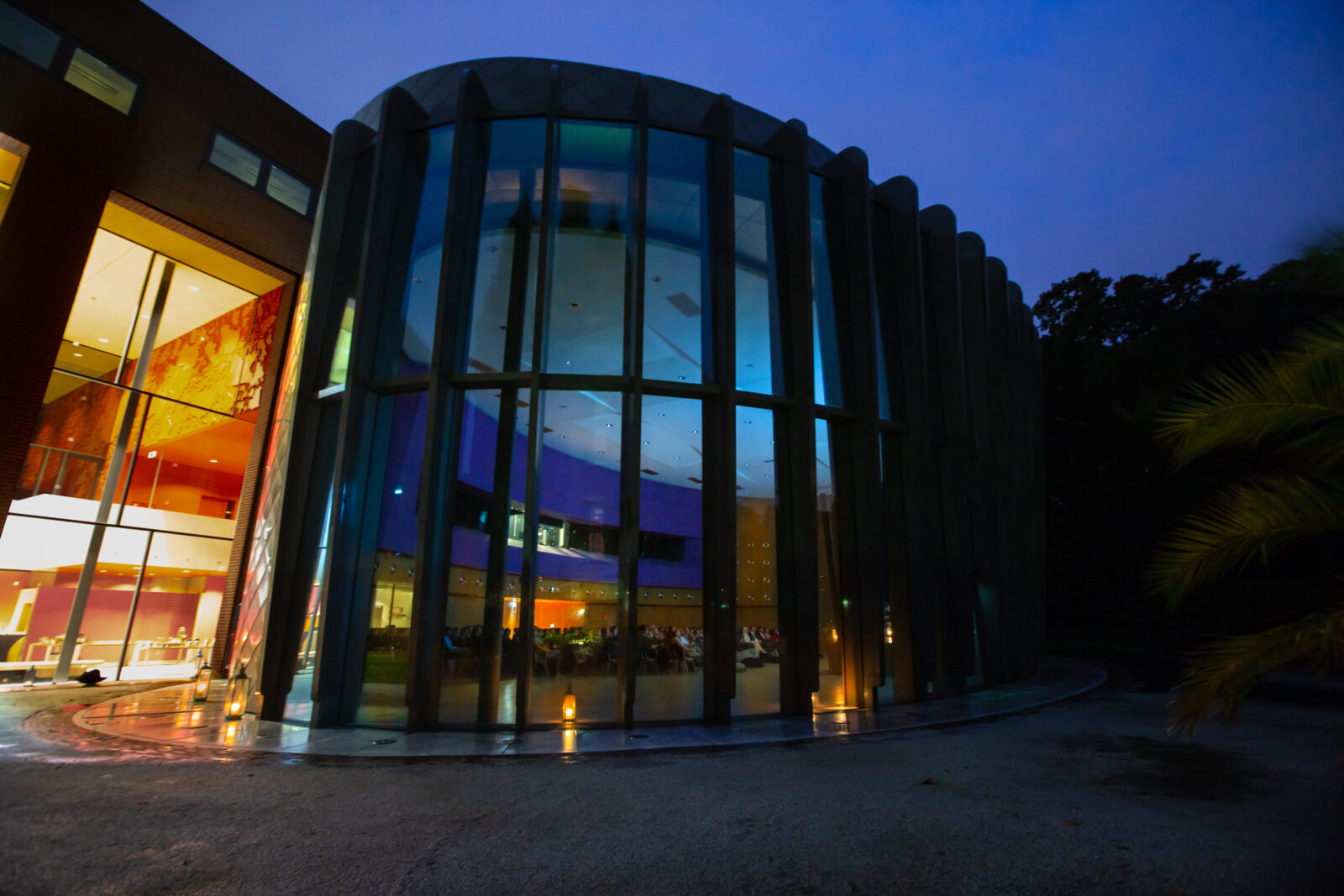
The Academy continued to organise its competitions in international law and practice, providing participants with a unique opportunity to apply theoretical knowledge in simulated professional environments.
The fifth edition of the “Day of Crisis” Competition was held on 9 and 10 May 2025 in The Hague. Over the course of twenty-four hours, twelve selected teams from leading universities engaged in an intensive simulation of a complex international crisis. Participants were required to address a broad range of legal issues by drafting opinions, negotiating agreements, and developing diplomatic strategies. The 2025 scenario focused in particular on the exploitation of natural resources, environmental degradation, human rights violations, and international crimes, culminating in a final negotiation on a multilateral agreement relating to plastic pollution.
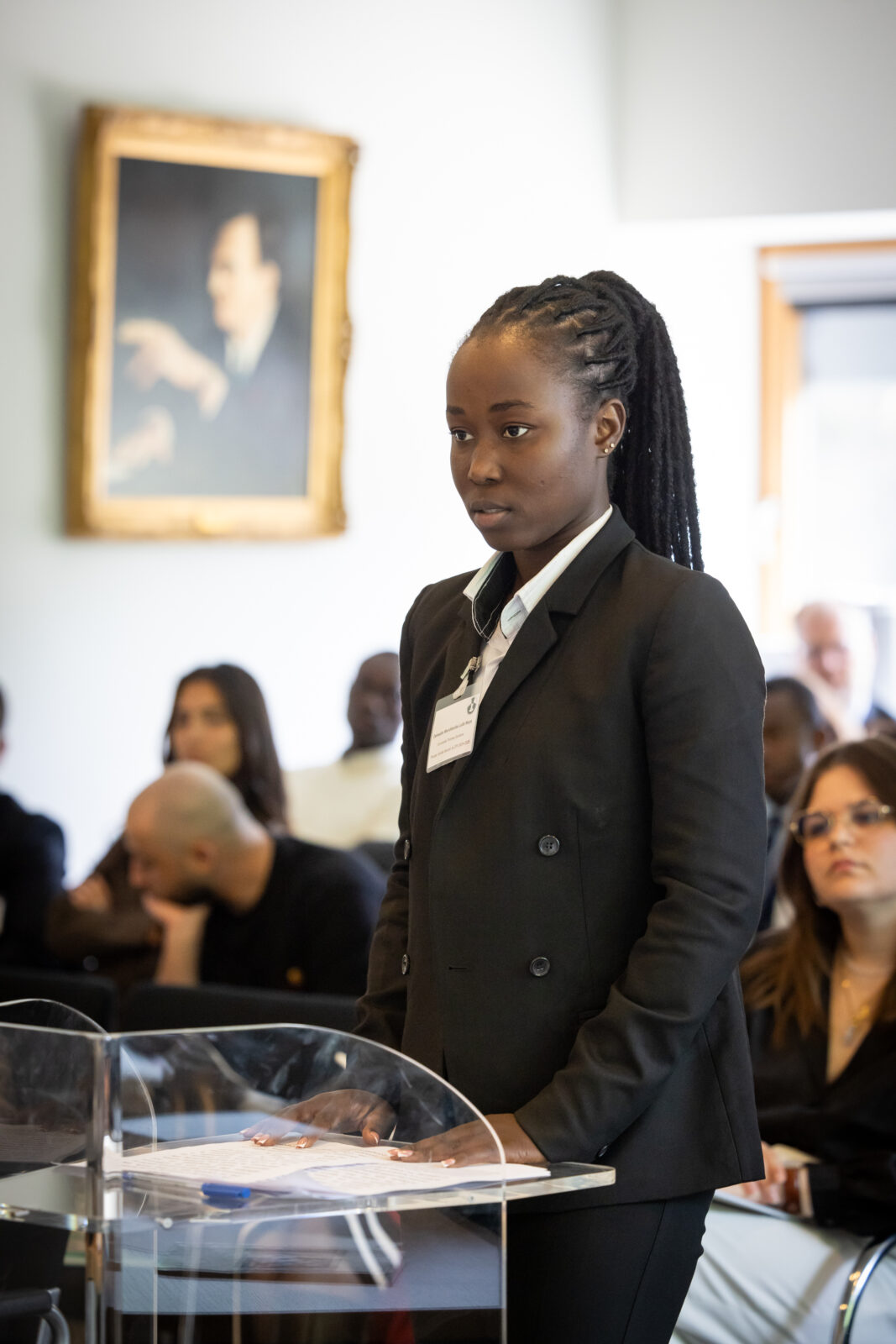
The fourth edition of the Moot Court Competition before the International Criminal Court (French language) took place from 19 to 22 May 2025 at the Peace Palace. Following a written phase, ten teams from five countries were selected to participate in the oral rounds. The final hearing was held in a courtroom setting before professionals of international criminal justice. The competition was won by Aix-Marseille University, and the prize for Best Speaker was awarded to a participant from Thomas Sankara University.


External programme
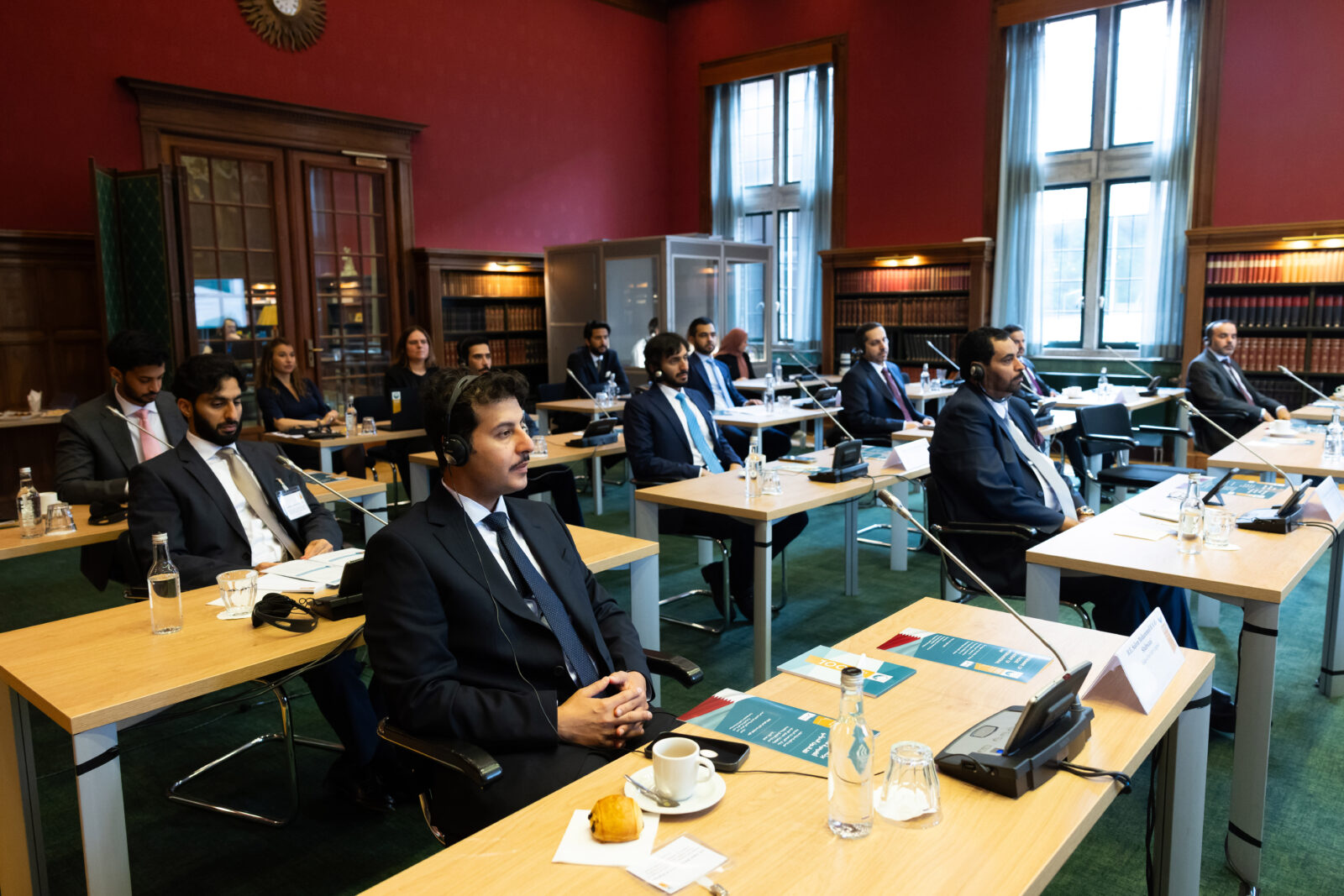
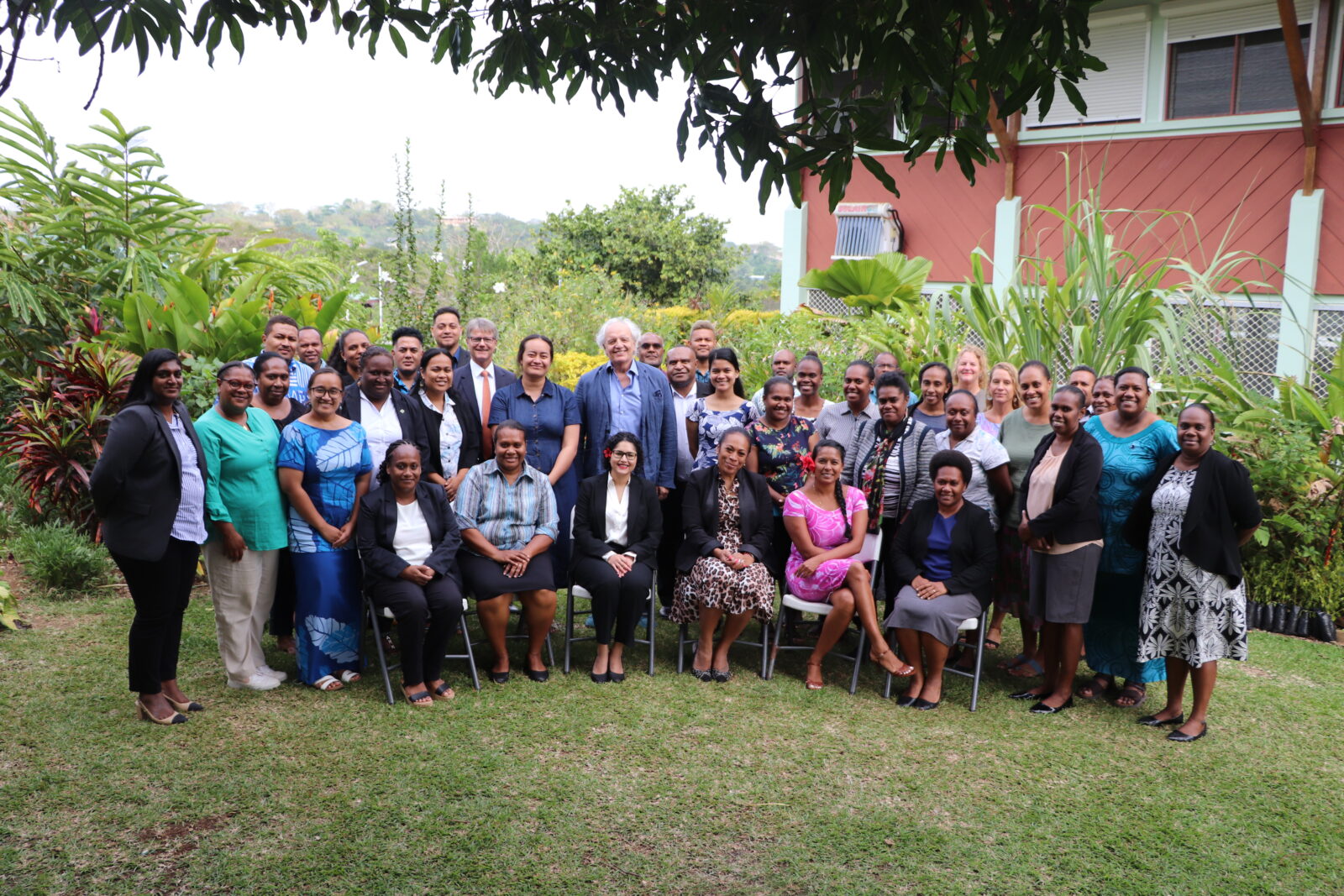
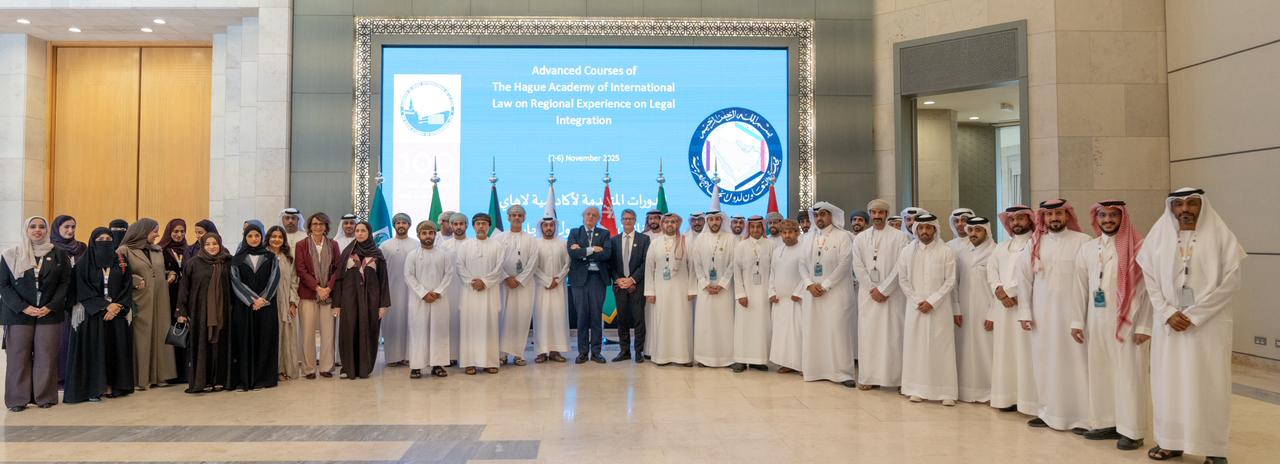
In 2025, the Academy organised an External Programme in Port Vila, Vanuatu, from 3 to 10 October 2025. This programme focused on the theme of International Law, Climate Change and Climate Justice: Successes and Challenges, and brought together participants from the Pacific region. The courses addressed major contemporary issues, including the international legal framework for environmental protection, the legal challenges faced by small island States, and dispute settlement mechanisms in the context of climate change.
The programme was supported by several international partners and contributed to strengthening the Academy’s presence in a region where demand for specialised training in international law continues to grow.




2
The Carnegie Foundation
The Carnegie Foundation owns and maintains the Peace Palace which houses the International Court of Justice, the Permanent Court of Arbitration and the Hague Academy of International Law. The foundation supports these institutions and manages the Peace Palace Library, one of the oldest and most comprehensive libraries in the field of international law.
The Carnegie Foundation is named after Andrew Carnegie (1835-1919), a Scottish-American philanthropist who provided the funds to build the Peace Palace and in 1903 founded the Carnegie Foundation with the purpose of establishing and maintaining in perpetuity a “Temple of Peace”.
<span class=”font-style–5″Mission
The Carnegie Foundation, as owner and manager of the Peace Palace, is serving the preservation and maintenance of the function of the Peace Palace as an icon and landmark by managing and maintaining premises and buildings, housing and facilitating the two Courts, the Library and the Hague Academy, promoting awareness of the Peace Palace and the work of the institutions located there, and by providing the available space for activities and events that are consistent with the function of the building and do not interfere with the institutions located there.
Vision
As seat of the International Court of Justice, the Permanent Court of Arbitration and the Hague Academy of International Law, the Peace Palace is a world-renowned monument to the pursuit of peace through housing an international rule of law and settling conflicts between states by means of arbitration and jurisdiction. As such, the Peace Palace is also an iconic landmark for The Hague as a city of Peace and Justice.
Board
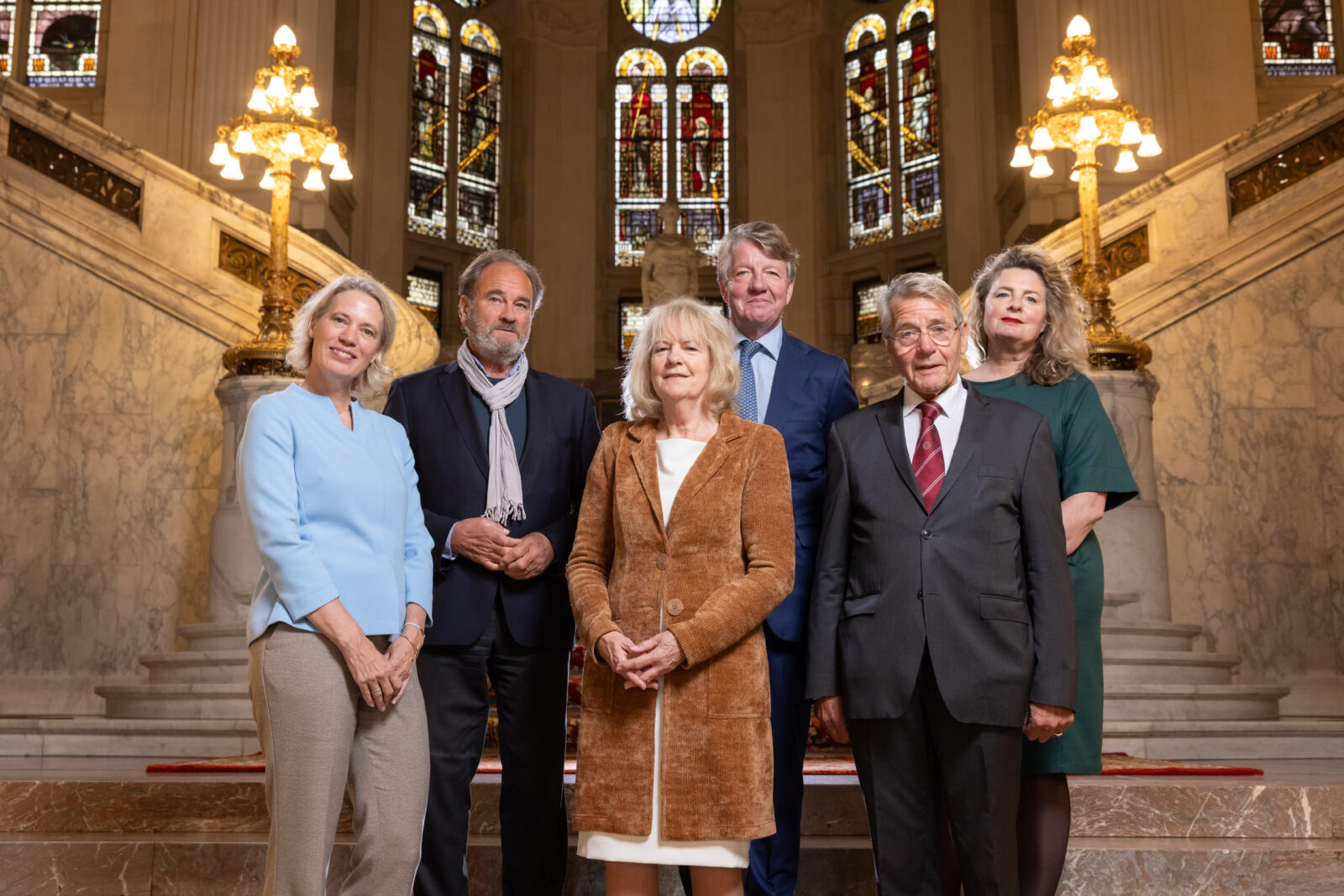
The Board of the Carnegie Foundation has been chaired by Mr J. P. H. Donner since 1 March 2019 and was re-elected on 1 March 2023. Board members are appointed by Royal decree, receive no remuneration and hold no stake in the foundation. The Board supervises the mission and vision statements of the foundation, establishes its priorities and approves the budget and financial accounts. The combination of each member’s expertise in the fields of diplomacy, cultural heritage, finance, law, and publishing ensures that the foundation takes well-founded decisions with the best interests of the Peace Palace, its inhabitants and stakeholders being paramount. The Board also serves as the Board of The Hague Academy of International Law. The Board of the Carnegie Foundation convened six times in 2025.
In 2025, the Board consisted of the following persons:
• J. P. H. Donner, chairman, date of first re-election: 1 March 2023
• D. C. van Wassenaer, treasurer, date of second reappointment: 1 September 2023
• E. M. Wesseling-van Gent, member, date of second reappointment: 1 January 2022
• H.H. Siblesz, member, date of appointment: 1 June 2023
• A.E. Meinders-Durksz, member, date of appointment: 15 October 2024
• D.Dam, member, date of appointment: 1 July 2025
• M. Steenhuis, member, appointed until: 1 July 2025

Advisory Council
In accordance with its statutes, the Carnegie Foundation has an Advisory Council that should be approached for issues of specific strategic importance. The council consists of the Minister of Foreign Affairs (Chairman), the Minister of Finance, the minister of Justice, the Minister of Education, Culture and Science, the President of the Senate (First Chamber), the President of the House of Representatives of Parliament (Second Chamber), the Vice-President of the Council of State (Raad van State), the President of the Supreme Court, and the Attorney-General of the Supreme court. The Advisory Council of the Carnegie Foundation did not convene in 2025.
Management Team
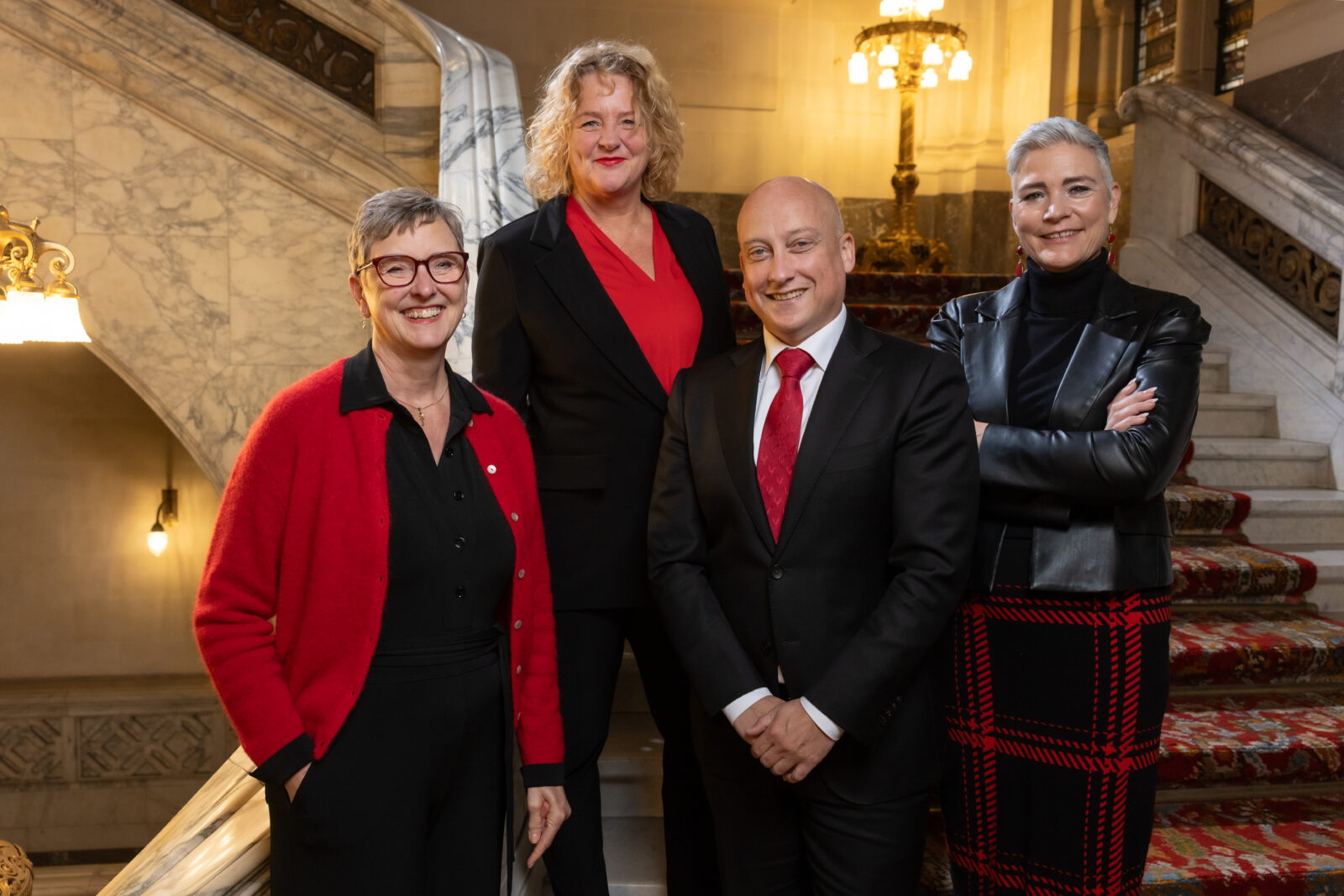
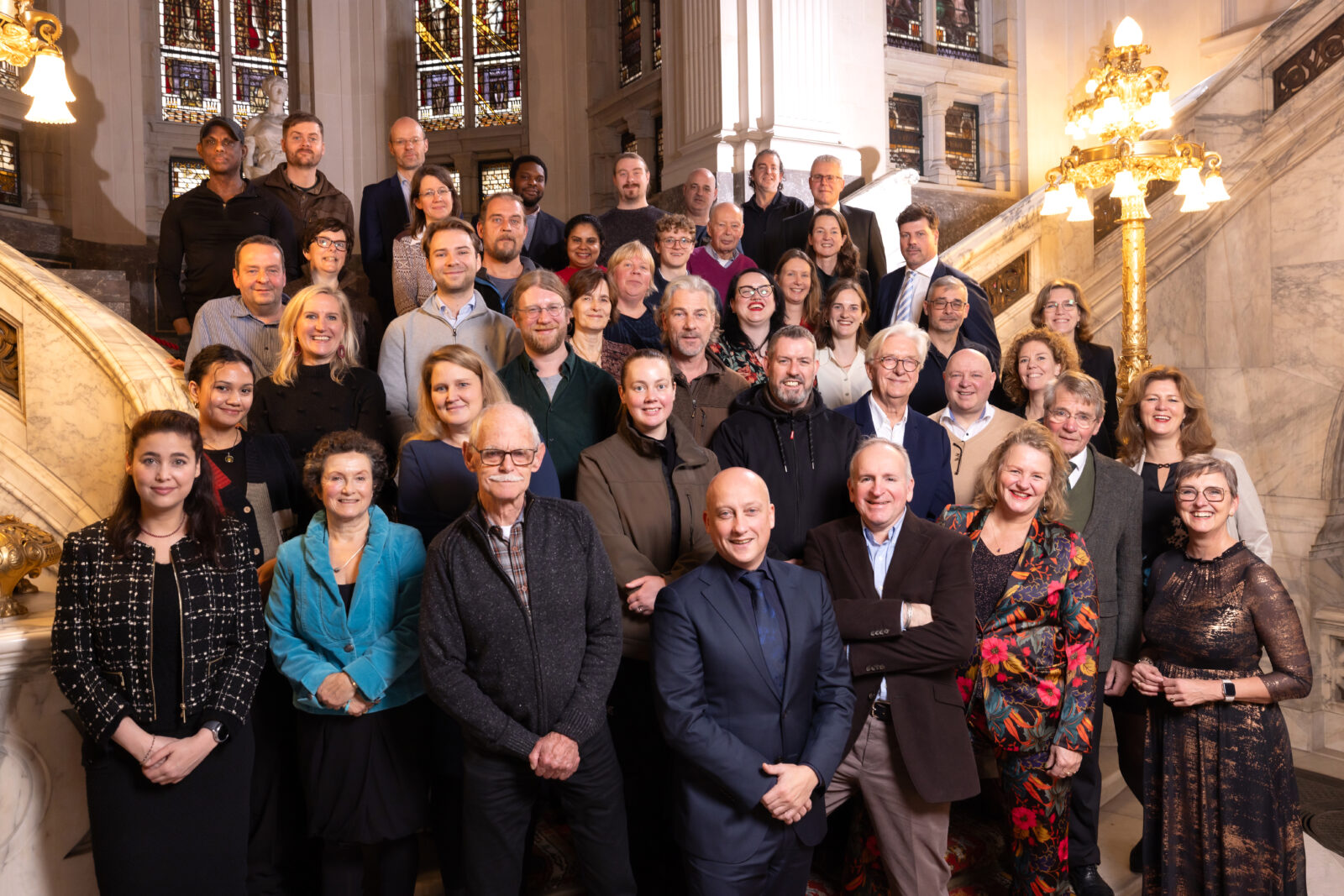
The Management Team (MT) of the Carnegie Foundation runs daily operations and meets on a regular basis. The MT consists of the Director and three managers: the Manager of the Peace Palace Library, the Facilities Manager and the Financial Manager. The MT monitors ongoing and upcoming projects in the various fields of the mission of the Foundation.
In 2025, the Management Team comprised:
• I.D. van Hardevelt, Director
• K.G. Lodder, Library Manager
• A. E. M. Möller-Kramer, Financial Manager
• T. Sweerts, Facilities Manager


Departments
The Carnegie Foundation consisted of three departments in 2025: the Peace Palace Library, the Facilities Department and the Staff Department.

3
Facility Department
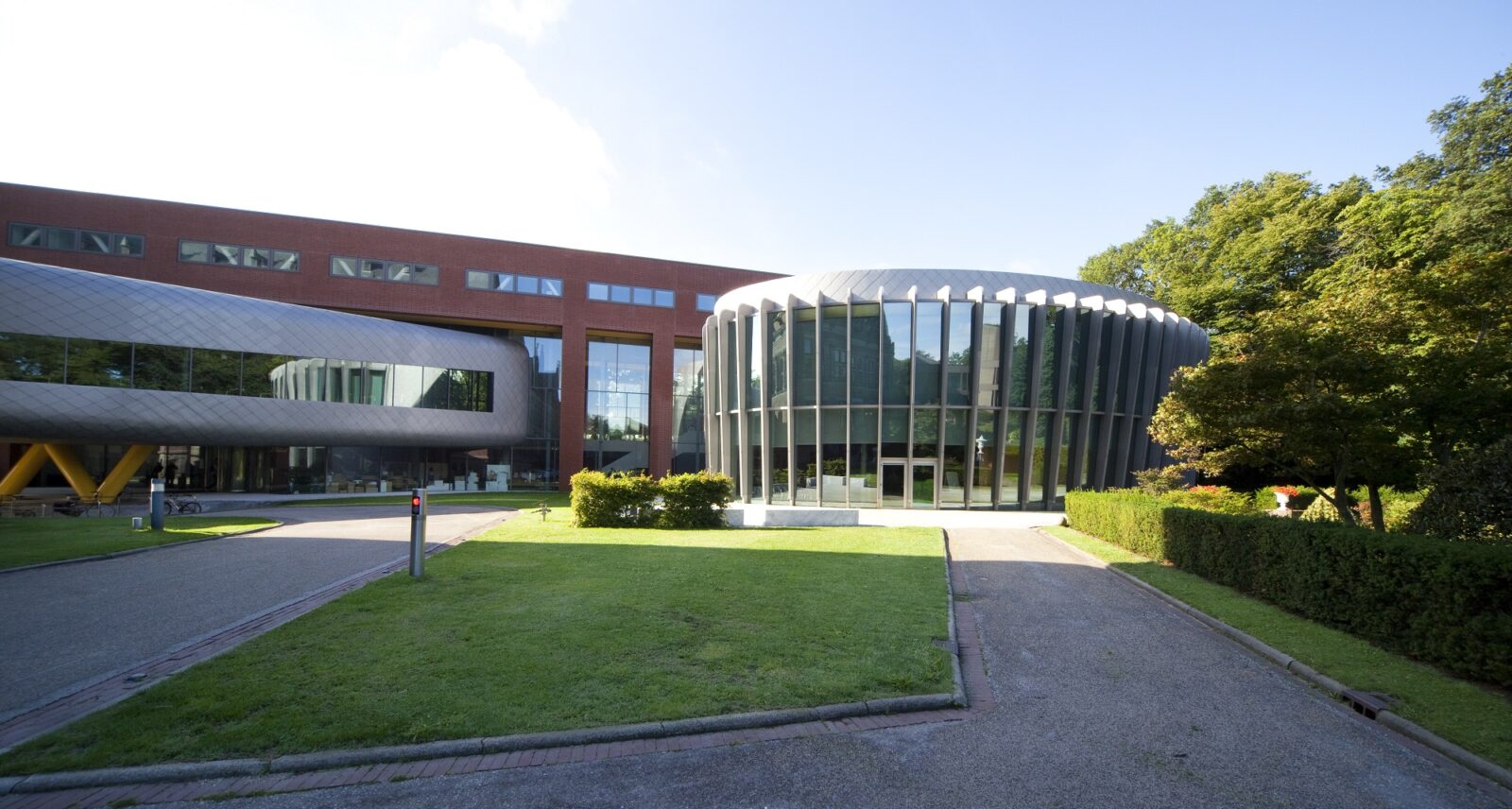
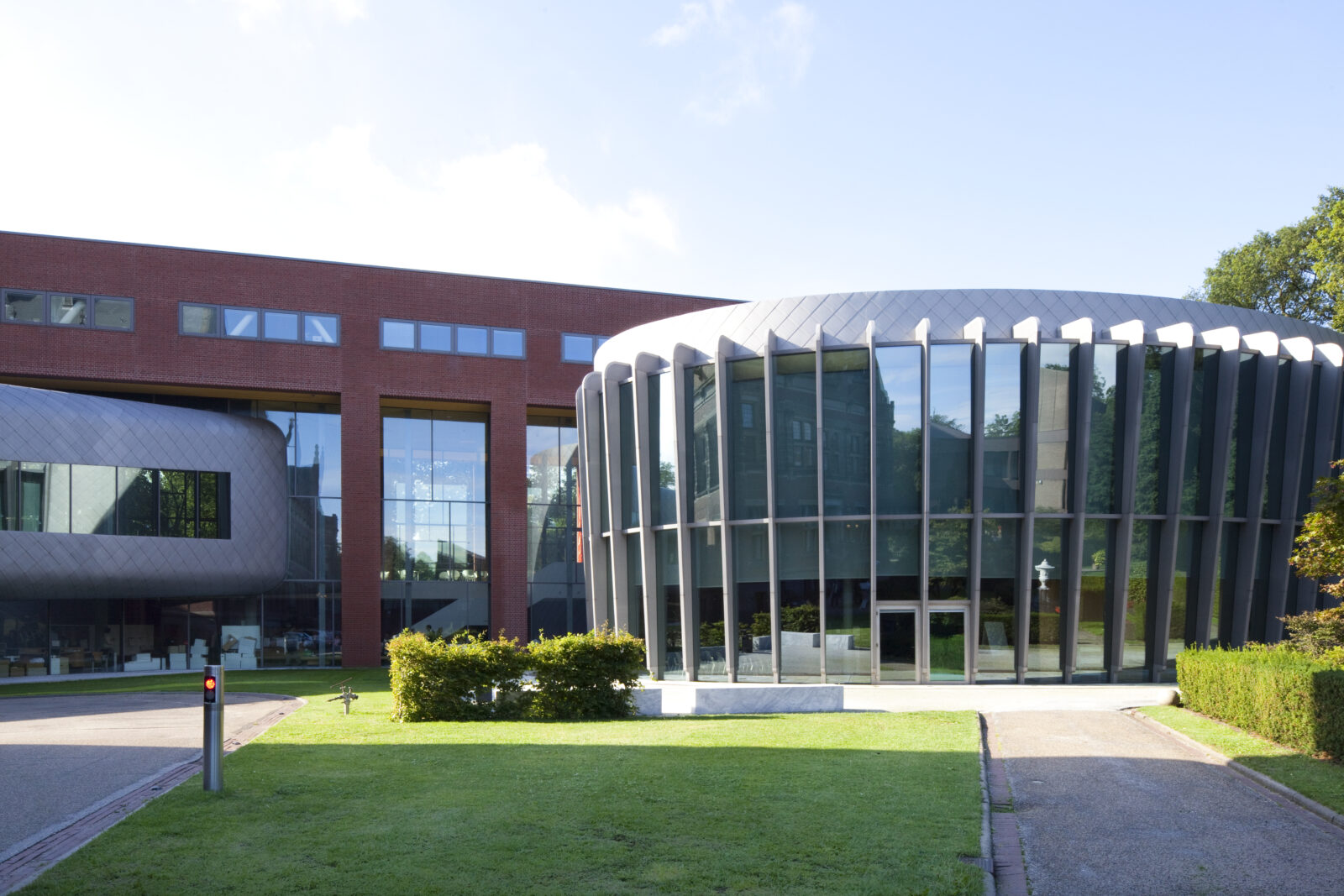
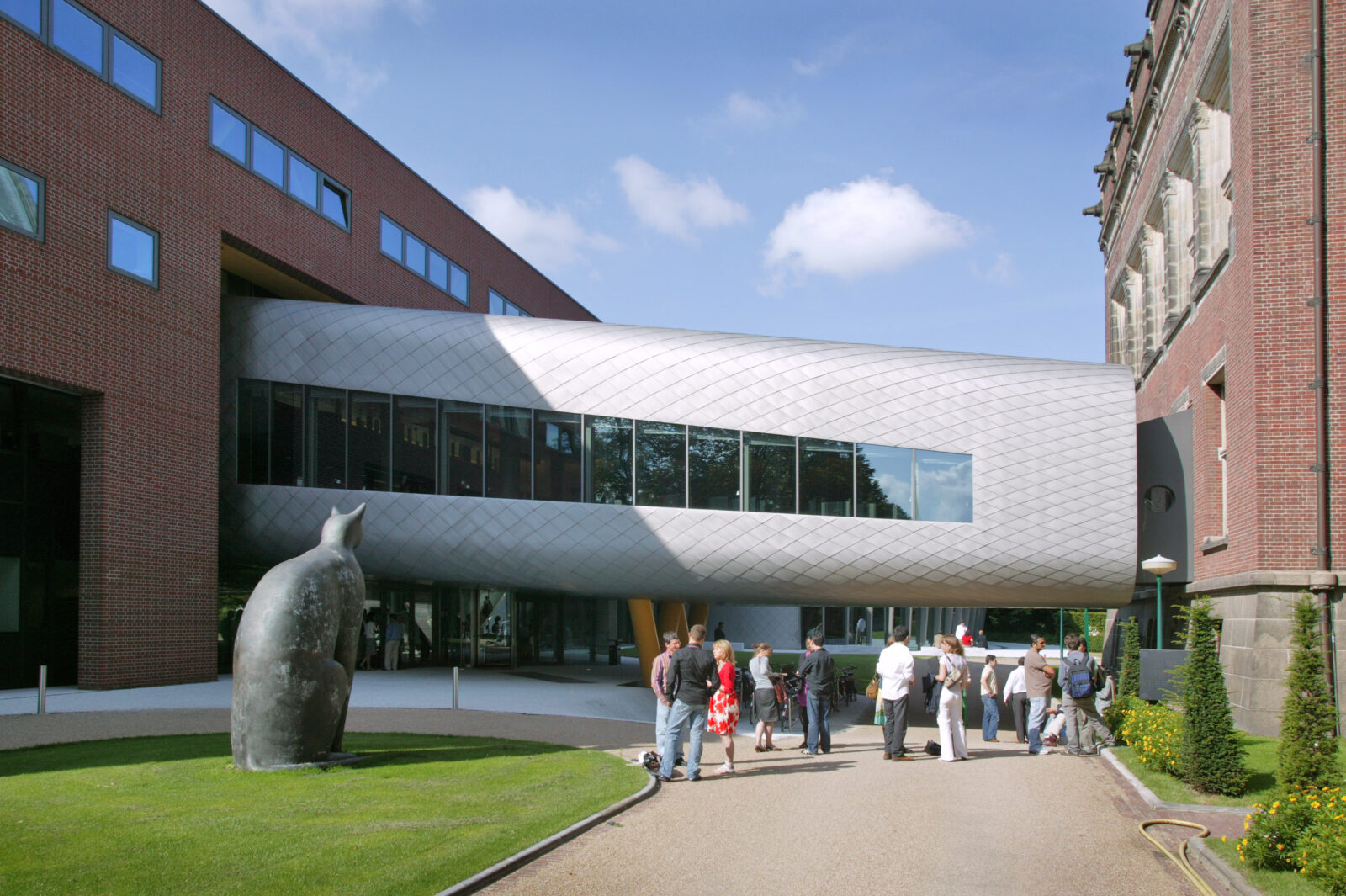
The Facility Department of the Carnegie Foundation is entrusted with the delivery of services to the two Courts as well as to the Hague Academy of International Law and the Carnegie Foundation itself. This responsibility encompasses the management and maintenance of all buildings located on the Peace Palace premises including the monumental Palace, the Judges’ wing, the Academy building, the Security building and garden villa.
In addition to maintenance operations, the department ensures the provision of essential services to the resident institutions. Its remit also includes the maintenance of the six-hectare historic garden, curation of the art collection and Peace Palace security.
Maintenance activities are divided into preventive and corrective maintenance. Preventive maintenance aims to avoid failures through planned actions while corrective maintenance restores functionality after a defect has occurred. Various maintenance contracts ensure the continued functioning of the palace and minimise the risk of technical failures.

Multi-Year Maintenance Planning
A Multi‑Year Maintenance Plan provides a detailed overview of all required maintenance and the associated costs for a building over an extended period. The Peace Palace and its gardens are monumental heritage and maintenance activities are therefore coordinated with the Municipality of The Hague and the Cultural Heritage Agency of the Netherlands (RCE) to ensure their proper execution. In 2023, Braaksma & Roos Architects inspected and assessed all buildings in order to recalibrate the Maintenance Plan. The updated plan includes an extensive analysis of the monumental components.
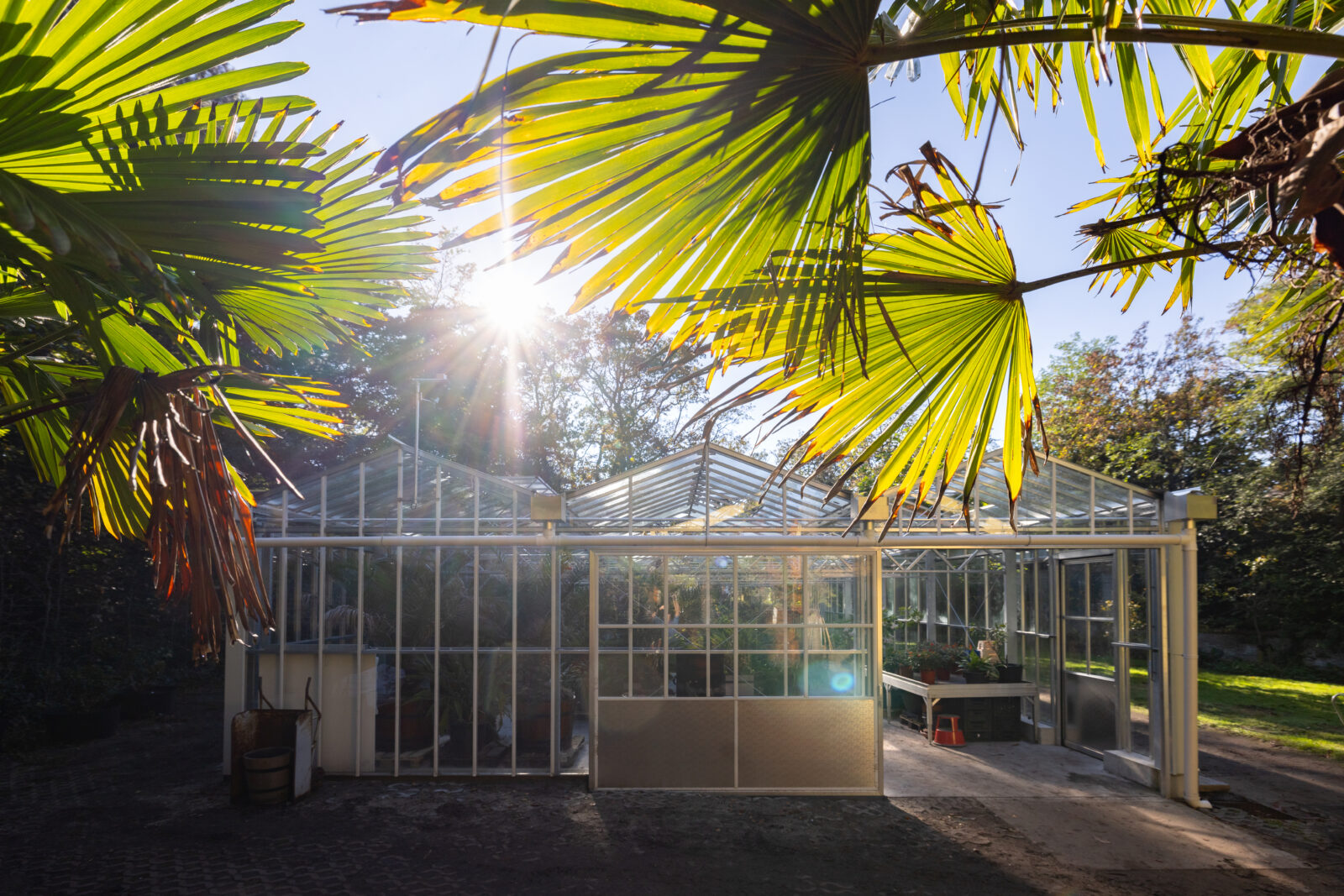
A design has been developed for the repurposing of the former gardener’s residence, which is currently used as a service residence. The building will become more sustainable and will be adapted for use as temporary accommodation during maintenance projects. This project commenced in 2025 and will continue into 2026.
Projects completed during the year 2025:
- replacement of the fire alarm control panel;
- improvements to the Academy building’s lighting;
- replacement of furniture for the International Court of Justice and the Permanent Court of Arbitration;
- improvement of bicycle parking facilities;
- reorganisation of visitor parking area;
- sewer works in the basement;
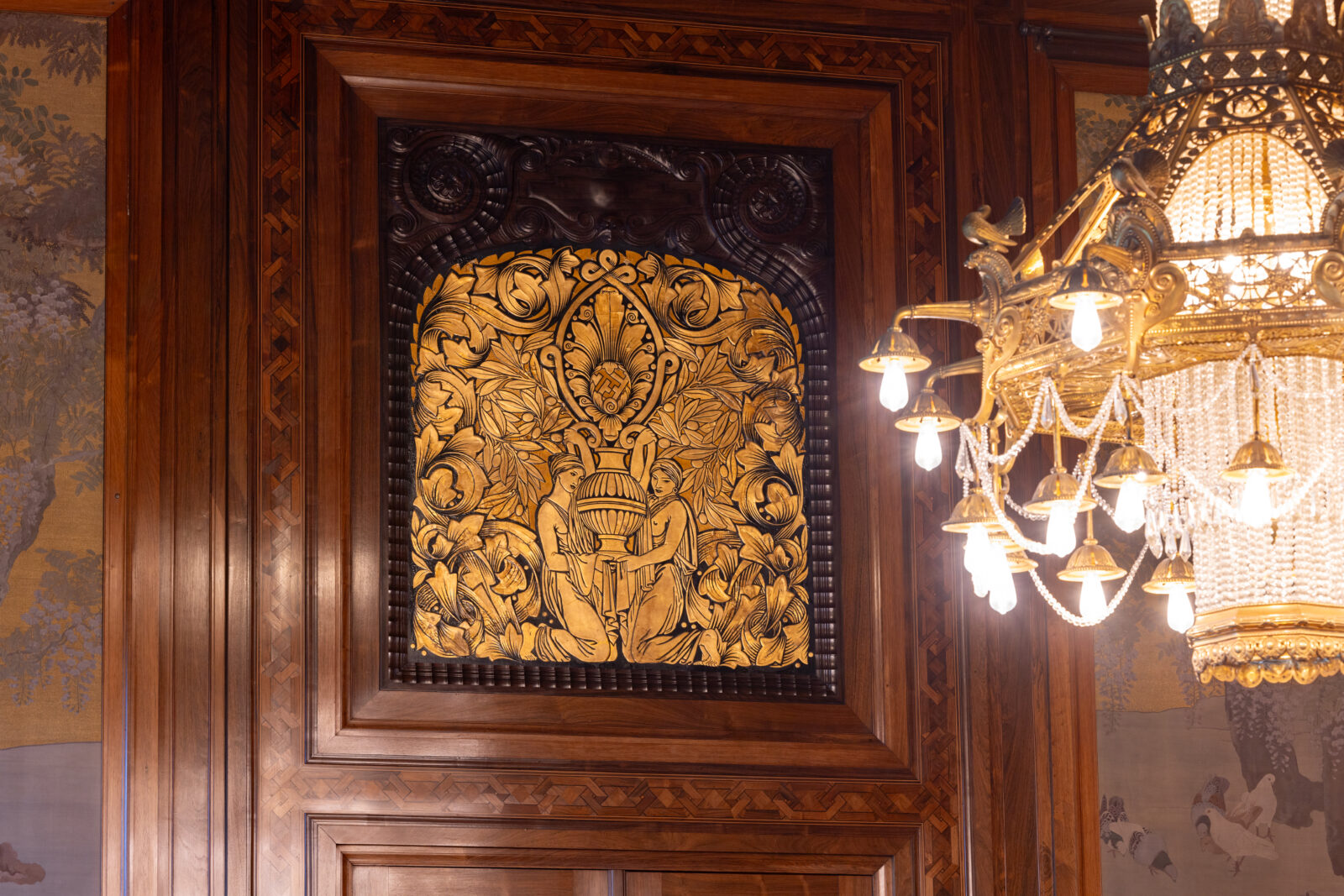
- various improvements in the garden and grounds, including work on sculptures, the restoration of the original garden wall, water systems and the palace’s staircases.


Basic Services
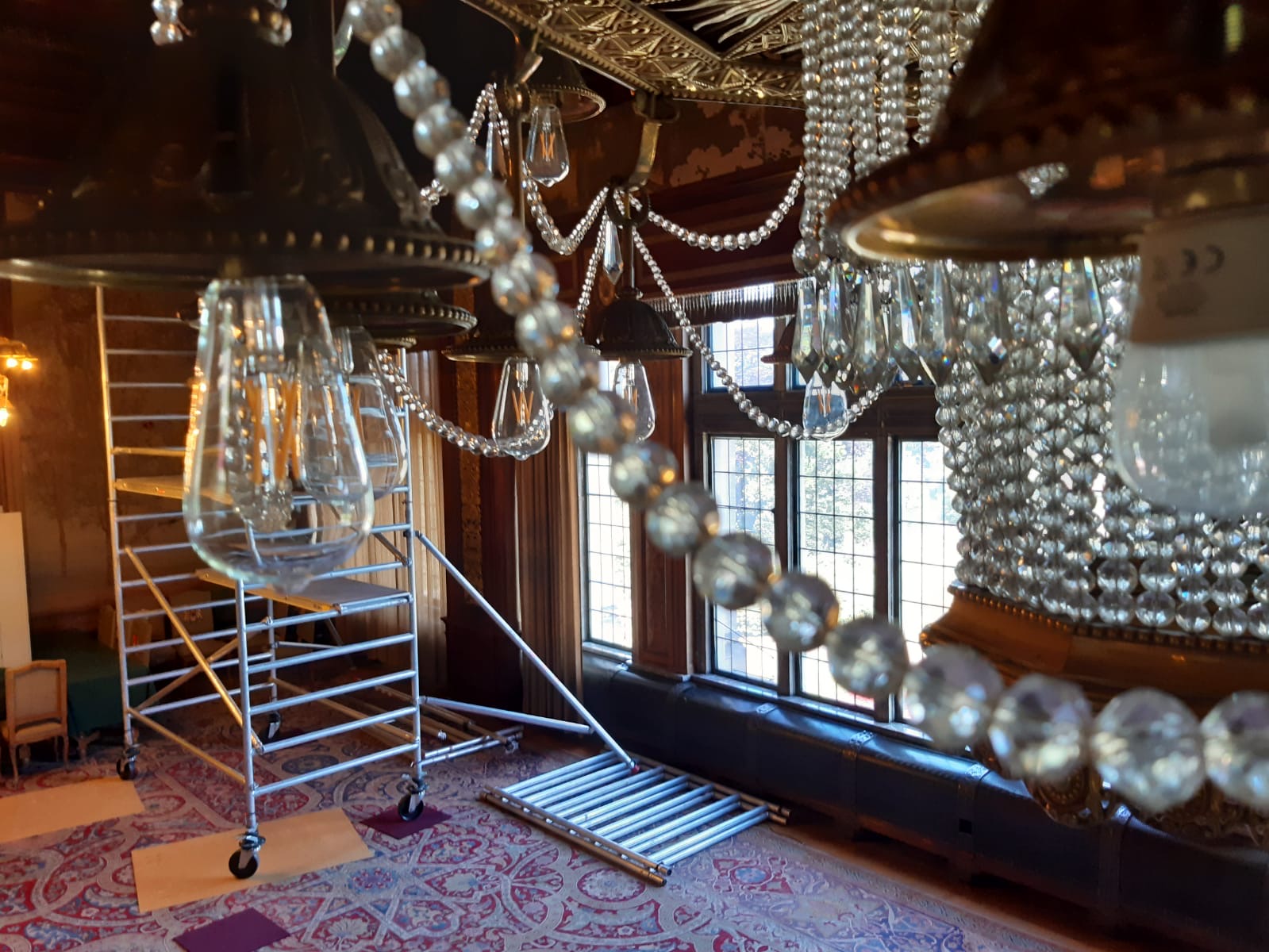
Efforts during 2025 focused on further professionalising basic facility services. A hospitality-driven vision guided the approach aiming to offer staff members and visitors alike a warm welcome every day. Staff members followed a multi‑day hospitality training programme and were supported further with on‑the‑job coaching. Work also began on mapping and, where necessary, optimising processes to ensure a future‑proof service structure. By gaining a clearer insight into customer experiences and contact moments during the customer journey, targeted improvements can be implemented and services further refined. This process will continue in 2026 to both further develop the customer journey and structurally enhance service delivery.
Several major facility contracts were reviewed and updated where necessary. This resulted in new tender procedures for ICT services and catering services. The aim being to further professionalise service delivery and ensure that contractual conditions remain in line with market standards. These procedures will continue into 2026.


Asbestos Projects
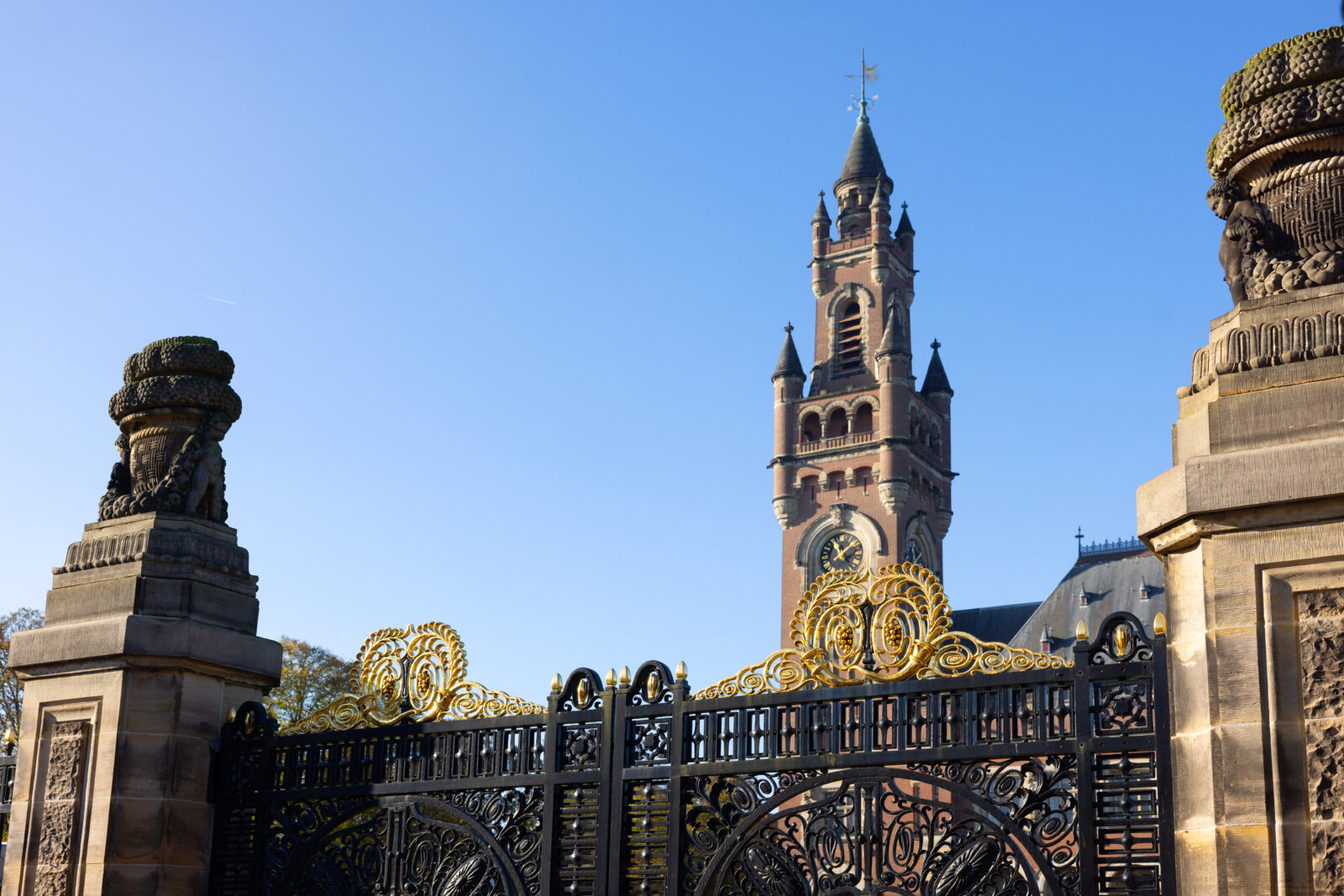
The first asbestos project was completed in 2025. This phase comprised additional investigations to determine the full scope of asbestos present in the palace. The inventory was carried out by the parties contracted in 2023 and forms the basis for ensuring the long‑term sustainability of the historic building. In close consultation with the Courts, further preparations were made for the second project: the remediation of the attic area. Offices located in the affected zone were relocated. The remediation is expected to begin in the first quarter of 2026. Progress with the work will be closely linked to court hearing schedules, but it is anticipated that the work will take approximately one year.
Digital Infrastructure
Throughout 2025, the Carnegie Foundation worked systematically to strengthen, stabilise and future‑proof its ICT environment. The year was characterised by preparations for the tendering of ICT management, network modernisation, further integration of Microsoft 365 and improvements to both information security and data management.


Art Collection and Archives
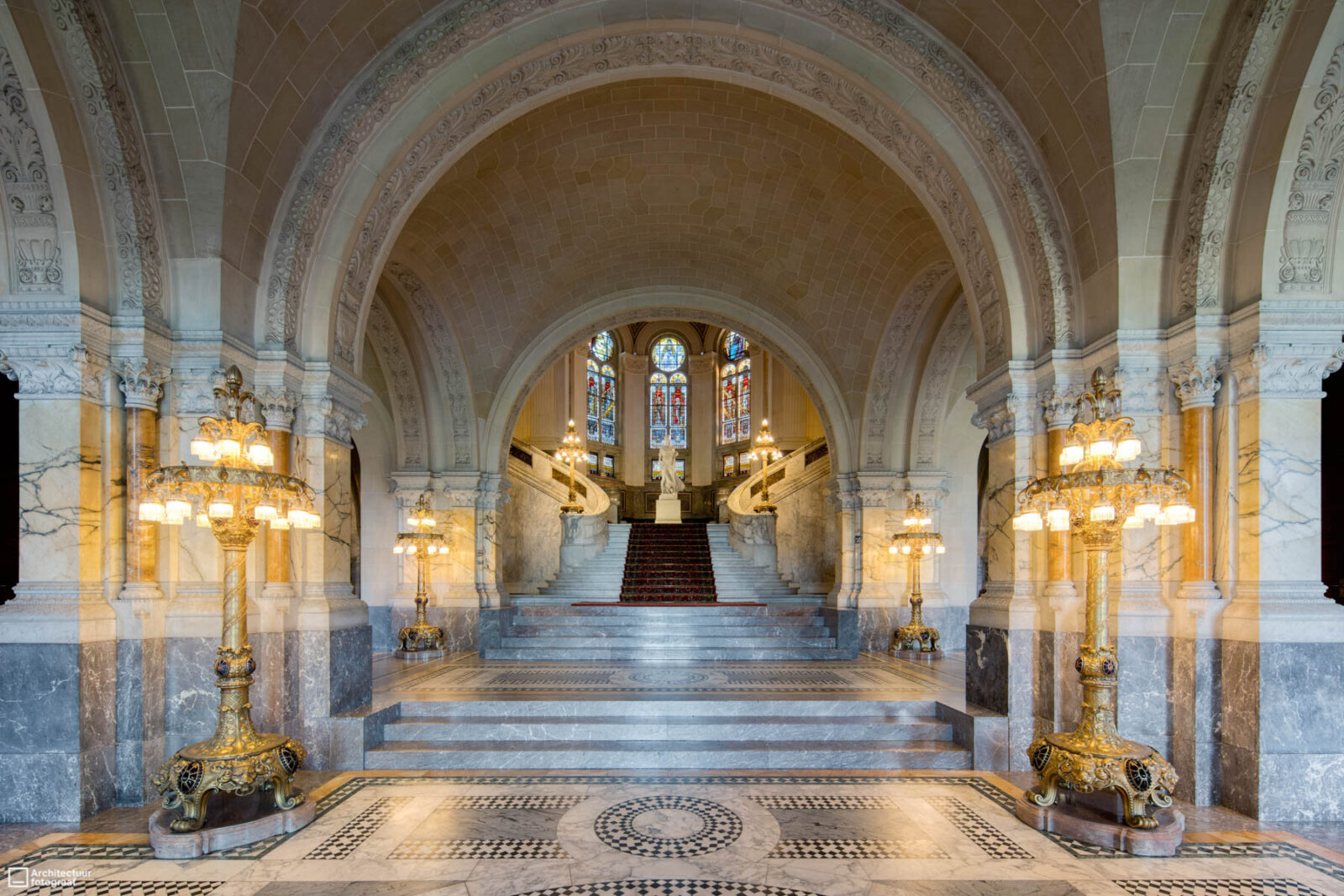
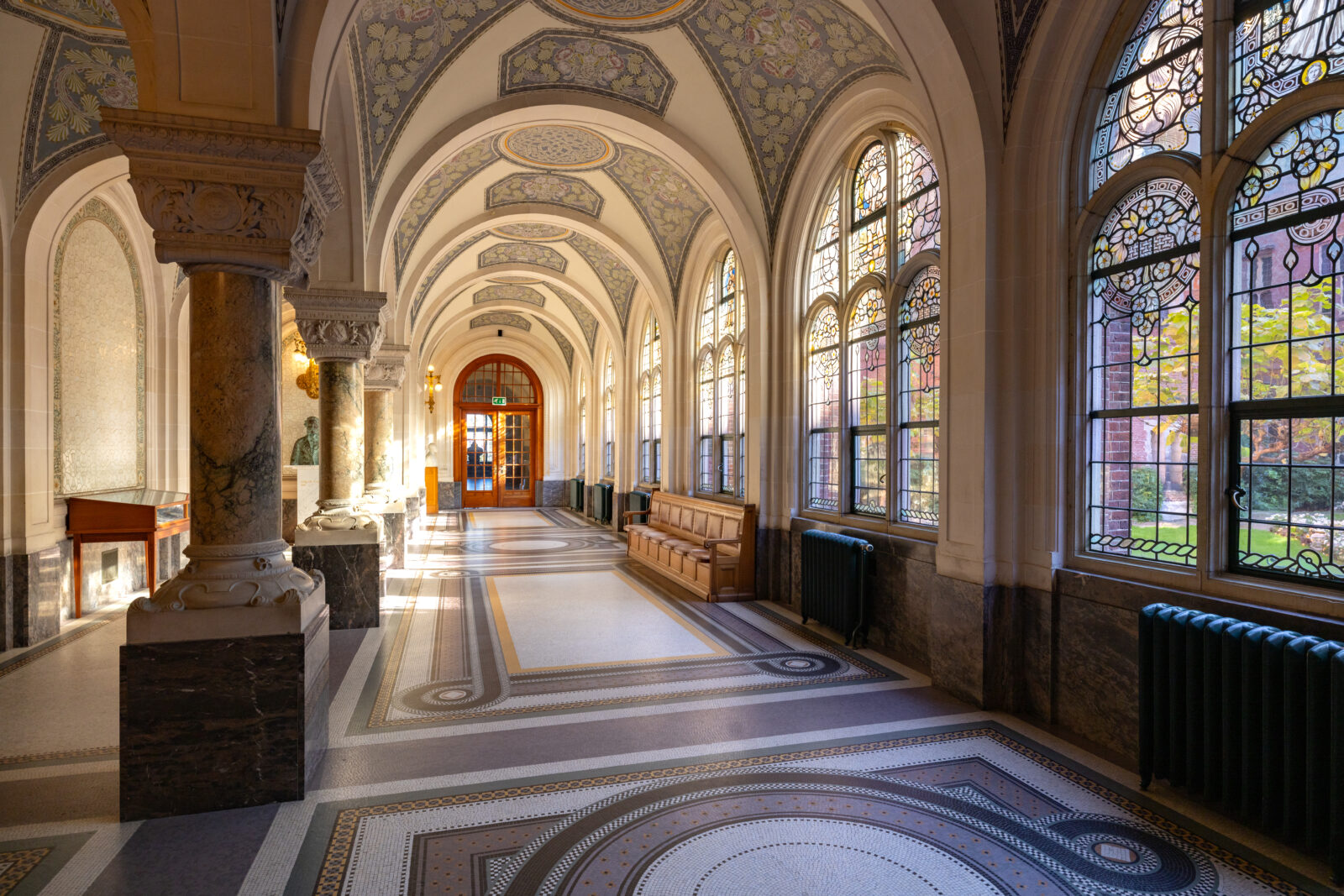
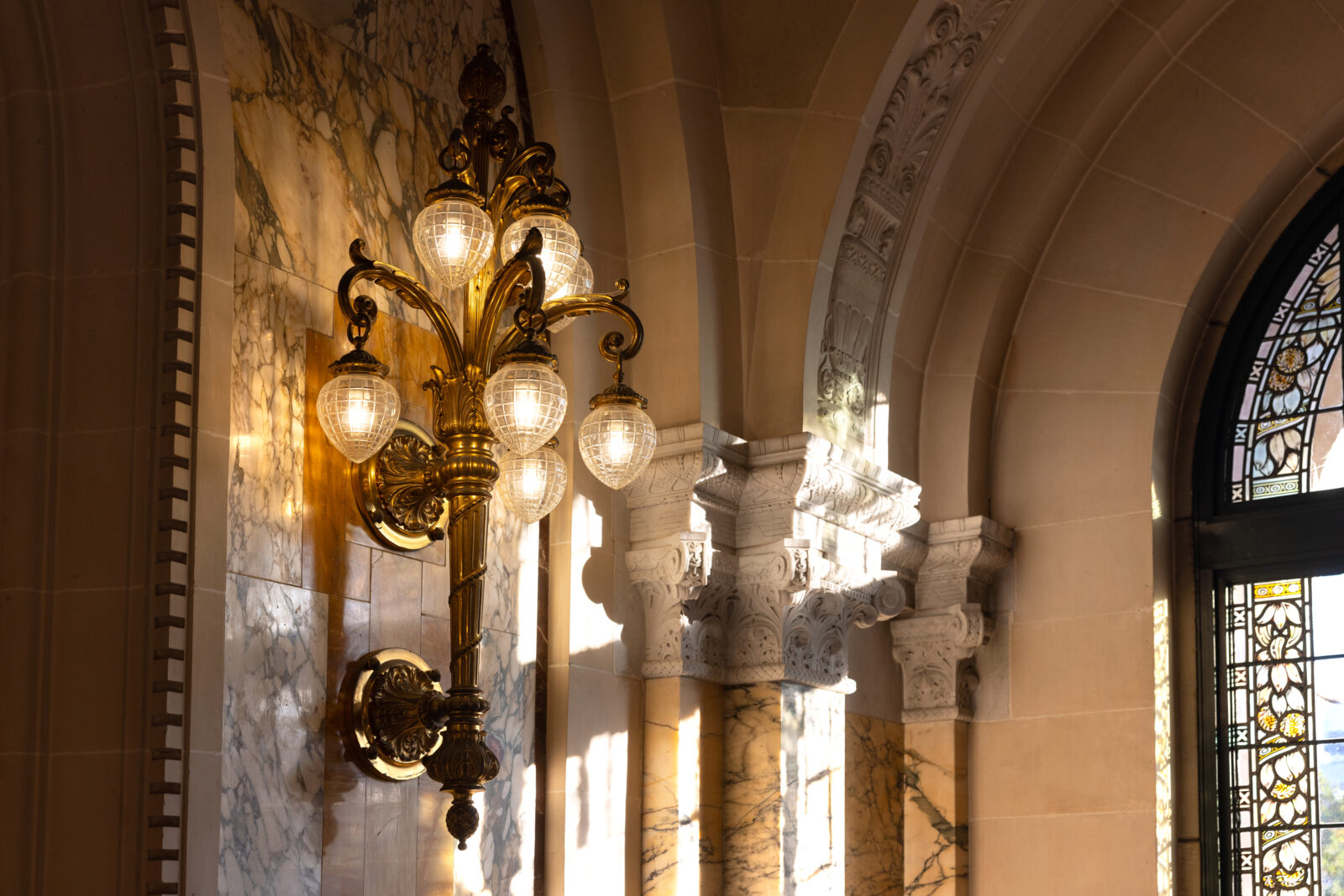
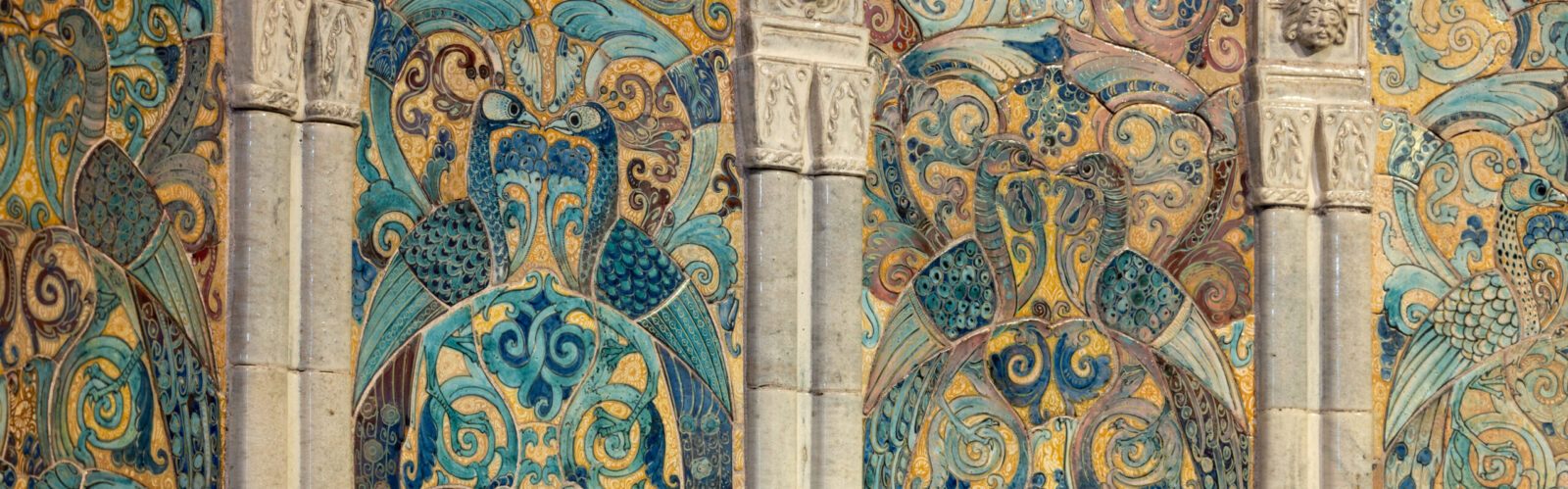
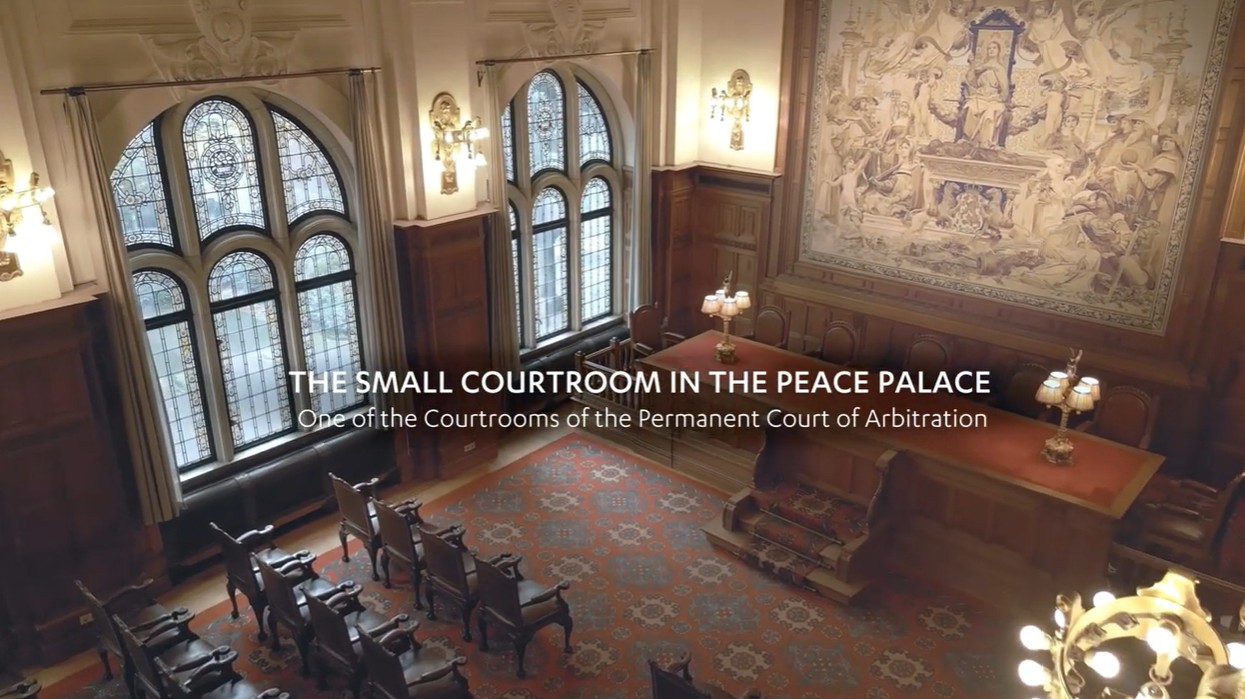
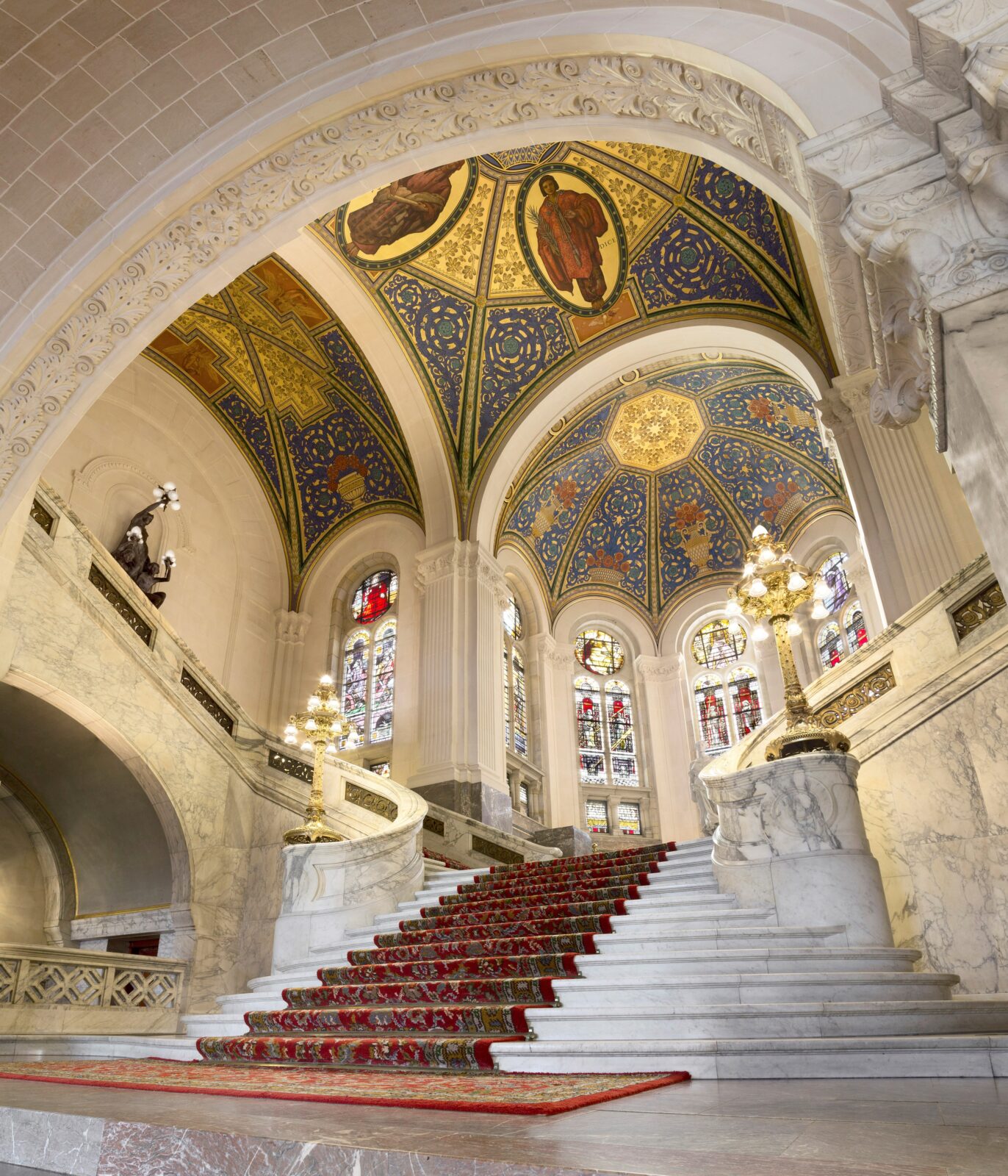
The Peace Palace is an iconic building, renowned for its distinctive exterior and richly decorated interior. It features exceptional decorative elements, artworks, sculptures, and ceiling paintings. Since its construction, more than 40 countries have contributed artworks or building materials, symbolising their support for the international ideal of “Peace through Law.”

Preservation
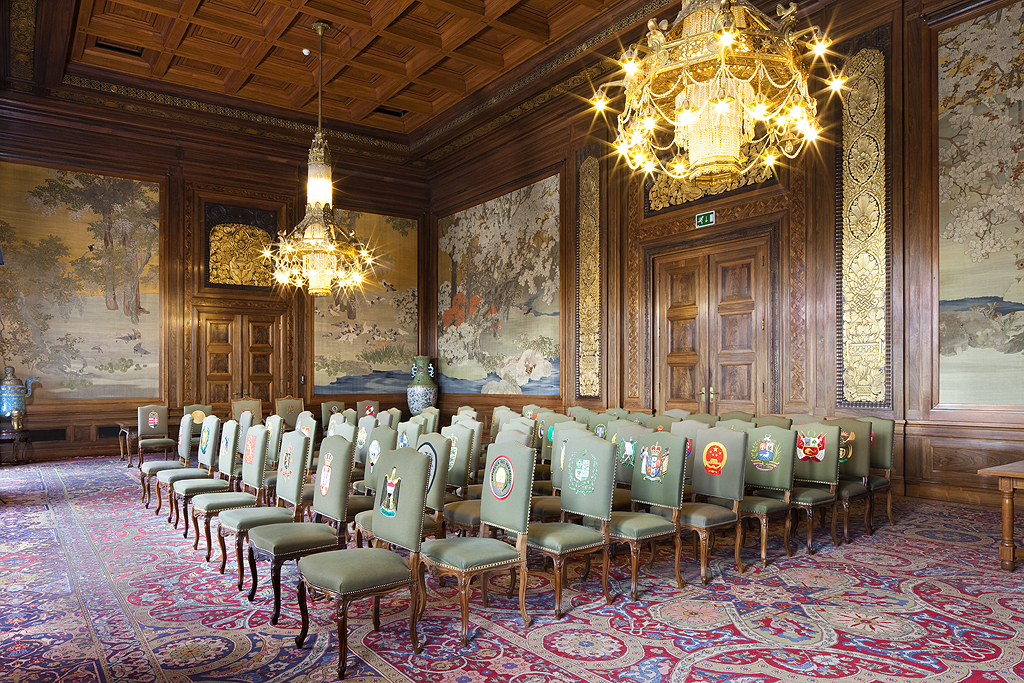
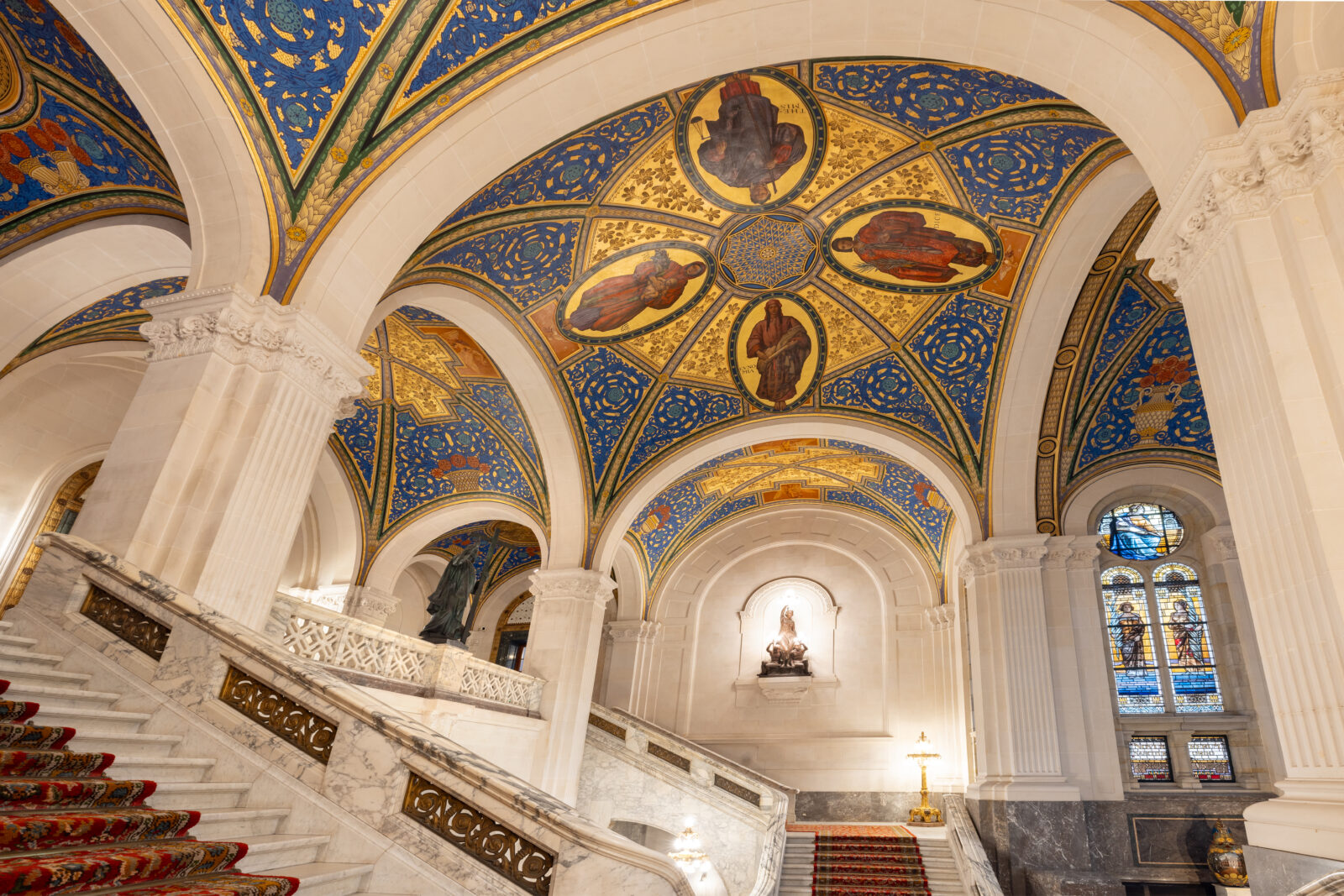
- Several preservation projects were carried out this year including the refurbishment of two rooms on the ground floor. Following the restoration of the parquet floor and the original Deventer carpet as well as the reinstatement of the original furniture, one of these rooms has once again been designated as a meeting room.
- The Red and Green Rooms are historic spaces used by the judges of the International Court of Justice. The original Deventer carpets have been restored and are now in excellent condition.
- The benches in the entrance hall and several other pieces of historic furniture were conserved and restored in accordance with the annual plan.
- The historic reading room has been refreshed with new carpeting and curtains and the installation of a wall‑mounting system to display framed reproductions from the Library’s poster collection.
- In collaboration with specialised restorers, condition reports were prepared for various objects, including paintings and clocks.
- Cleaning staff received an introduction to Good Housekeeping practices, focusing on the preventive care of historic interiors.
- The Danish Polar Bear Fountain underwent an extensive restoration this year. The completion of the project was marked with an intimate gathering attended by the Danish ambassador.
- A number of sculptures and garden objects including the Hungarian vases and garden vases from the Sorghvliet Estate were conserved and cleaned. This work will continue into 2026.

Collection Management
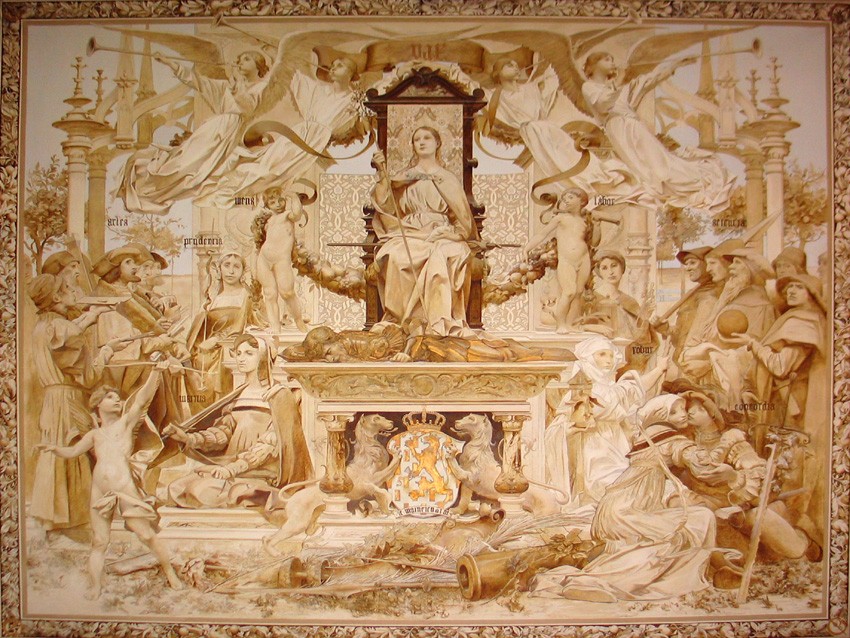
- Thanks to a donation from the estate of former library staff member Mr D. F. Lugthart, the Carnegie Foundation was able to acquire a gouache from the great‑grandson of architect Cordonnier. The work has notable cultural‑historical value as it represents an intermediate stage in the development of the French gift, Olivier Merson’s ‘The Glorification of Peace’. The gouache will be restored, framed to museum standards and ultimately placed in the Small Hall of Justice.
- A new display case has been installed at the entrance to the Auditorium of the Academy Building. Its interior arrangement was coordinated with the Hague Academy of International Law.

Archive Project
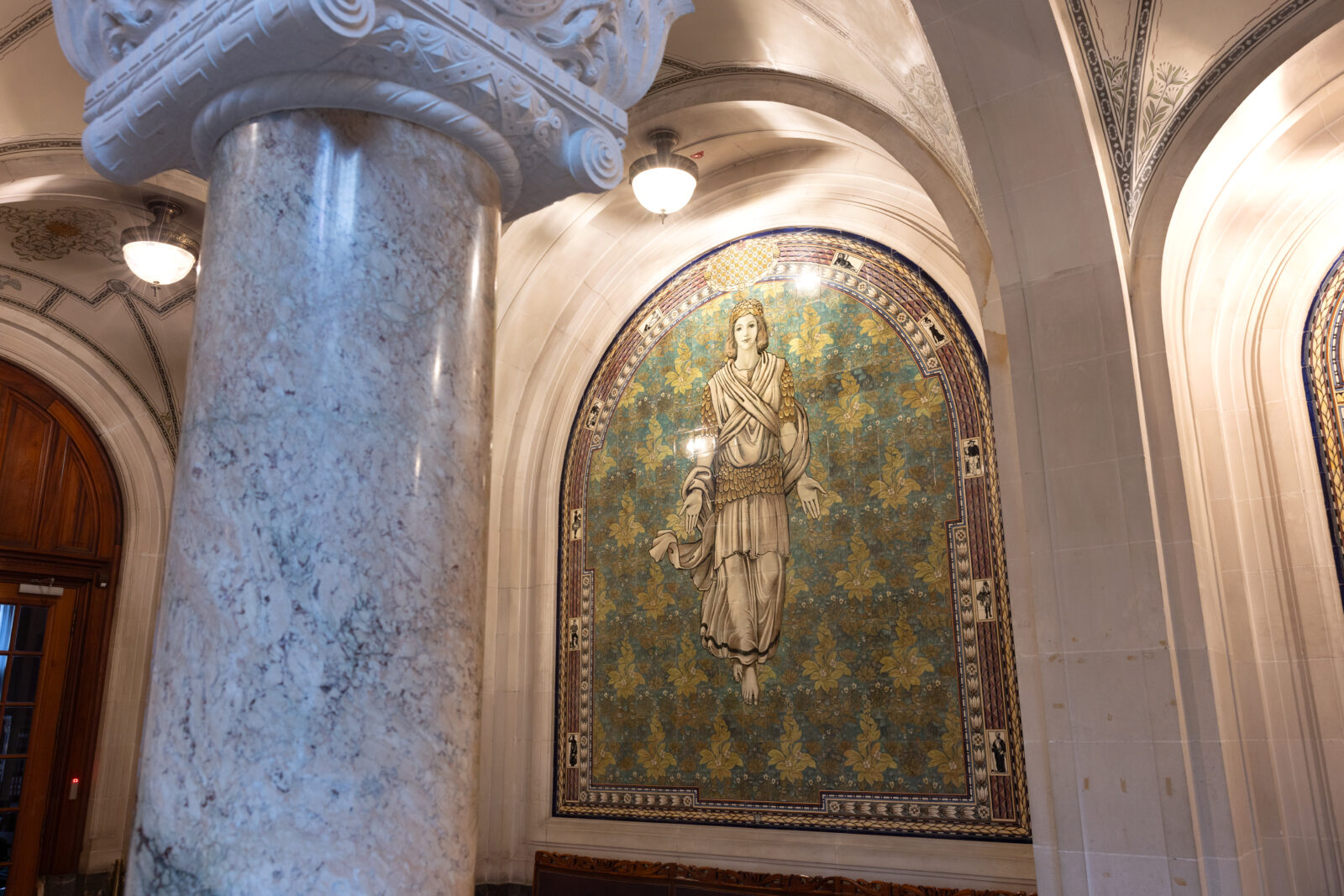
- The project to reorganise, inventory and prepare the entire paper archive of the Carnegie Foundation for possible digitisation is being carried out by historian Johan Joor. Completion of the preparatory phase is scheduled for the second quarter of 2026.


Sustainability
In 2015, 195 nations adopted the Sustainable Development Goals (SDGs) while the Paris Agreement set a clear objective to limit global warming to well below 2°C. Together, these agreements pointed the need for urgent climate action. At the national level, the Netherlands Climate Act reinforced this commitment by requiring CO₂ emissions to be reduced by 55% by 2030 and by 95% by 2050. The Dutch Climate Act set out the measures that would be needed to achieve these targets.As sustainability is one of the Carnegie Foundation’s core values, the foundation aligned its own aims to this ambitious level. As the owner and manager of the Peace Palace, the foundation considered it must take concrete steps and is therefore committed to embedding sustainability in the Peace Palace in a lasting way as part of its day-to-day operations.
In 2025, this commitment was reinforced through the launch of a sustainability programme developed in close cooperation with Bureau 2030. The programme aims to strengthen awareness across the organisation, support the continued improvement of sustainable operational practices and encourage constructive behavioural change. A dedicated implementation agenda was established and the Courts and internal teams were engaged through joint kick‑off sessions ensuring broad involvement and shared responsibility.
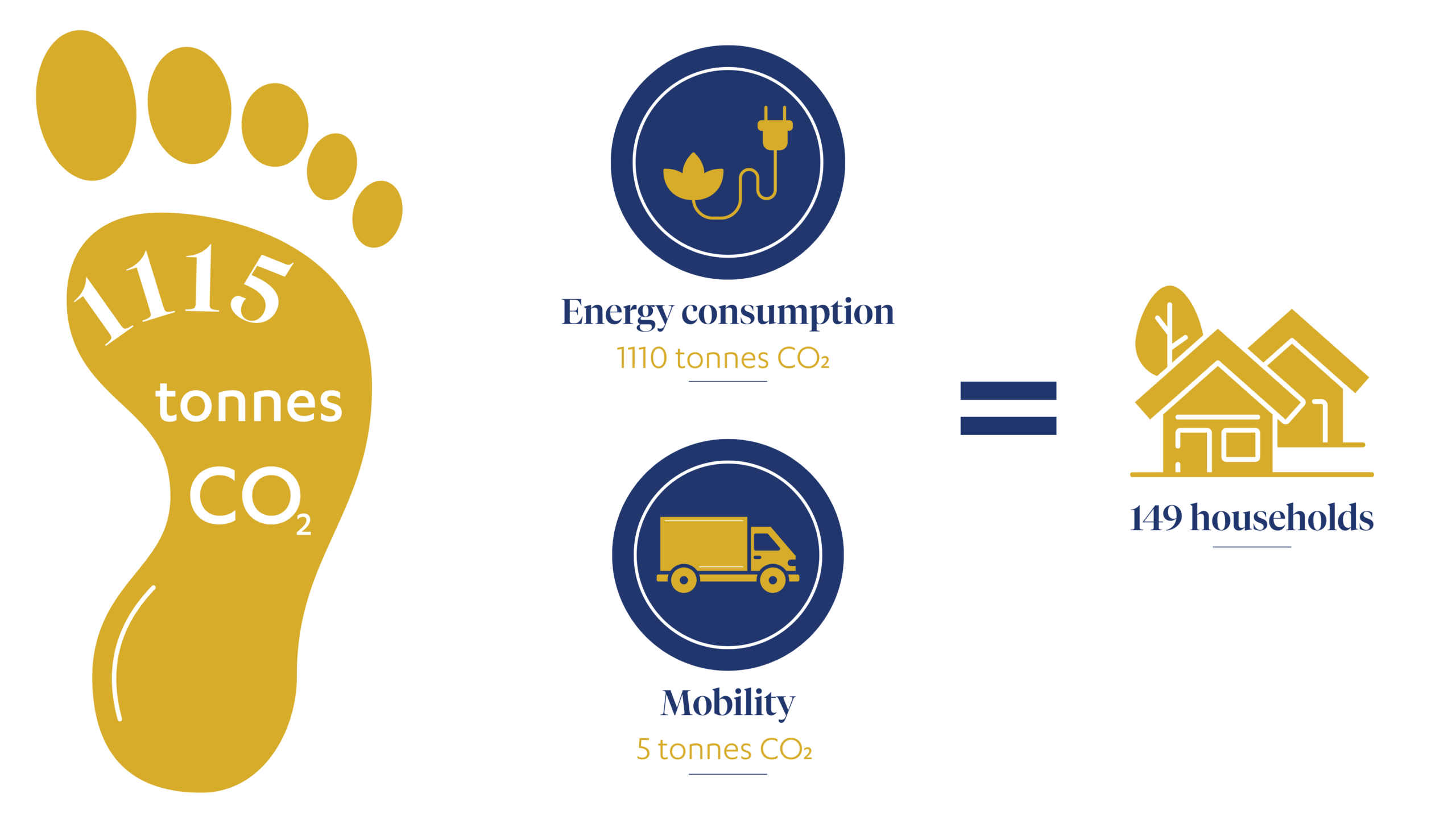
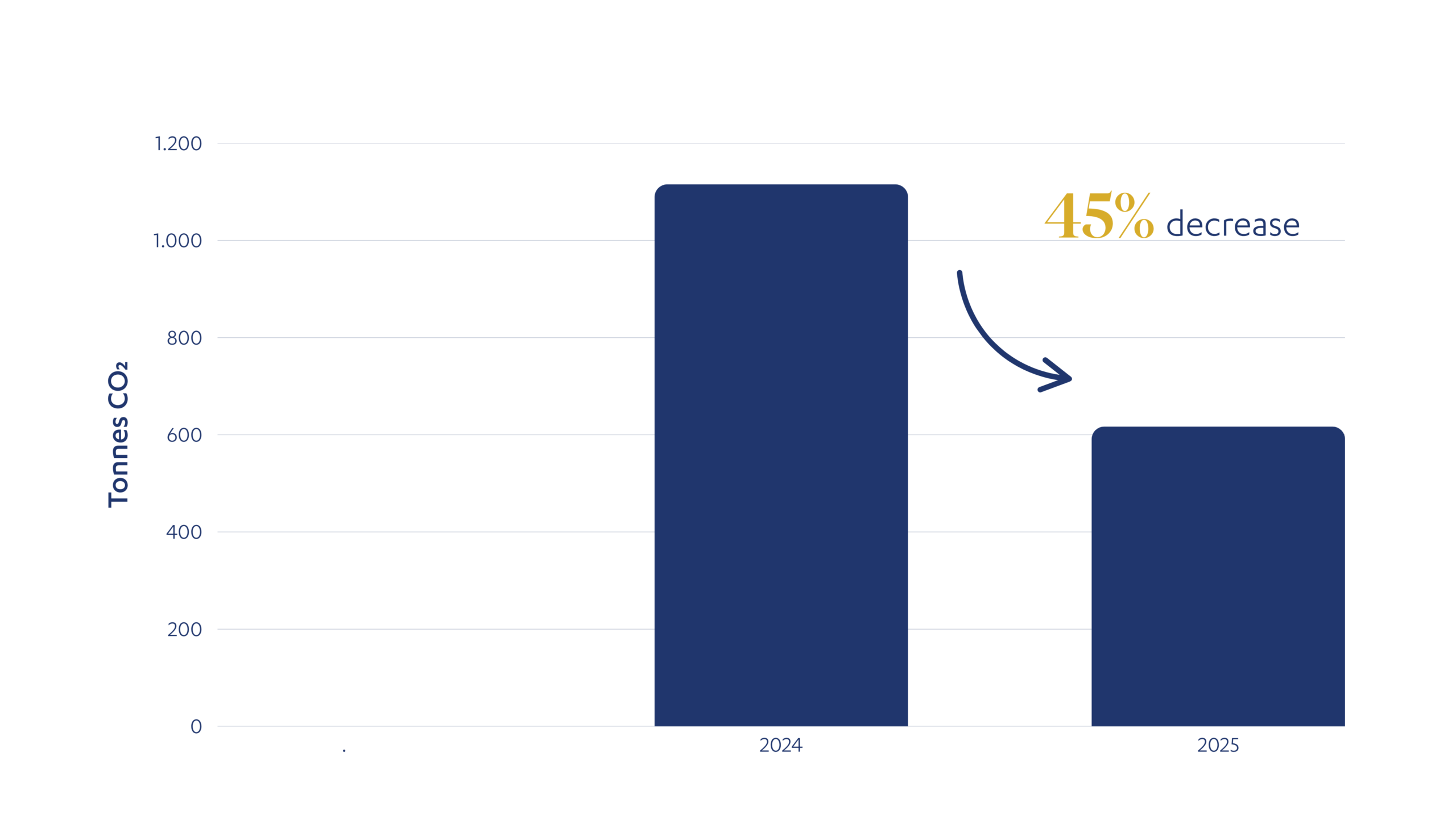
Carbon footprints of 2024 of the Carnegie Foundation



Implemented Actions
The Carnegie Foundation had already taken steps towards sustainability in recent years. As part of the baseline assessment, a qualitative and quantitative sustainability scan was conducted to identify key areas for attention and to map existing measures and data related to the programme’s sustainability themes. These scans showed not only broad support amongst the staff for sustainability but also their intrinsic motivation to contribute. They identified the greatest potential impact in energy savings, resource reduction, renewable energy and waste reduction, all contributing to a more sustainable Peace Palace.
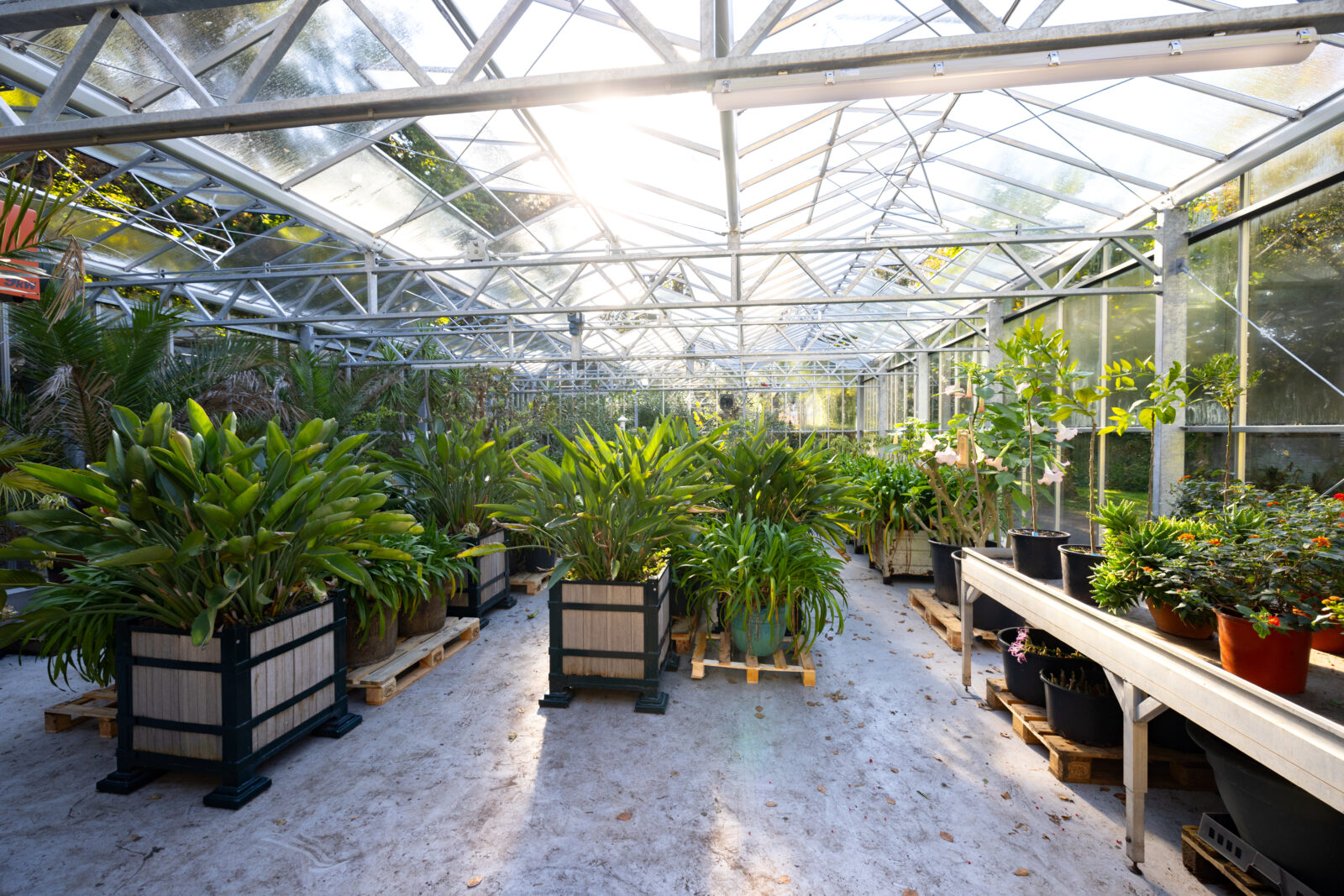
Successful projects were delivered across the different themes. Examples of measures implemented in 2025 include switching to a green energy contract, giving IT hardware a second life, supporting remote working wherever possible, avoiding the use of chemicals and artificial fertilisers, and by using electric gardening tools.
Outlook
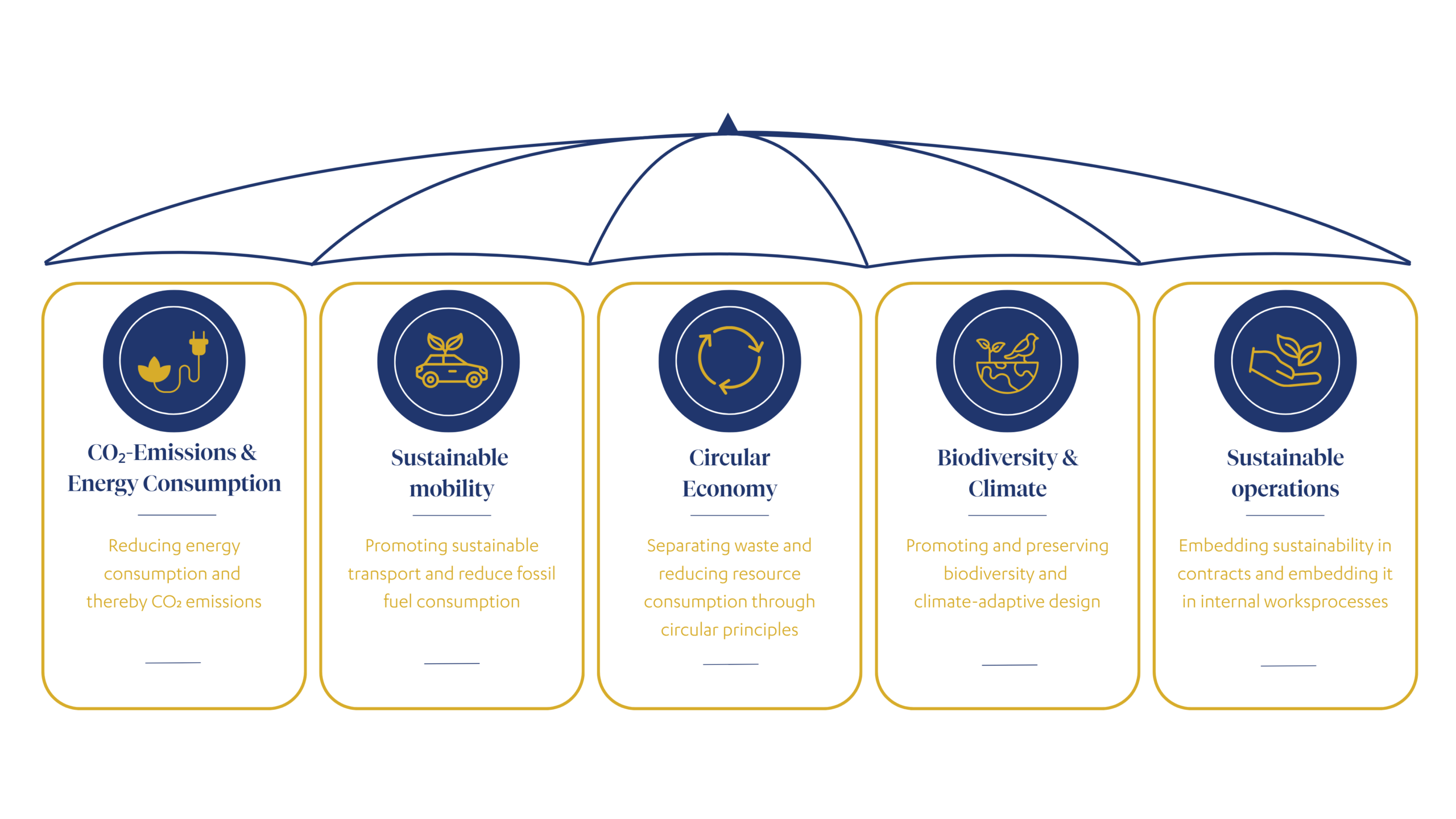
In 2026, the implementation process will be launched in line with the roadmap. The first phase focuses on four themes:
- CO₂-emissions & energy
- Circular economy
- Sustainable mobility
- Sustainable operations
Looking ahead, the foundation remains committed to achieving its sustainability goals. Sustainability is not a project with a fixed deadline; it is ongoing and must be refined year after year. The foundation invites all stakeholders, partners, visitors and employees to contribute to this mission, as these challenges are too important to face alone.


4
Peace Palace Library
The Peace Palace Library provides optimal and efficient information services primarily for the Courts housed in the palace and the Hague Academy of International Law. The collection is focused mainly upon international law with the broad scope of meeting the extensive information needs of both courts. External users may also make use of the library’s services.
Collection Development
In 2025, collection development focused primarily on digital collections. The Peace Palace Library has a unique profile within the academic library landscape: it manages a highly specialised collection on international law not embedded within a university structure and it also serves a broad, remote international user base. This unique characteristic presents specific challenges in terms of licence management that directly affect the different user groups and which require ongoing, careful coordination with suppliers.
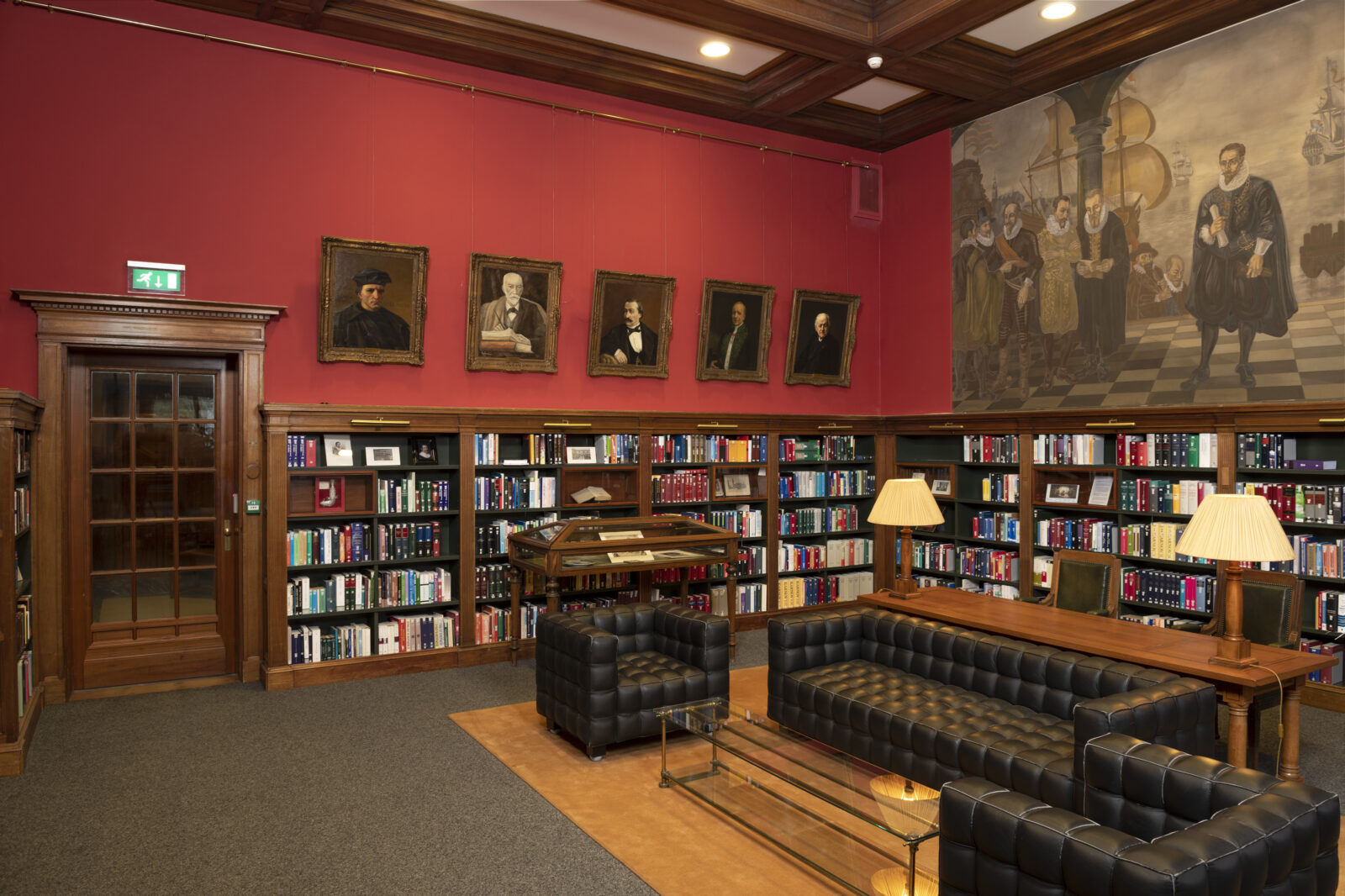
The review of the Reading Room collection got off to a good start in 2025 and this will continue into 2026. When updating the existing subject areas, AI-supported analysis was used to systematically examine the collection, identify gaps and remove duplicates. Based on these insights, themes have been updated and the collection’s content is being refined. Furthermore new, topical subjects, including artificial intelligence, climate change and minorities, have been added. This combined approach ensures that the Reading Room is developing into a topical, balanced and future-proof collection that meets the information needs of its diverse members.


Access to Digital Collections
One of the library’s strategic priorities is to strengthen its basic facilities and infrastructure. Improving the registration and accessibility of the digital collections is an important part of this. In 2025, a project team of four staff members started a full re–inventory of the digital collection, checking per publisher which materials had been acquired in recent years. Where possible, these titles were added to the catalogue via the library software in order that users can find digital books and journals more easily and quicker. At the same time, outdated collections and those considered no longer relevant were removed. All related contracts and licences were made digitally available in the back‑office systems, creating a complete and clear dossier. The project resulted in 71,222 additional items in the catalogue and approximately 50 contracts and licences were made available digitally.
The physical library was expanded by 5,388 items in 2025 (compared to 5,995 in 2024). The vast majority were newly acquired although a small proportion were books that were already present but which had not yet been registered in the library’s systems.
Reorganisation Storage Facilities
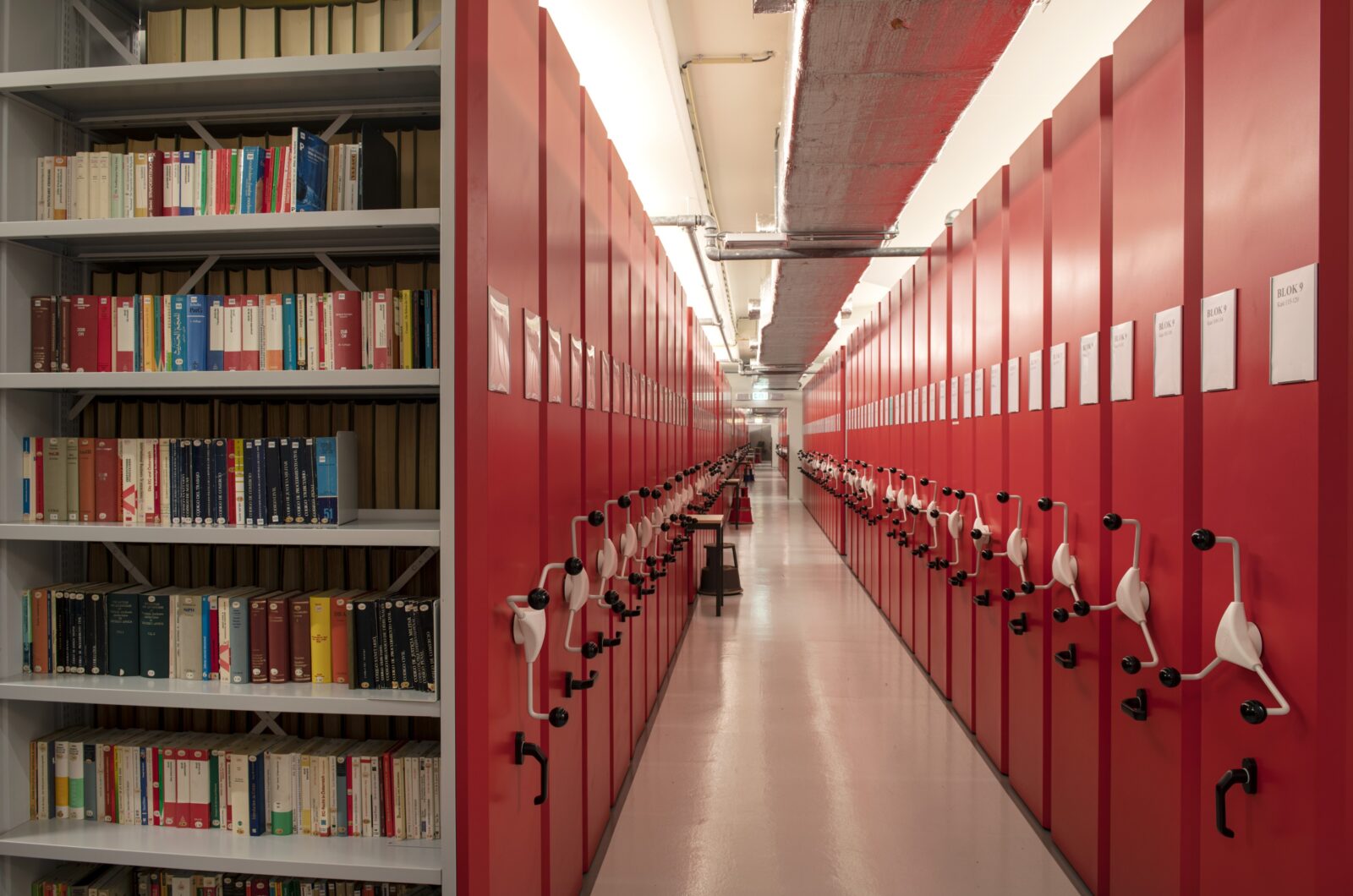
Building on the work of 2024, the reorganisation of the storage facilities continued in 2025. The primary objectives were to achieve a more efficient use of space and to establish a clearer and more coherent arrangement of the collections. The entire team contributed to this effort, resulting in a substantial outcome: a total of 3,789 metres of shelf space was freed up without the need for deselection. Based on an average of 60 books per shelf, this provides capacity for more than 200,000 volumes in the coming years. The project will continue in 2026 with the reorganisation of two additional storage areas, ensuring that the library remains well prepared for future collection growth.
Customer Satisfaction
Following the modernisation of library systems in 2024, a customer satisfaction survey was conducted in 2025. The aim was to assess whether the updated systems improved users’ experience in searching and locating collection items, and to gain a broader insight into how users value overall services. In total, 7.5% of active library users participated. The overall assessment was highly positive with an average score of 9.
The results across service areas showed consistently high satisfaction:
- 69% of users found the digital support helpful;
- all respondents reported being very satisfied with the services at the information desk;
- 81% valued the customer‑oriented approach of staff;
- and 83% rated the subject‑matter expertise of staff as high.
The main concern raised related to the limited possibility for remote access to certain online databases which users experienced as a barrier to information accessibility.
30 km physical collection
2.628 paying
and
1.633 non-paying members
3.059 loans registered
1.044 interlibrary loan requests
36 guided tours in the Peace Palace Library
5.388 new items

5
Staff Department & Public Activities
The Staff Department has an advisory and service delivery role in supporting the Carnegie Foundation in carrying out its organisation‑wide mission. Through its expertise in human resources, administration, legal affairs, secretarial services and communication, the department contributes to maintaining the Peace Palace, housing the Courts and the Academy, providing services to these institutions and maintaining a positive public image of the Peace Palace.
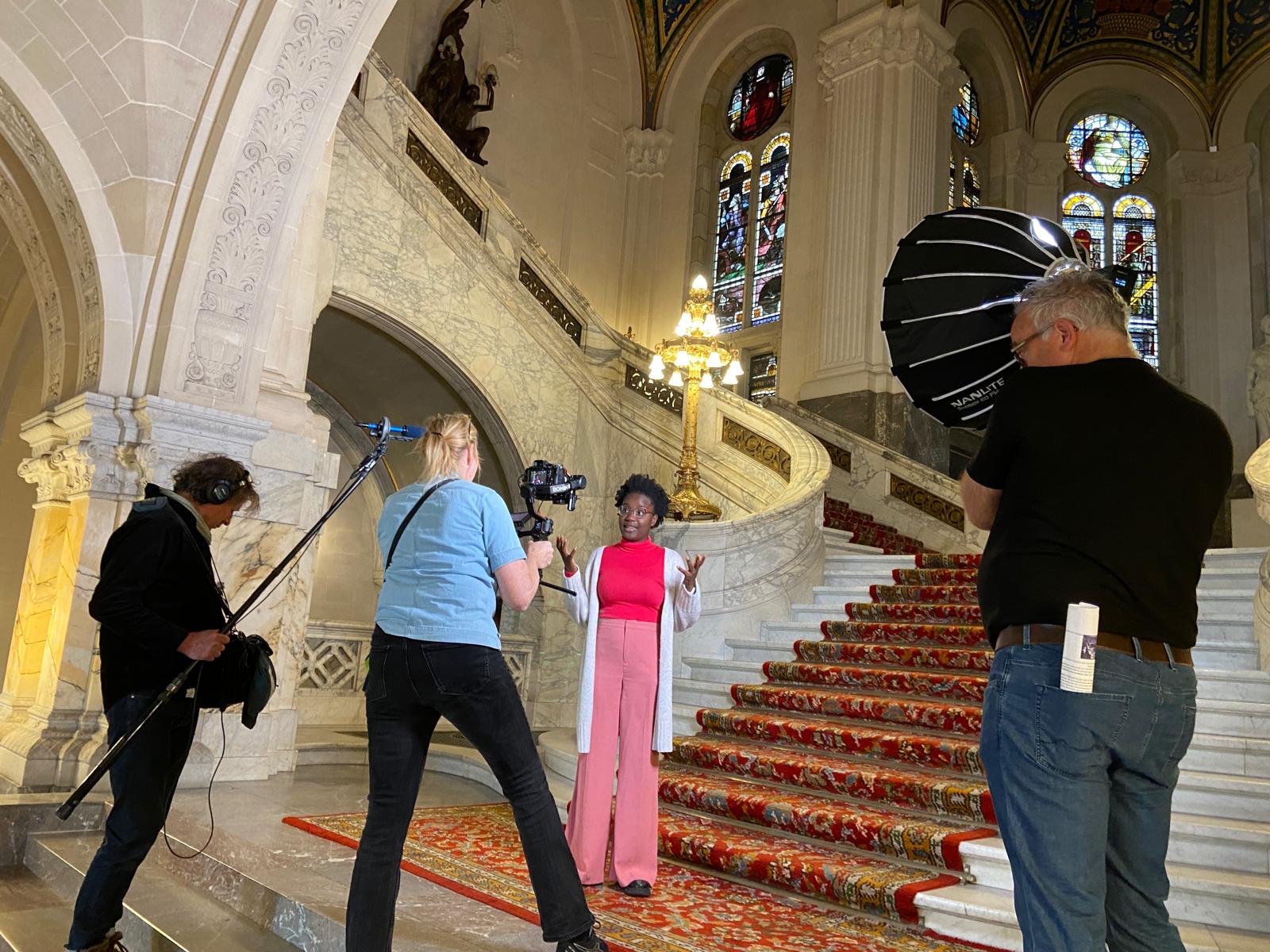
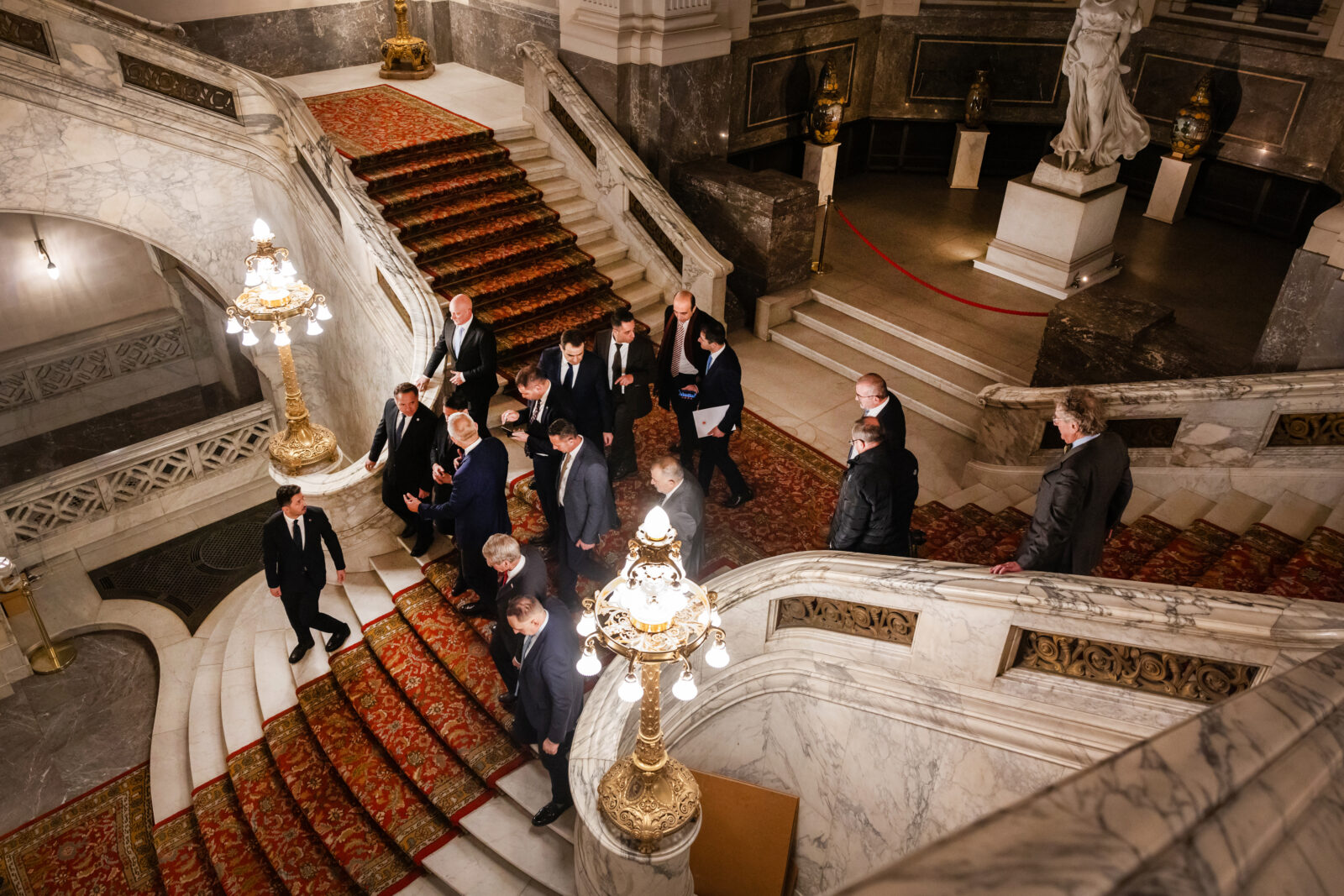
Press and Public Relations



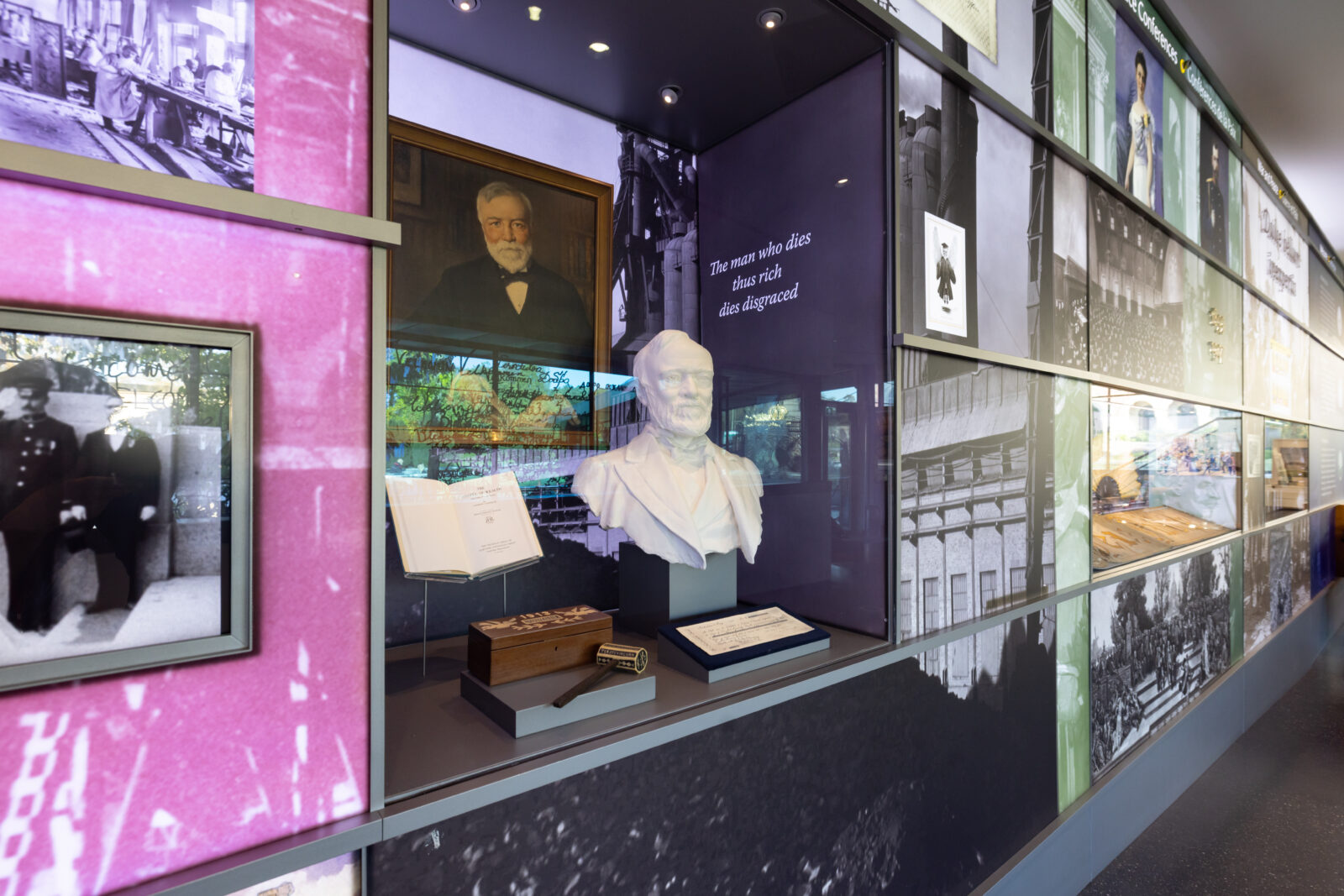
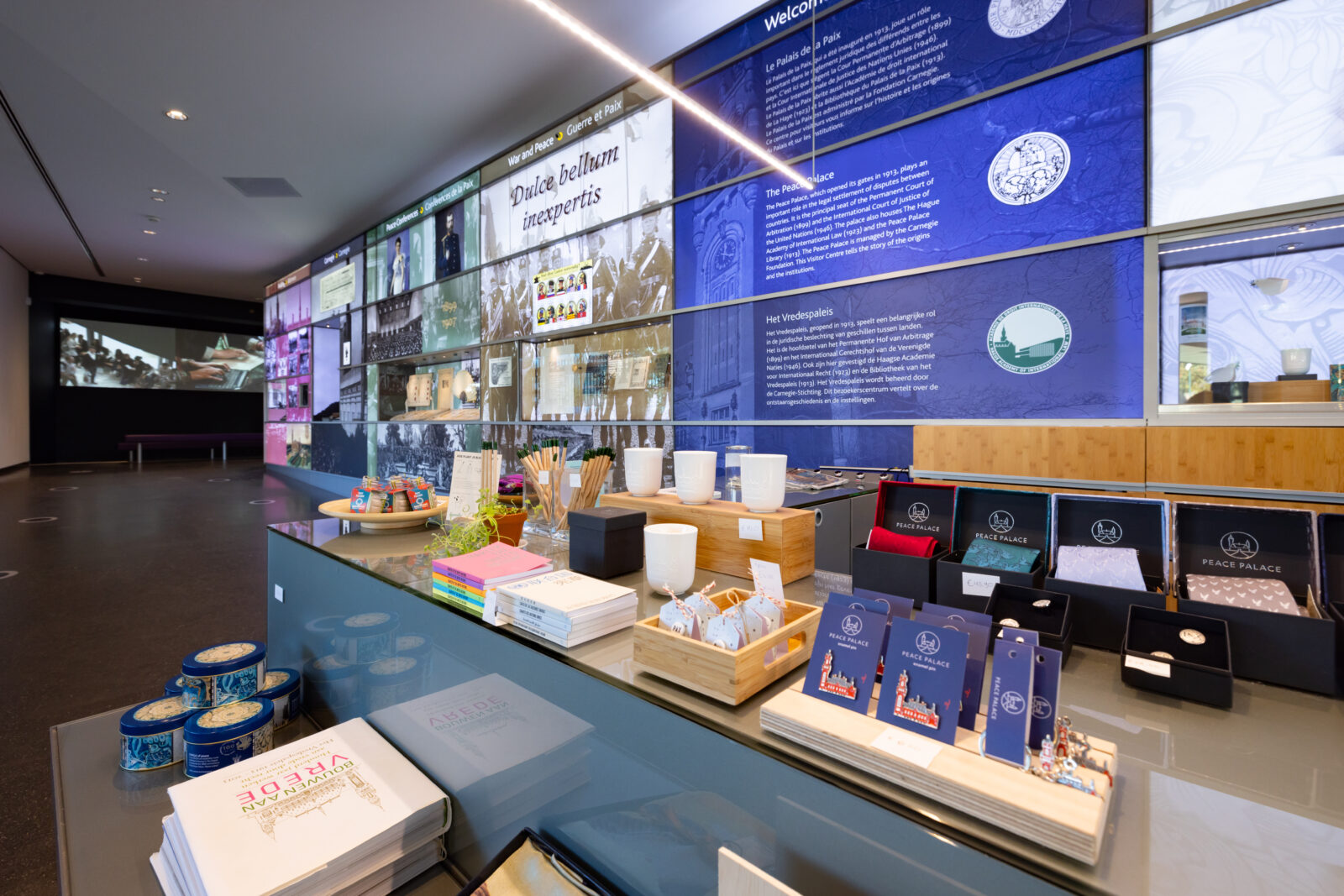
Visitors Centre





6
Events at the
Peace Palace
The Carnegie Foundation supports the work of the Courts and the Hague Academy of International Law and contributes to strengthening international law and peaceful cooperation. Throughout 2025, the Foundation facilitated and hosted a range of activities connected to cultural heritage, education and global cooperation. A small selection of the 24 events that were held at the Peace Palace in 2025 are:
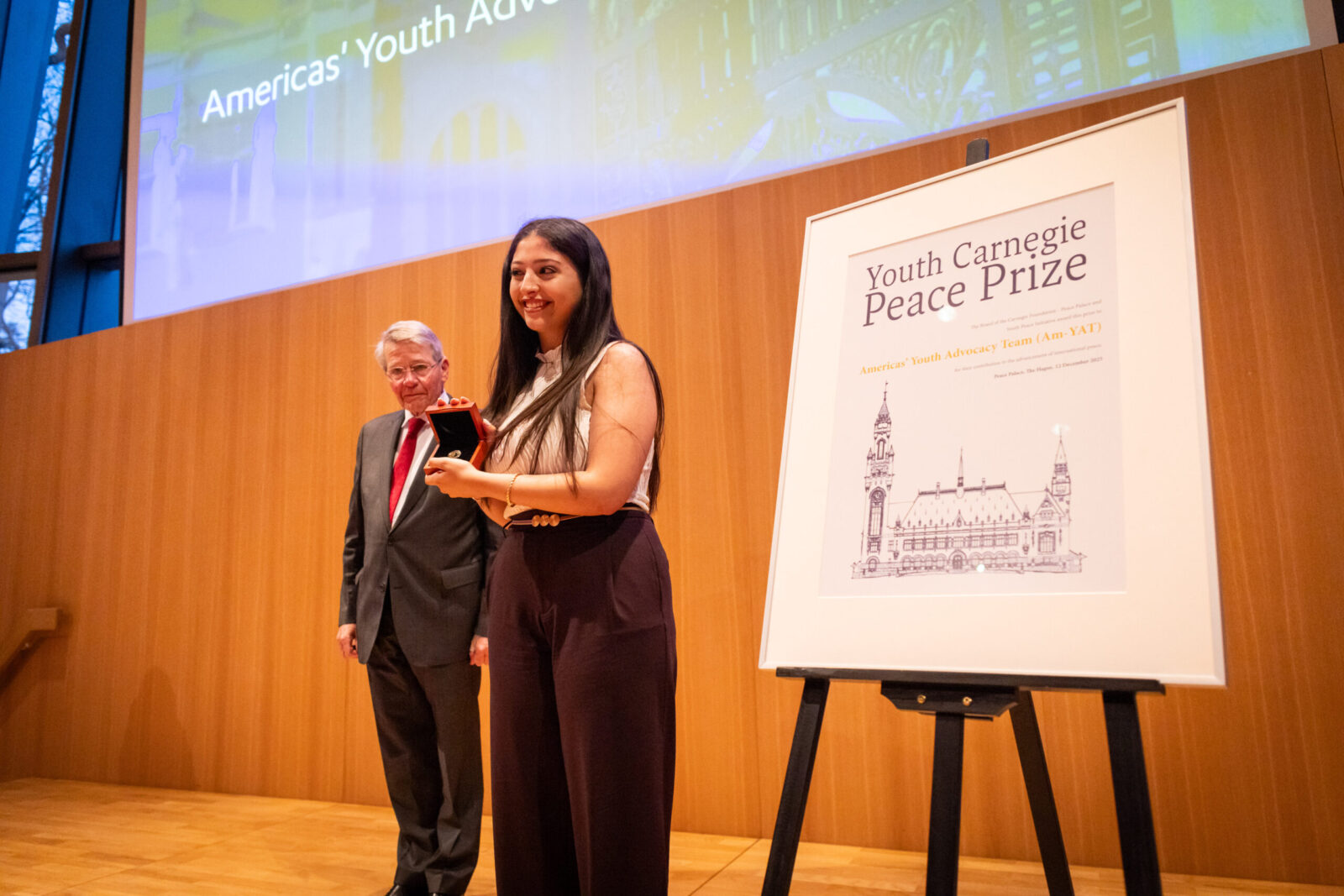

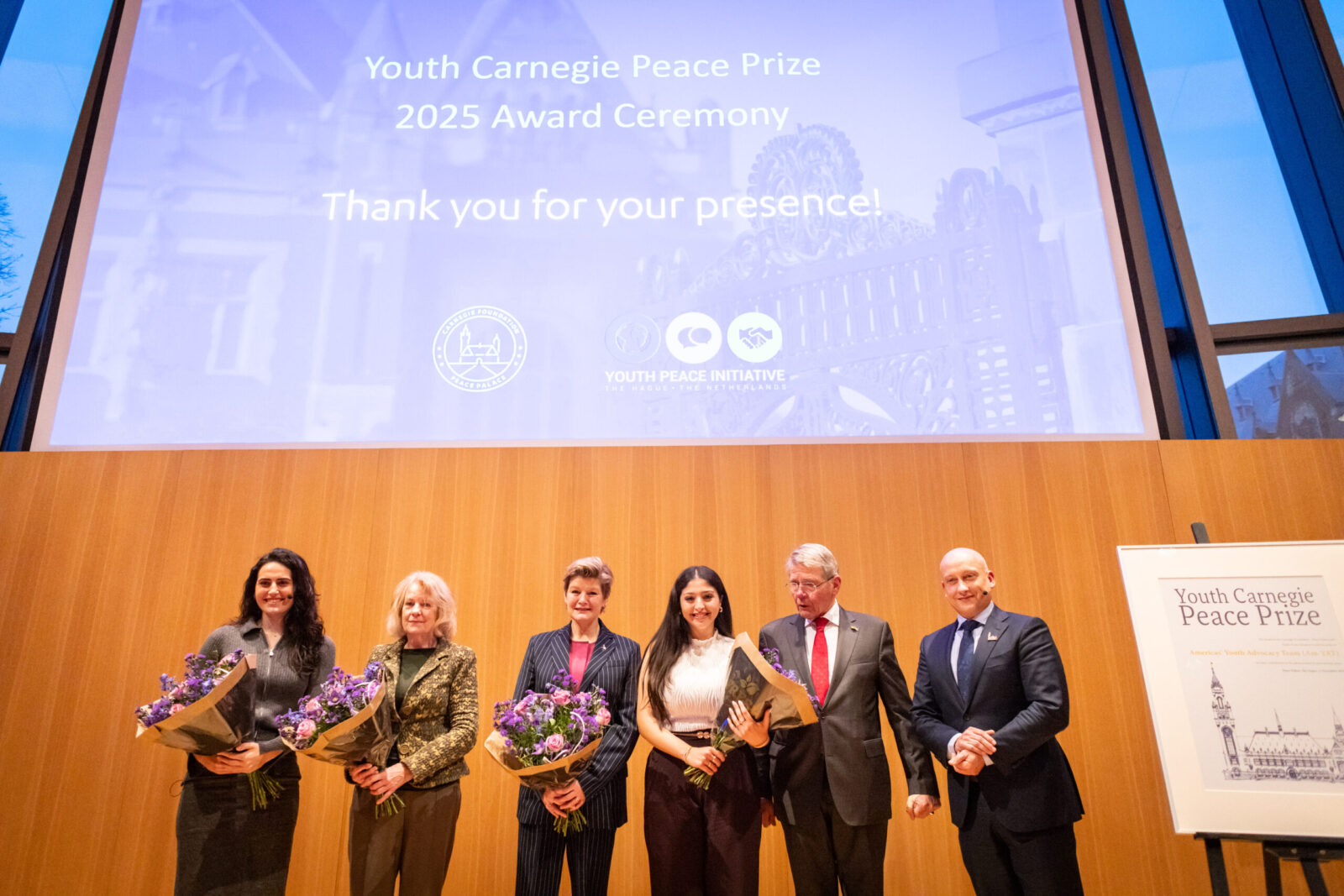
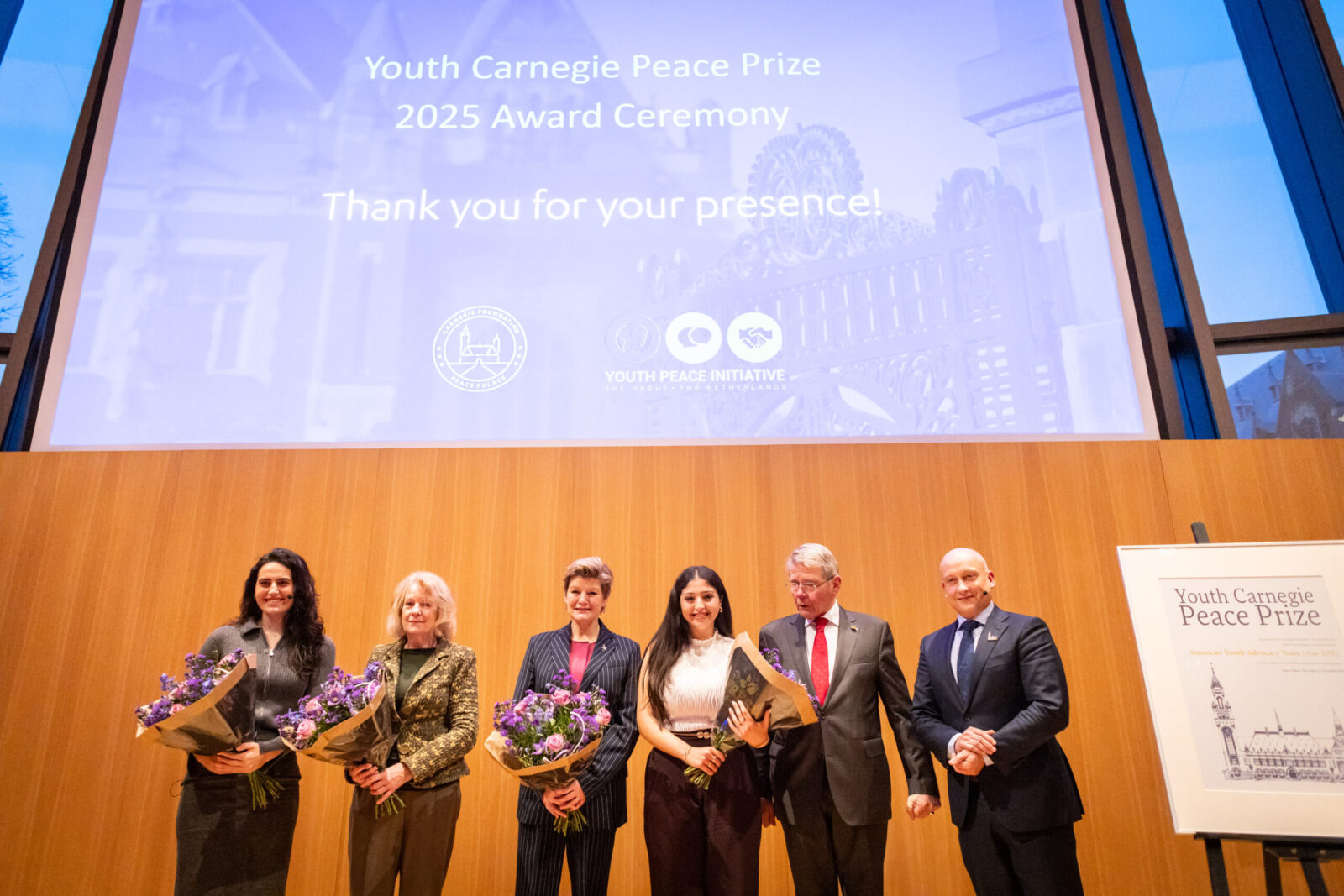
2025 Youth Carnegie Peace Prize – Americas’ Youth Advocacy Team
On 12 December 2025, the Americas Youth Advocacy Team (Am-YAT) was honoured with the Youth Carnegie Peace Prize at the Peace Palace in The Hague. The organization was recognized for its innovative approach to making peacebuilding accessible, connecting young peacebuilders across the Americas, and actively engaging policymakers to advance youth participation in peace processes.
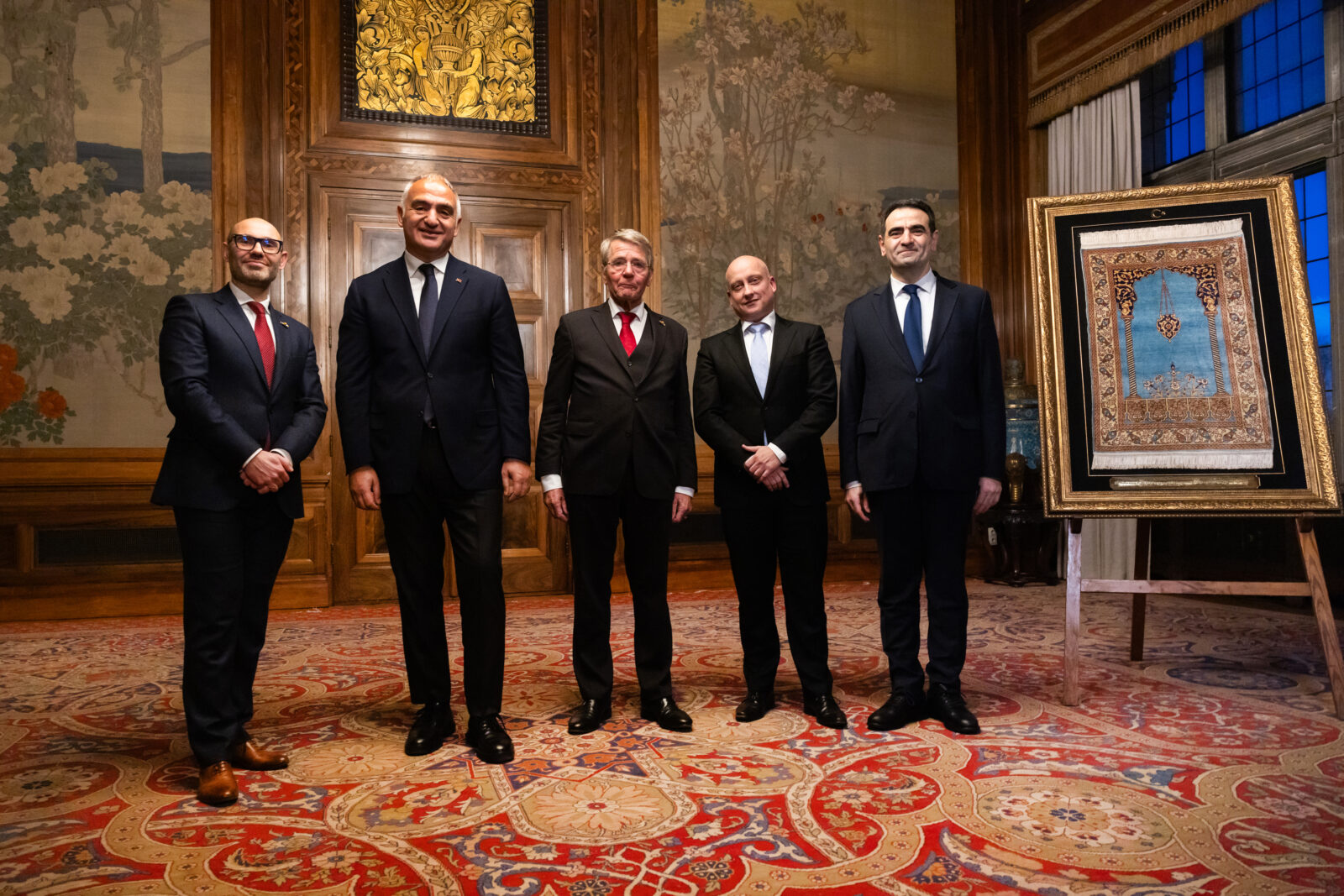

Return Ceremony of 114-year-old Hereke Carpet after Restoration in Türkiye
The Hereke carpet is an important part of the cultural heritage of the Peace Palace and following a year of restoration returned to its place in the Japanese Hall of the palace in January 2025. It was unveiled during a festive ceremony on 9 January 2025. During the ceremony, Piet Hein Donner, President of the Carnegie Foundation, H.E. Selçuk Ünal, Ambassador of the Republic of Türkiye in the Netherlands, Dr. Hab. Marcin Czepelak, Secretary-General of the Permanent Court of Arbitration, and H.E. Mehmet Nuri Ersoy, Minister of Culture and Tourism of the Republic of Türkiye, delivered short speeches.
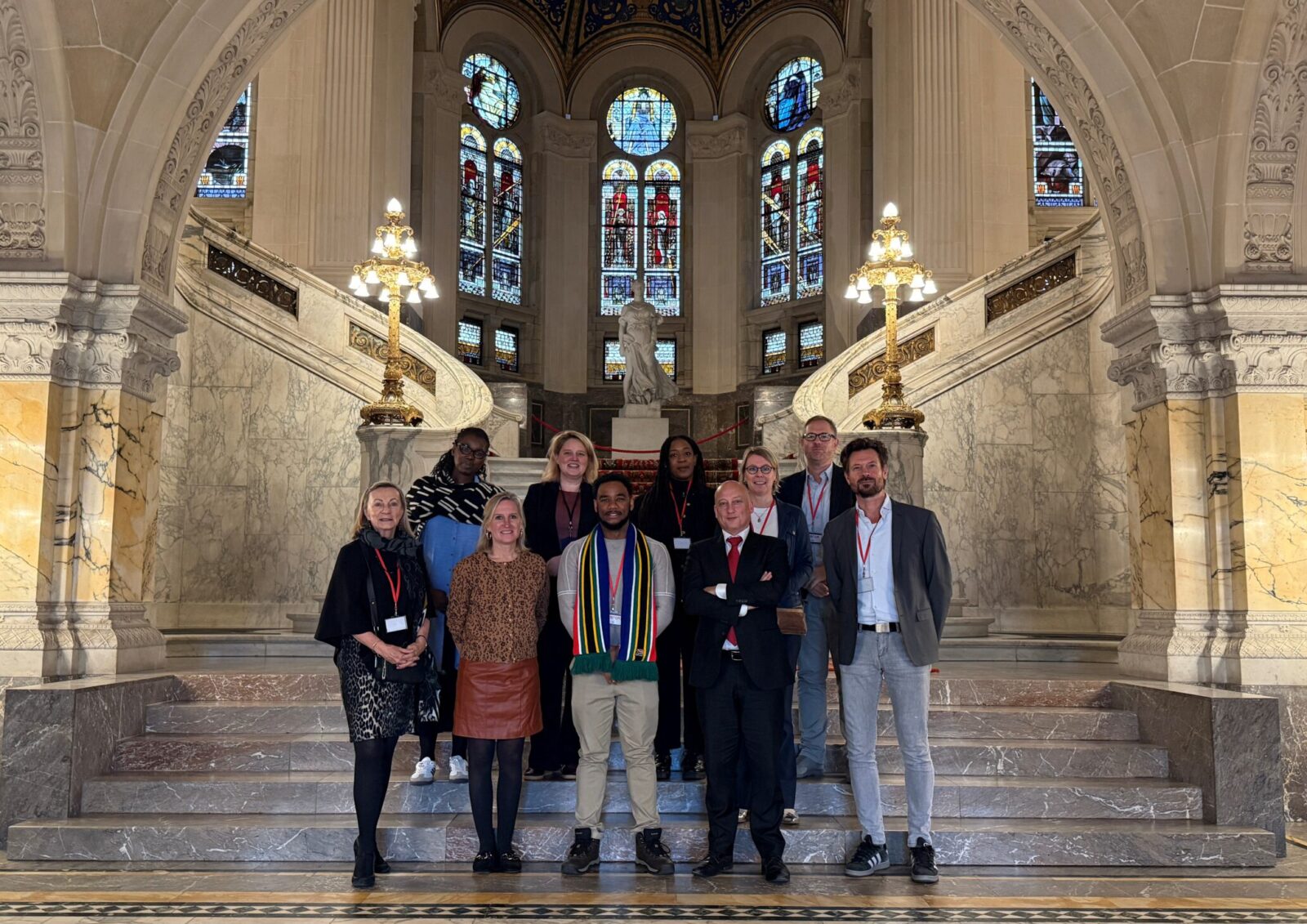

Visit from Delegation of Constitution Hill
In November 2025, the Peace Palace had the honour of welcoming a group of experts working for or with Constitution Hill in South Africa. Constitution Hill is a living museum that reflects the country’s long and complex journey towards democracy. Once a prison that held figures such as Nelson Mandela and Mahatma Gandhi, it now serves as a museum, a centre for dialogue and education, and the seat of the Constitutional Court.
The visit offered a valuable opportunity for exchange. As both Constitution Hill and the Peace Palace combine heritage, courts, collections and educational programmes, there was a strong basis for mutual learning and reflection. The programme of discussions and workshops was organised by the Cultural Heritage Agency of the Netherlands.
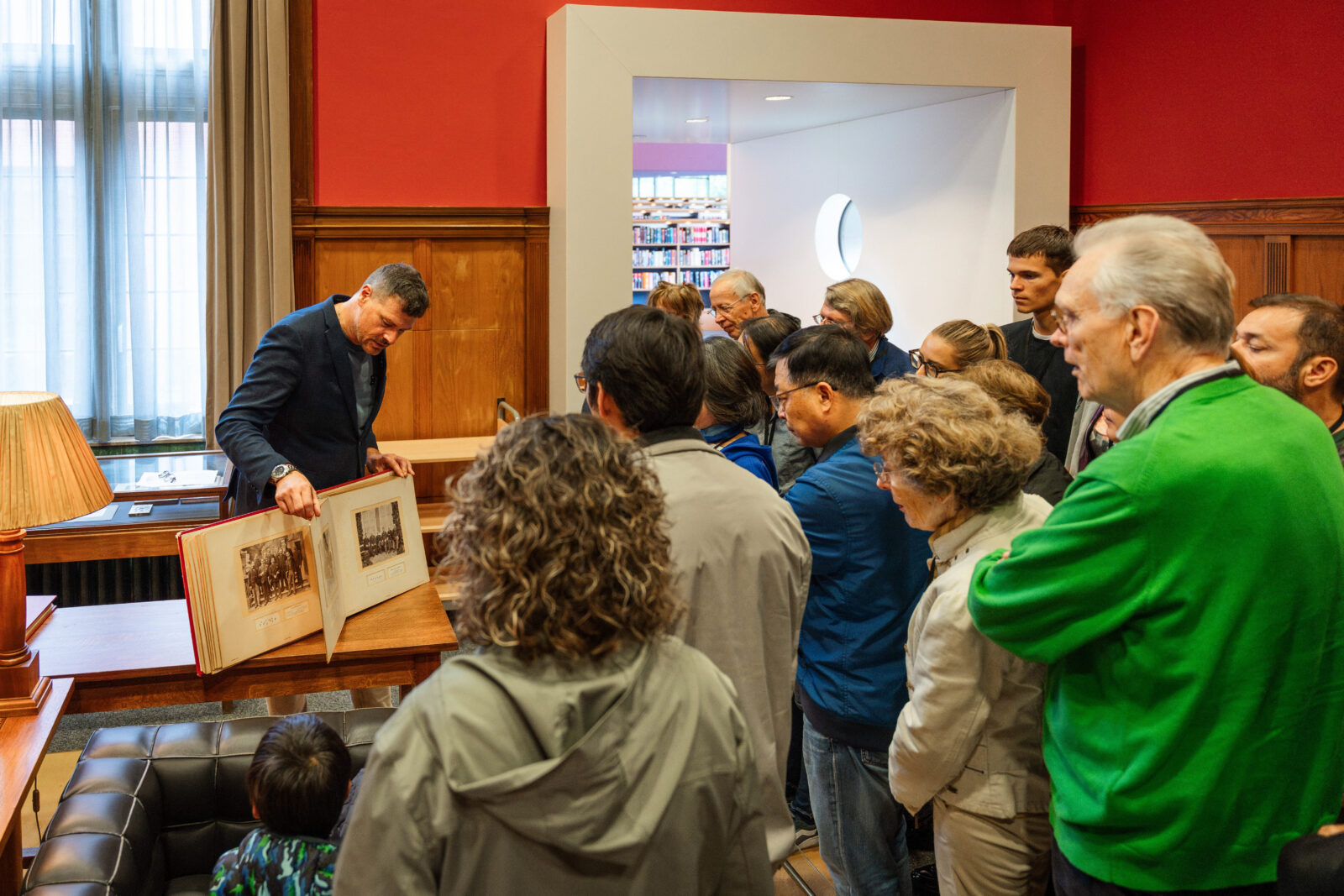

International Day of Peace
During a 75-minute program, the Permanent Court of Arbitration, the International Court of Justice, and the Carnegie Foundation, including the Peace Palace Library, presented their work and shared the rich history of this iconic landmark. The institutions of the Peace Palace welcomed more than 200 visitors on 21 September 2025.
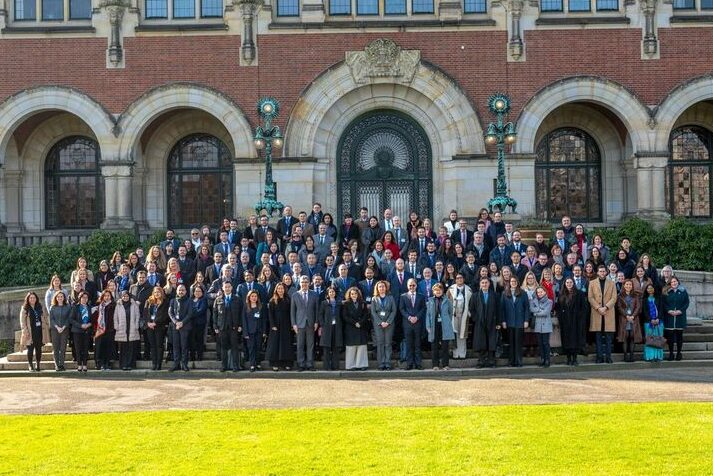

HCCH – Council on General Affairs and Policy (CGAP)
From 4 to 7 March 2025, the Council on General Affairs and Policy (CGAP) of the Hague Conference on Private International Law convened in The Hague. The meeting brought together more than 490 participants representing Member and non‑Member States, intergovernmental and non‑governmental organisations and the Permanent Bureau. CGAP adopted a wide range of Conclusions and Decisions and agreed on the establishment of several new Experts’ Groups and Working Groups, including on Digital Tokens, Carbon Markets, and post‑Convention work related to the Service, Evidence, and Access to Justice Conventions. The Council also approved the continuation of ongoing work on topics such as Parentage and Surrogacy, Jurisdiction, and Central Bank Digital Currencies, as well as endorsing the opening of a new Regional Office for Africa in Rabat, Morocco.
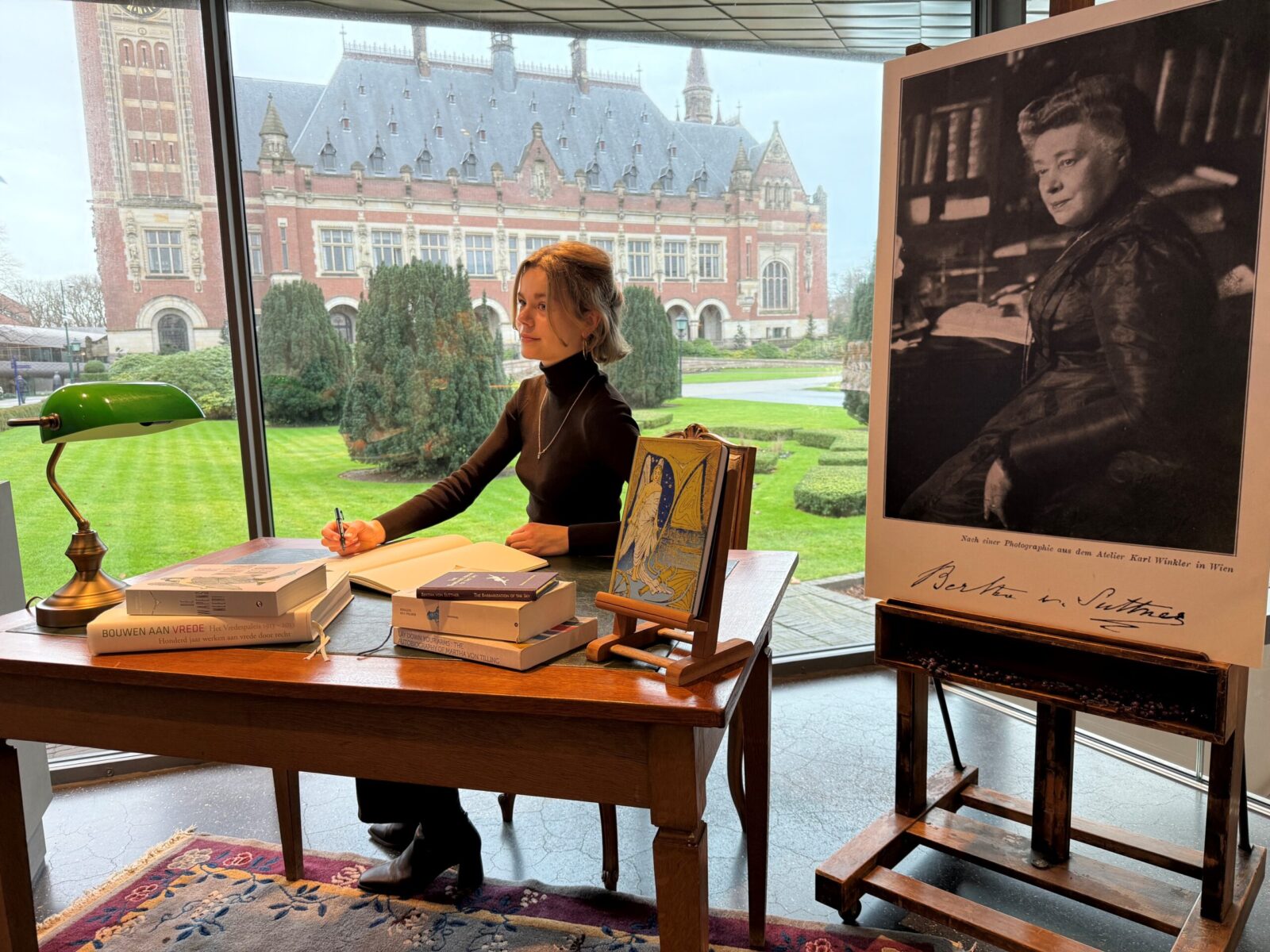

A Tribute to Bertha von Suttner
On 10 December 2025, it was exactly 120 years since Bertha von Suttner became the first woman to receive the Nobel Peace Prize. The Austrian writer and pacifist was a leading figure in the international peace movement and played an important role in the creation of the Peace Palace. In 2025, several activities took place around the Peace Palace to honour her life’s work and make it accessible to new generations.
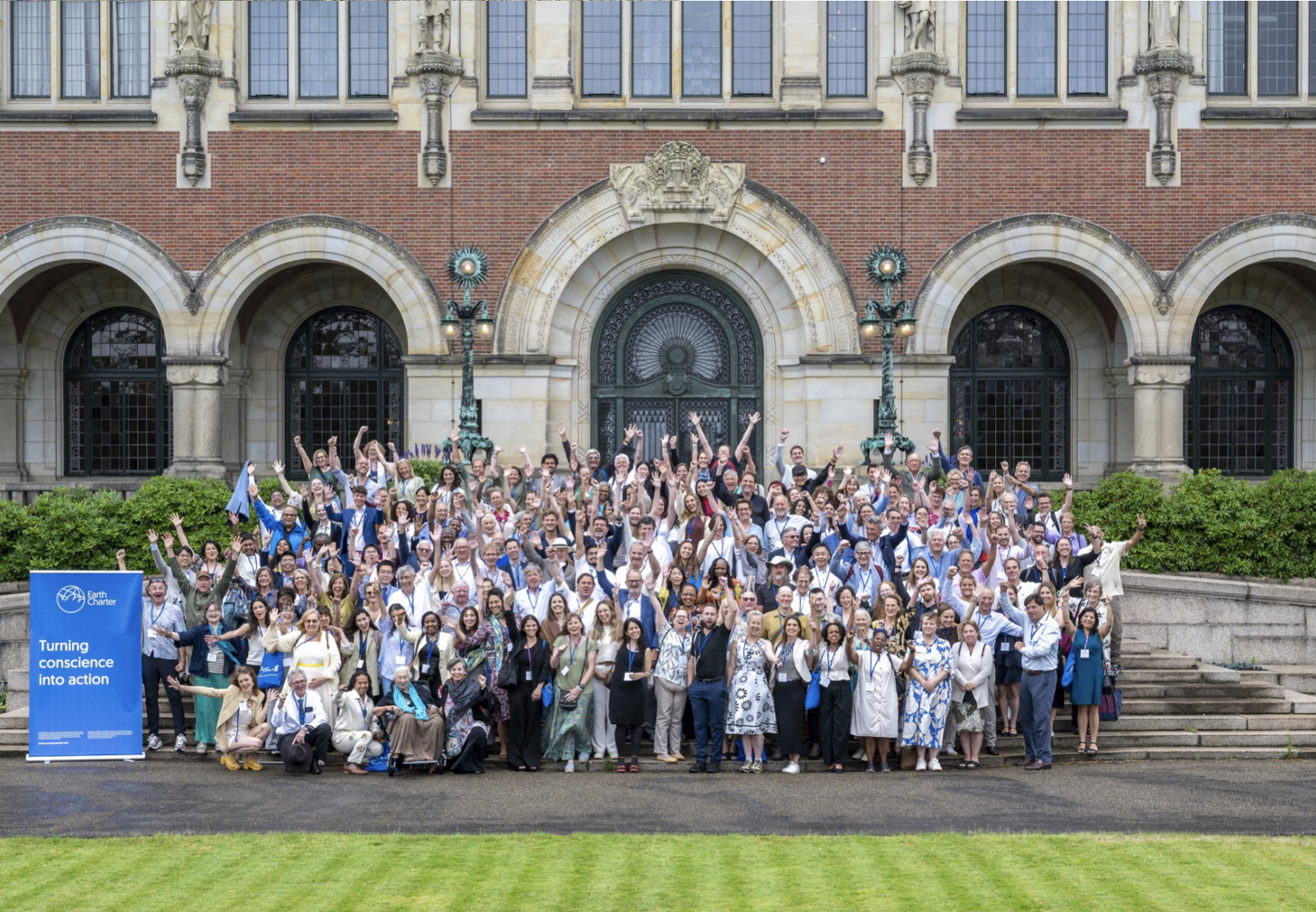

Earth Charter 25th Anniversary in The Netherlands Planetary Consciousness, Ethics of Care and Intergenerational Justice
Twenty‑five years after the Earth Charter was launched at the Peace Palace a three‑day international gathering to mark this anniversary was organised in collaboration with the Earth Charter Netherlands Committee and Earth Charter International. On 2 July 2025, he second day of the programme took place in the auditorium overlooking the Peace Palace and its gardens which offered an inspiring setting for presentations, artistic contributions and intergenerational dialogue. Artist Claudy Jongstra presented The Guernica de la Ecología, while musician FRÉ performed a piece composed especially for the anniversary. Young leaders invited to reflect on the perspectives of future generations and nature, enriched the discussions throughout the day. Several long‑standing contributors to the Earth Charter movement were recognised for their commitment.

7
Financial Overview
The Carnegie Foundation is financed via several sources. An annual contribution to cover activities is received from both the International Court of Justice and the Permanent Court of Arbitration. The Ministry of Foreign Affairs further supplements the cost of day to day maintenance, accommodation, services and library management. The Hague Academy of International Law pays fees for accommodation, for agreed services and for the provision of accommodation during its summer and winter courses. The indexation provision allows the budget to be adjusted annually.
The Carnegie Foundation is financed via several sources. An annual contribution to support its activities is received from both the International Court of Justice and the Permanent Court of Arbitration. In addition, the Ministry of Foreign Affairs contributes towards the costs of day-to-day maintenance, accommodation, services and library management. The Hague Academy of International Law pays fees for accommodation, agreed services and the use of facilities during its summer and winter courses. The indexation provision allows the budget to be adjusted annually.
The subsidy for the period 2023–2027 excludes the cost of the multi-year maintenance plan. In 2025, the Ministry of Foreign Affairs formally approved the multi-year maintenance programme and the associated funding for the period up to and including 2027.
In 2025, preparations were initiated to future-proof the Peace Palace and ensure its long-term sustainability, functionality, and preservation. These preparatory activities focused on developing plans and identifying the investments required to safeguard the building and its operations for future generations. To support this important initiative, an additional grant providing the necessary resources was awarded by the Ministry of Foreign Affairs at the end of 2025.
In 2025, the Carnegie Foundation operated within its approved budget. Although accommodation-related expenses exceeded budget due to investments in functional improvements to the Peace Palace, security measures, and additional garden maintenance, these costs were partly offset by lower cleaning expenses and reduced personnel costs. Furthermore, contributions from third parties were higher than anticipated, largely due to increased interest income on advance funds received and effective cash flow management. Overall, 2025 closed with a positive result, further strengthening the foundation’s financial position.
Profit & Loss 2025
| Amounts x €1.000 | Actuals 2025 | Budget 2025 | Actuals 2024 |
|---|---|---|---|
| Accommodation | 1.972 | 1.557 | 1.469 |
| Provision of services | 3.269 | 3.400 | 3.074 |
| Library | 2.779 | 2.796 | 2.872 |
| Organisational expenses | 1.794 | 1.755 | 1.650 |
| Total general activities | 9.814 | 9.508 | 9.064 |
| Contributions third parties | 2.618 | 2.395 | 2.626 |
| Contribution Ministry | 7.227 | 7.227 | 6.849 |
| Total external activities | 9.845 | 9.622 | 9.475 |
| Result | 31 | 114 | 411 |


Outlook
You have just read about the projects that were completed or prepared in 2025. I can assure you that, in the meantime, many new initiatives and activities have been launched to help ensure the Peace Palace remains fit for the future.
The Peace Palace has not undergone a major renovation since its opening in 1913. To create additional space for the growing workload of the international courts, modernise technical installations, improve sustainability and enhance accessibility, we are currently exploring the possibilities for a large-scale renovation together with a team of experts and the institutions housed at the Peace Palace.
At the same time, several projects that were carefully prepared in 2025 have already moved into the implementation phase. After years of preparation, work has begun on the removal of asbestos located in the palace attic. This complex operation is only possible thanks to the close cooperation of the institutions housed in the palace, the flexibility of external partners and the support of the Dutch Ministry of Foreign Affairs.
In addition, we have launched a comprehensive sustainability programme. By promoting the responsible use of resources, sustainable operations and the long-term preservation of our historic building, we are ensuring that the Peace Palace remains resilient for future generations. This commitment to sustainability complements our broader mission: preserving a unique monument while enabling the institutions within it to continue their important work.
While looking ahead is essential, it is equally important to take a moment to reflect on the past. After all, our aim is not to rewrite history or rebuild the palace, but to build upon the foundations laid by previous generations. As our Chairman noted in his editorial: “Preserving the past while preparing for the future.”
With that philosophy in mind, two rooms within the palace have been restored to their original function as meeting rooms, complete with historic furnishings. We are also converting former staff apartments into new office spaces to meet current needs. In addition, artworks throughout the palace are regularly restored and conserved. Recently, for example, we welcomed a delegation of textile experts from Japan to exchange knowledge on the conservation of the palace’s unique Japanese wall coverings.
At the same time, our Visitors Centre is preparing new exhibitions and work continues on the development of a new website that will enable us to share even more information, stories and insights about the Peace Palace with audiences around the world.
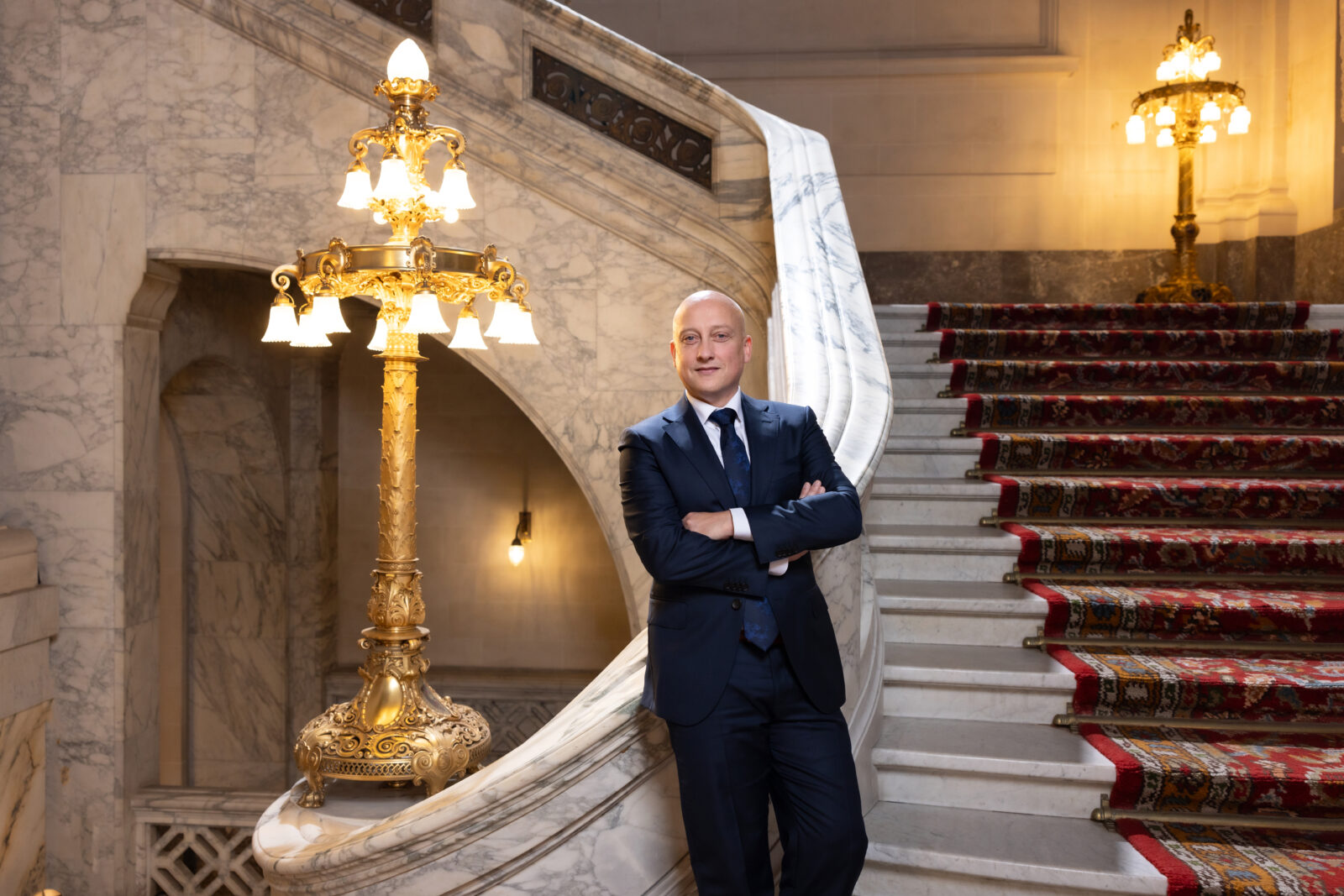
Managing all these activities simultaneously – within an international diplomatic environment, a historic monument and according to the highest professional standards – requires an exceptional team. I am therefore delighted to welcome our new board members, Diederik Dam and Carla Sieburgh, and to recognise the many colleagues who work behind the scenes every day to make these achievements possible.
As Andrew Carnegie once said:
“Teamwork is the ability to work together toward a common vision. The ability to direct individual accomplishments toward organisational objectives. It is the fuel that allows common people to attain uncommon results.”
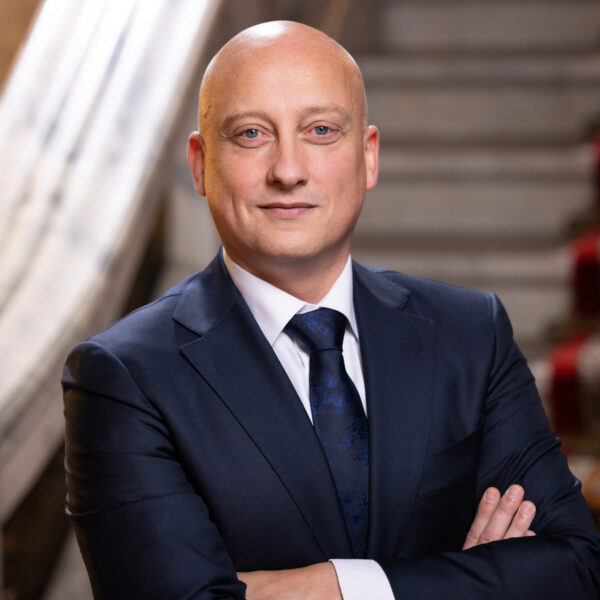
Iljan van Hardevelt
Director Carnegie Foundation – Peace Palace


Imprint
Address and Contact Details
Carnegie Foundation – Peace Palace
Carnegieplein 2
2517 KJ The Hague
+31 70 302 42 42
reception@peacepalace.org
Photos
Margareta Svensson | Kim Vermaat
Michiel Langeveld | Maarten van Haaff | Peter Valckx
Thanks to
International Court of Justice
Permanent Court of Arbitration
The Hague Academy of International Law
The Carnegie Foundation is very grateful for the support of its partners: